The Island of Ireland 2025
Our visit to Ireland was a special experience for its incredible lush landscapes, deep-rooted history, visiting ancient sites and incredible views. The Republic of Ireland (an independent nation) and Northern Ireland (part of the UK) are together known as the island of Ireland. Divided since 1921 (following The Irish War of Independence), they exist as two separate jurisdictions but are geographically and historically linked, and we visited both.
Our first stop was to visit the capital of the Republic of Ireland, Dublin. We took a walking tour of the city and learned about the city’s history dating back to the 9th century while viewing the predominately red brick Georgian architecture. We visited Trinity College (Founded 1592) and viewed the 9th century masterpiece Book of Kells, Long Room Library and the campus courtyards. Other sites include, National Museum of Ireland, Dublin Castle, St. Patrick’s Cathedral and the Guinness Beer Company.
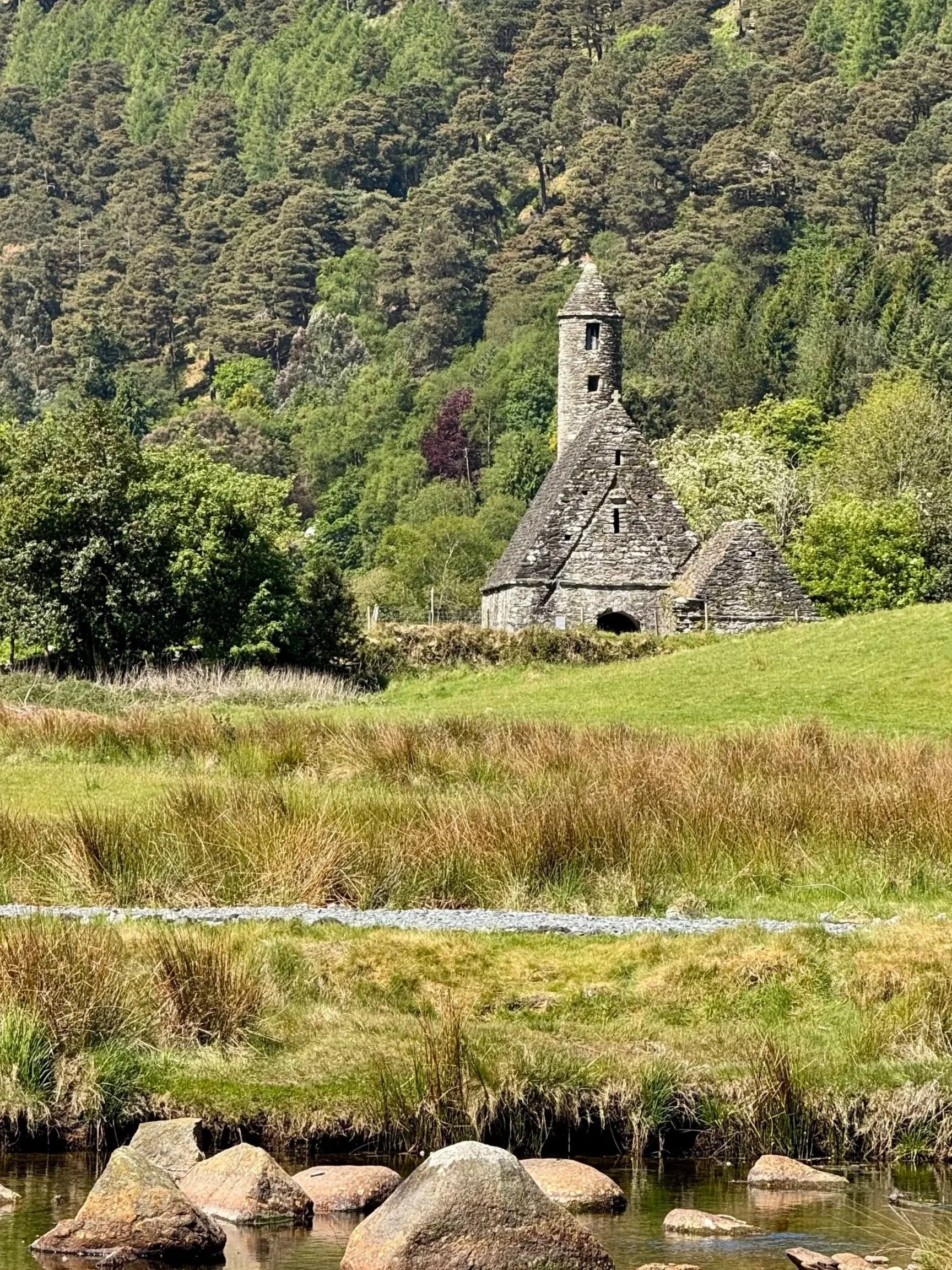
After leaving Dublin we started the driving portion of our trip and visited Glendalough for a short hike and a visit to the famous 6th century monastic settlement with a preserved 30-meter round tower set in a beautiful valley with twin lakes. After Glendalough, we took a drive to the southwestern side of Ireland and visited multiple medieval castles, Abbey’s and national parks, which included the Kilkenny Castle and Abbey, Rock of Cashel, Killarney National Park, Ross Castle and Muck Ross Abbey.
Our next adventure was driving the Ring of Kerry. This 178 km drive mostly follows the dramatic coastline with spectacular ocean and cliff views. The drive is made a little more exciting with blind turns on single lane roads with trucks and cars approaching…but what amazing views! From the Ring of Kerry, we drove on to Newcastle and Adare, then arrived at one of Ireland’s highlights to view the Cliff’s of Moher. These dramatic cliffs are massive, and photos hardly capture them. The cliffs span approximately 9 miles and height ranges from about 400 feet to over 700 feet! After the cliffs, we continued through The Burren National Park, Galway and on to visit Sligo Abbey and Lough Eske Castle.
Our drive now entered the northern part of Ireland. The natural beauty of the north was impressive, and medieval castles were amazing as well. The areas we visited included: Slive League Peninsula, Glenveagh National Park, Horn Head, Fanad Head, Donegal and Doe Castle. As we turned east, we ultimately entered Northern Ireland and our first stop in Derry/Londonderry.
One of our desires while visiting Ireland and in particular, Northern Ireland, was to better understand the issues and situation known as “The Troubles” (also known as the Northern Ireland Conflict internationally). This was from the late 1960’s till the late 1990’s. While in Derry (Londonderry), we had a walking tour with a local who not only was in Derry during this time but also knew many of the young men killed during this period. His explanation and tour helped us gain a much clearer understanding of the underlying causes.
“The Troubles” refers to the conflict which involved deep political and national identity divisions between two main groups: Unionists (mostly Protestant), who wanted Northern Ireland to remain part of the United Kingdom, and Nationalists (mostly, Catholic) who sought unification with the Republic of Ireland. What began as a civil rights movement protesting discrimination against Catholics, escalated into widespread violence with organizations such as the Irish Republican Army (IRA), along with British Security forces, were all involved. Efforts to end the violence ultimately concluded with a peace deal of power and political sharing known as the Good Friday Agreement.
After our time touring the city, we visited the spectacular Giant’s Causeways and Dunluce Castle. The Giant’s Causeways is named after Irish mythology, which claims the roughly 40,000 hexagonal basalt columns were built by the giant Finn McCool as a bridge to Scotland to fight his rival. On our final day, we spent time in Belfast and visited the museum Titanic Belfast. This is the actual location where the Titanic was designed, built and launched.
Driving back down to Dublin for our departure, we stopped for two last interesting sights. The first was Monasterboice High Crosses, which was an early Christian settlement founded in the 5th century. And the second was, Brú na Bóinne, which is famous for the prehistoric passage tombs built circa 3200BC. We were able to see the massive mounds from both outside and inside the passageway to view the megalithic art and astronomical alignments for winter solstice and equinoxes.
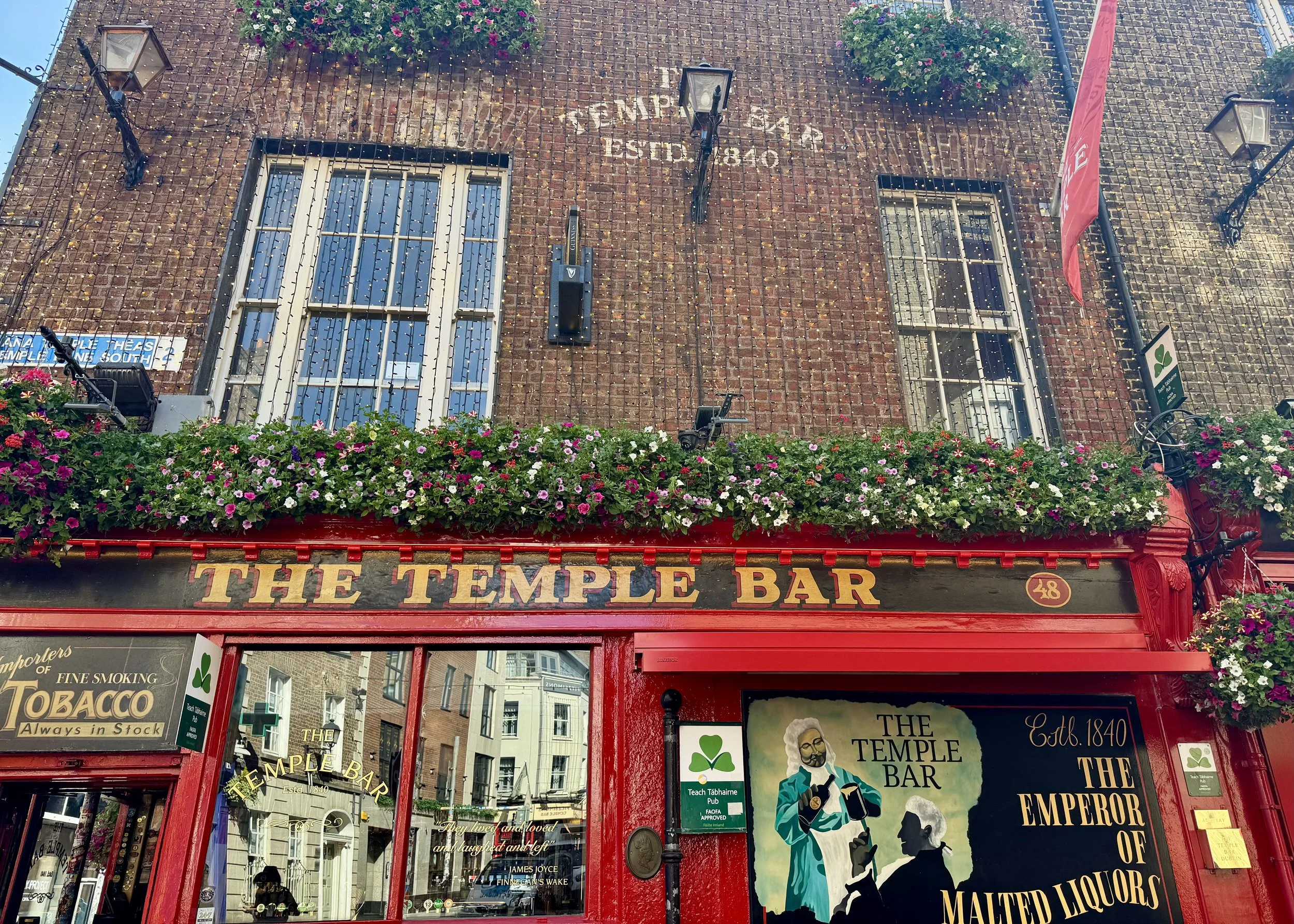
The Temple Bar - Iconic pub in Dublin
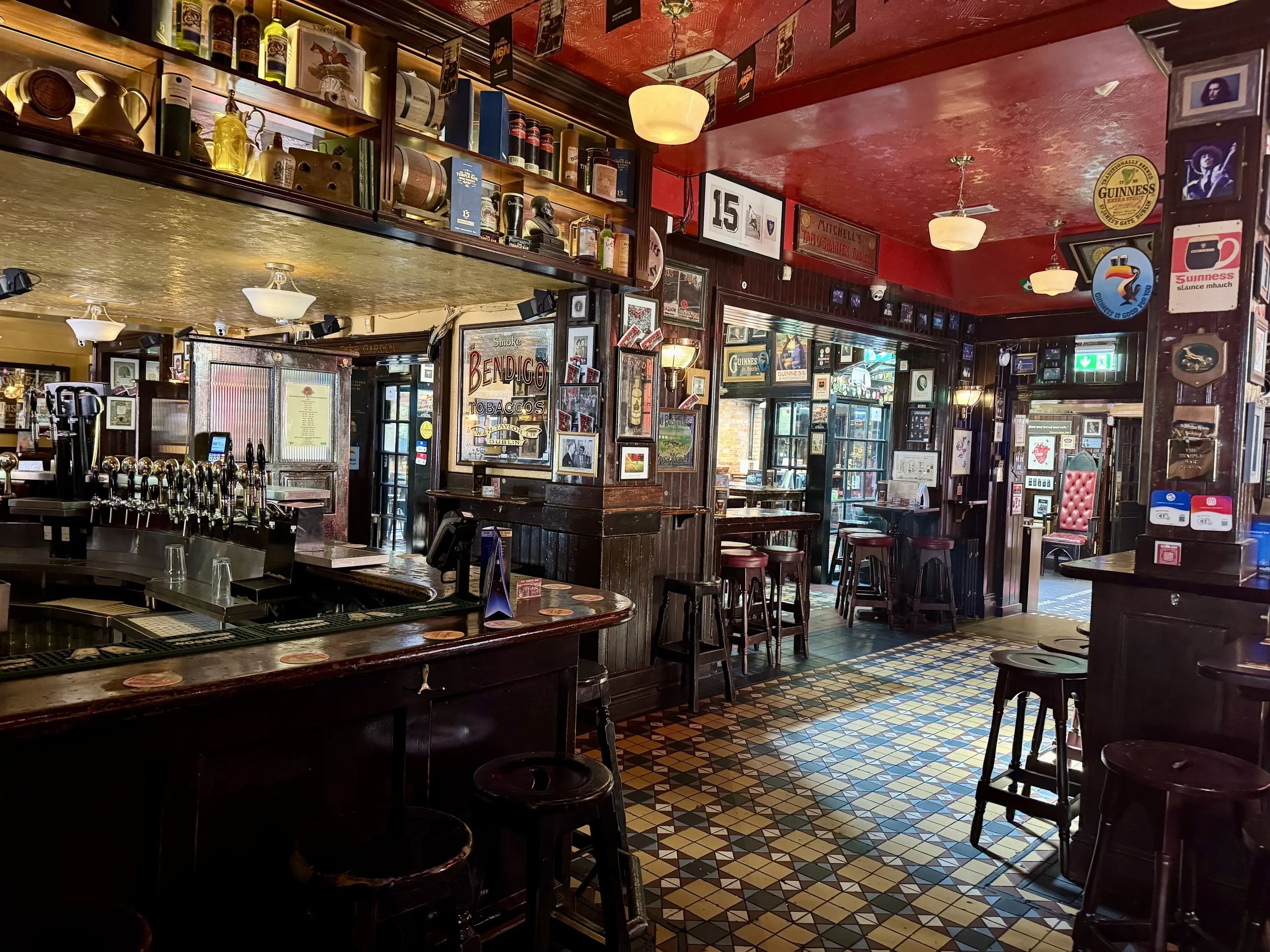
The Temple Bar
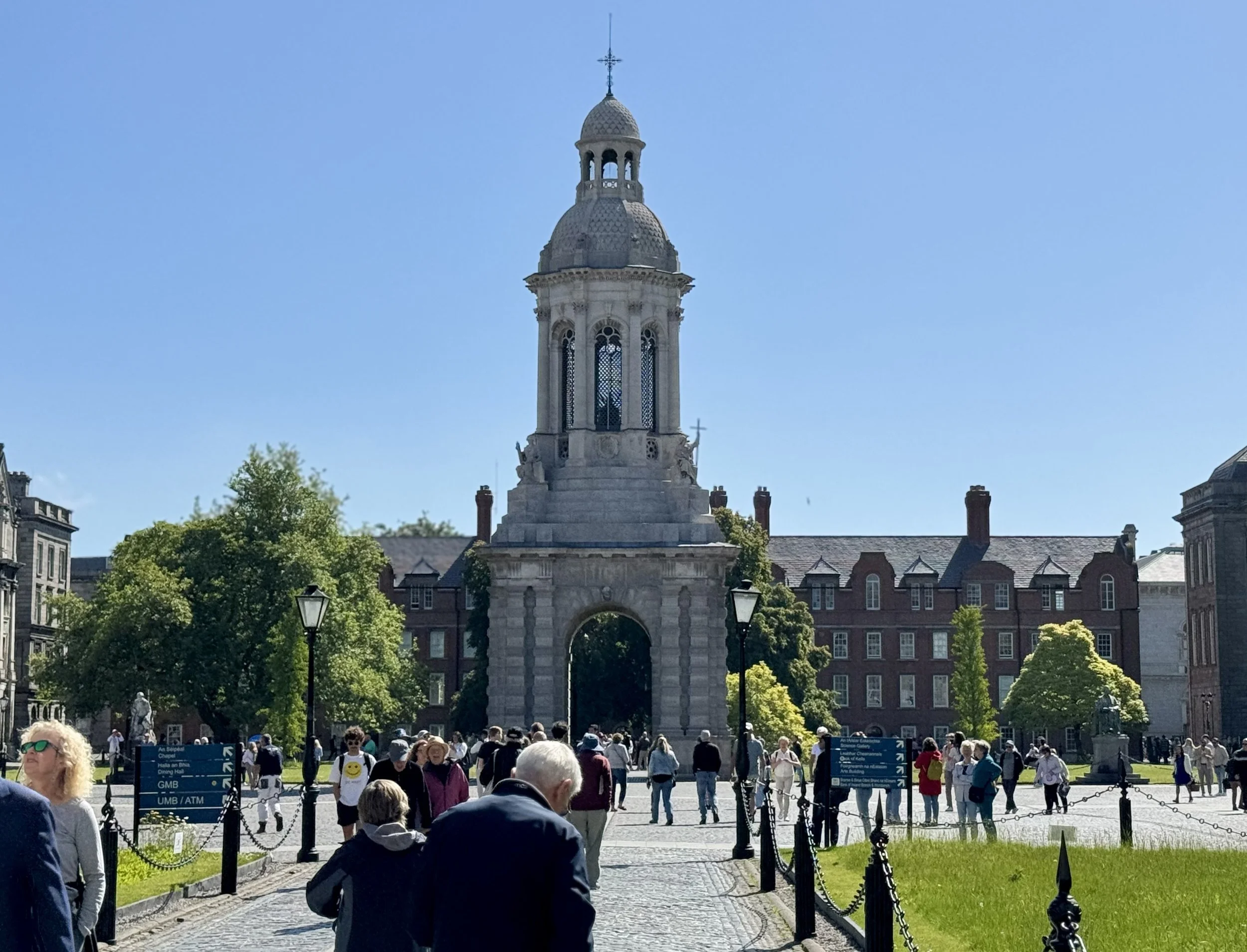
Trinity College - Founded by Queen Elizabeth I in 1592
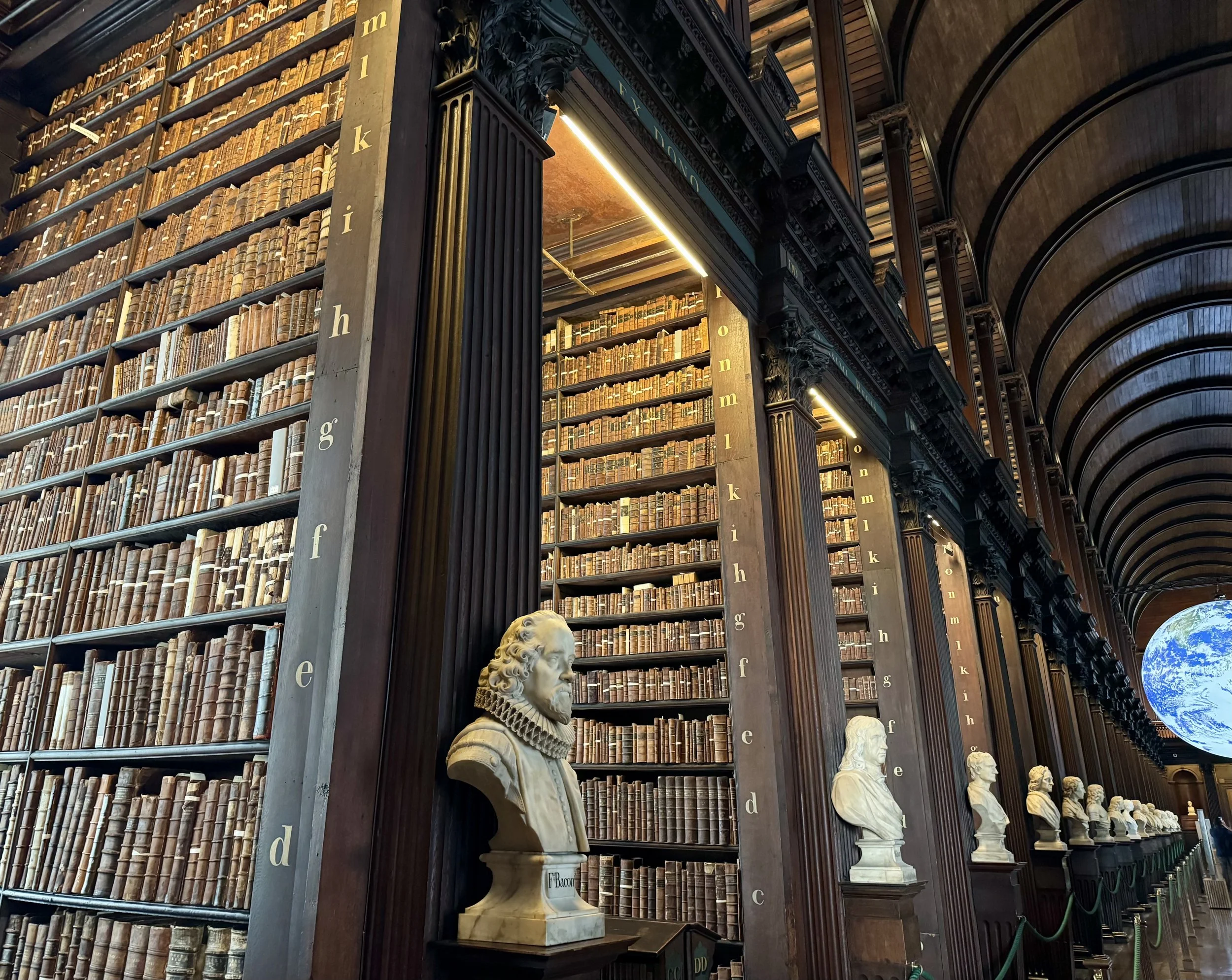
The Trinity College Library is known for keeping the Book of Kells
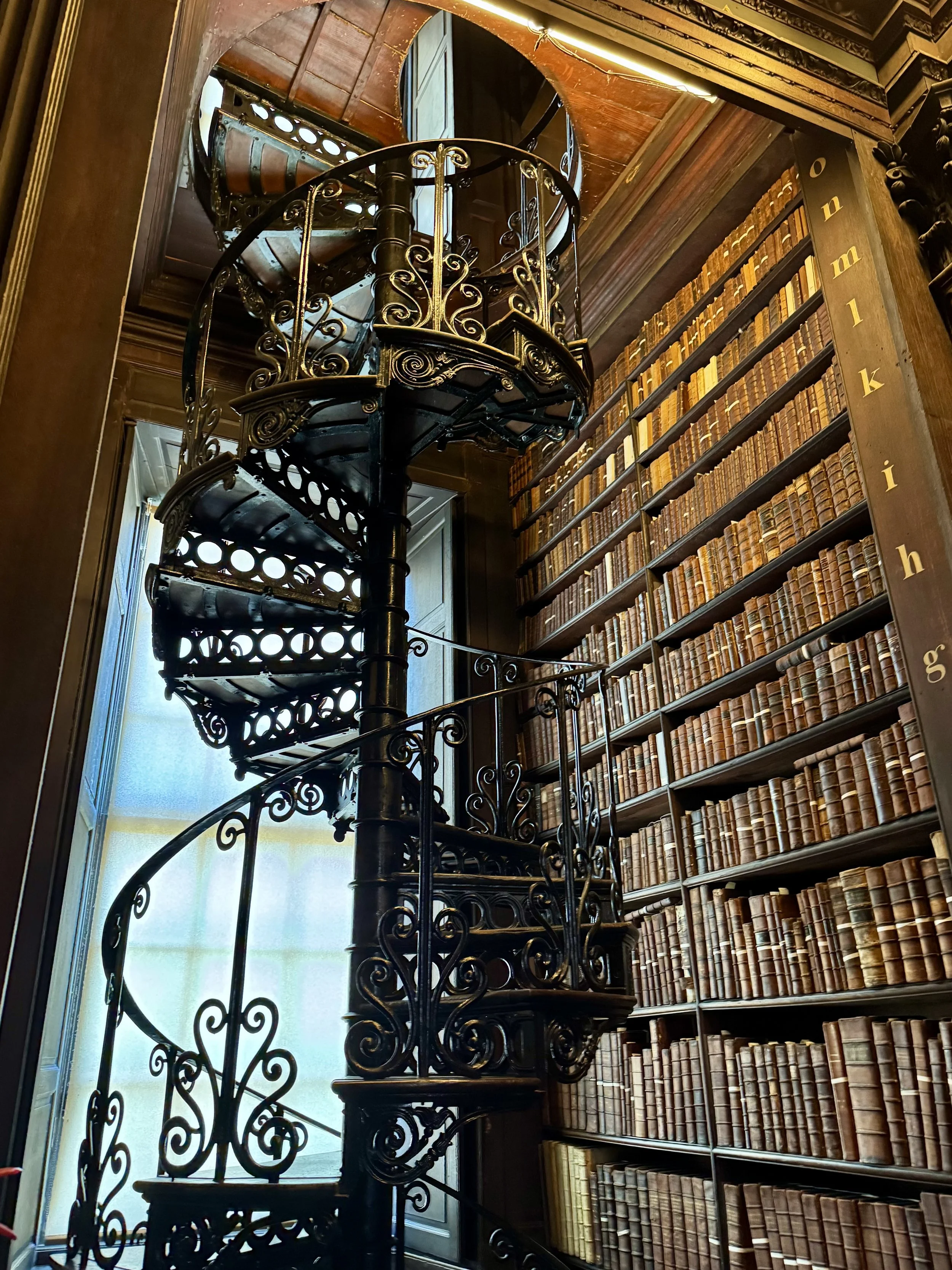
The Trinity College Library
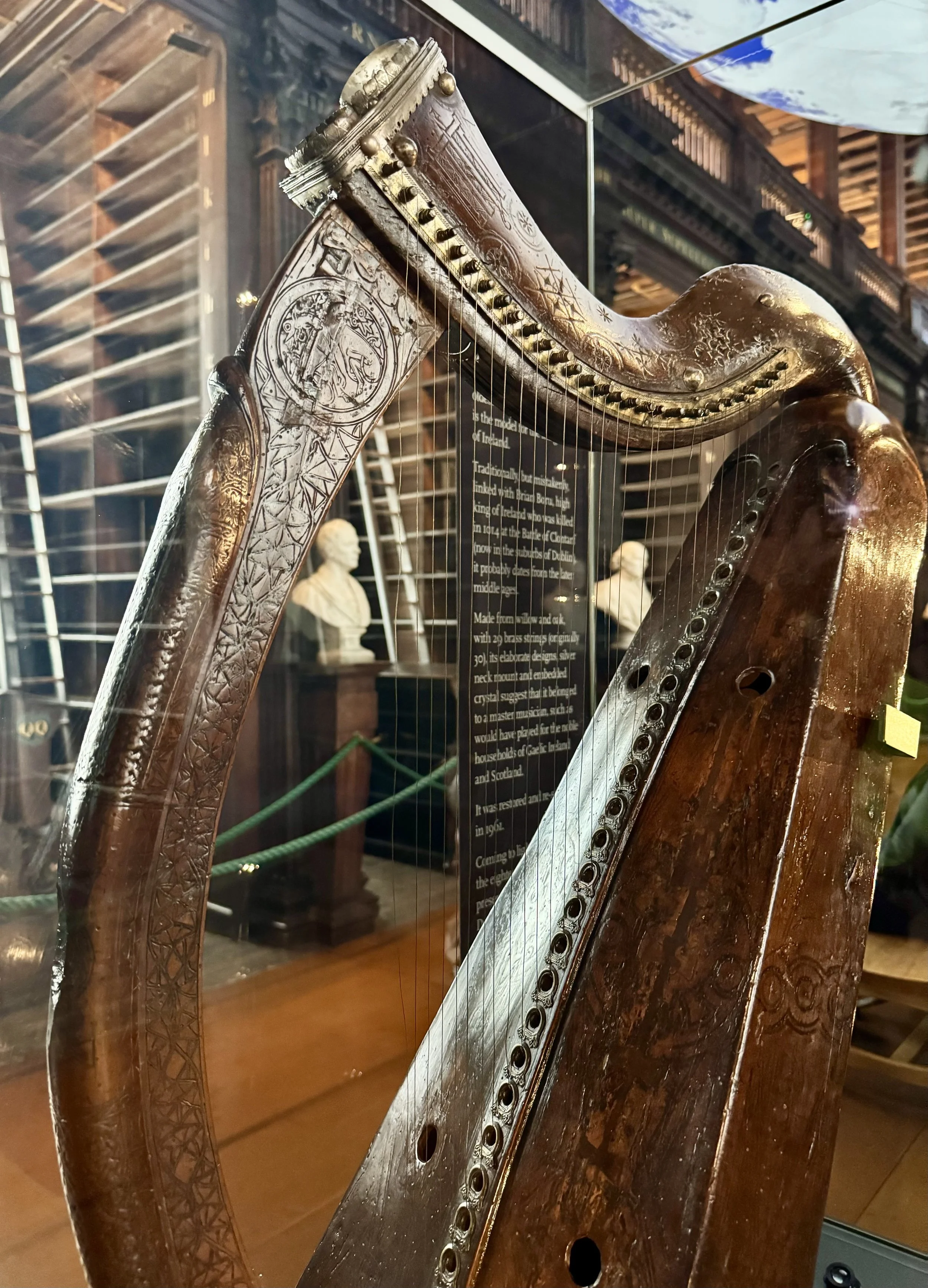
Brian Boru harp is the oldest harp in Ireland and in 1922 was adopted as the official symbol of the Irish government - Located at Trinity College Library
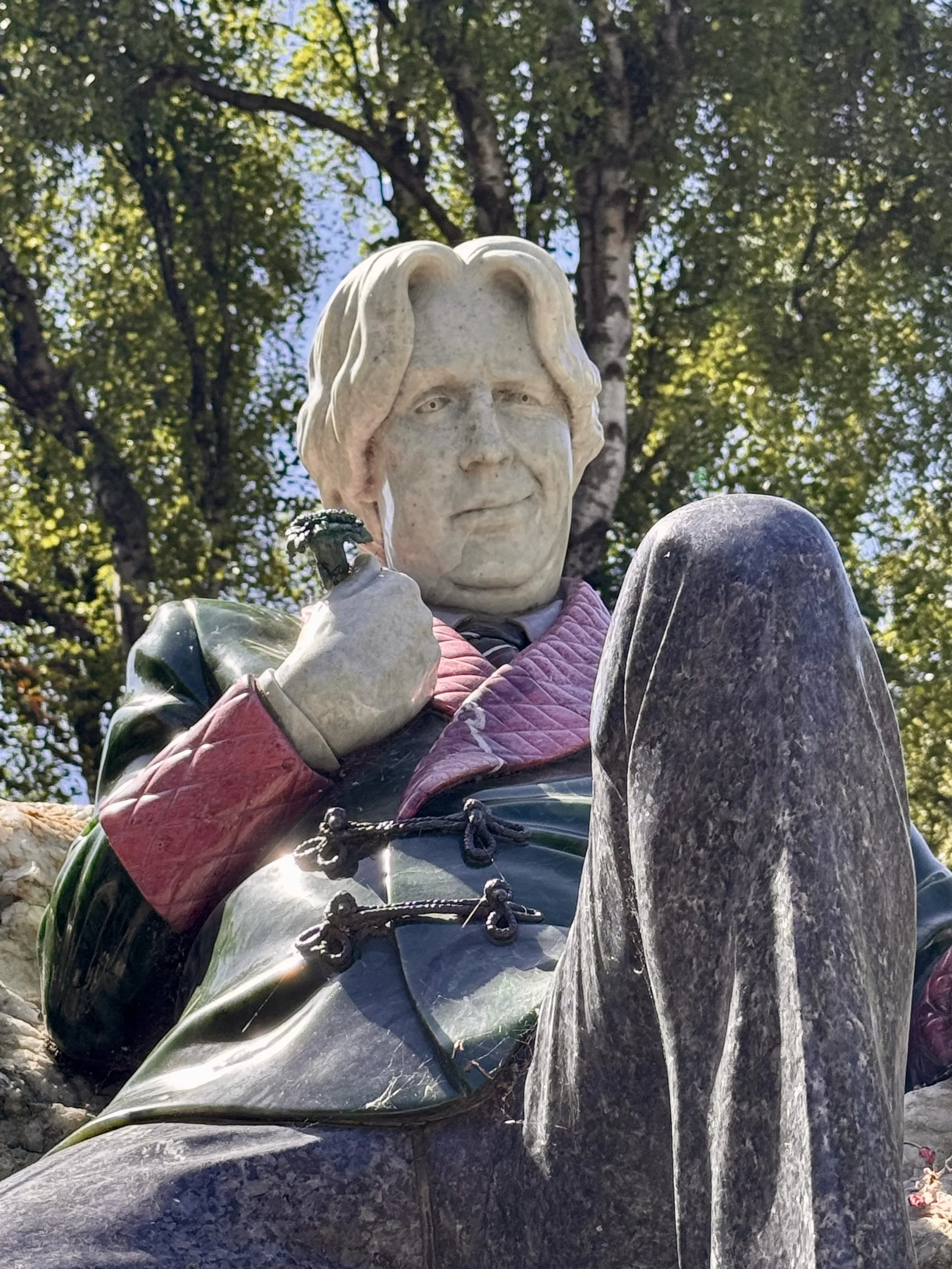
Oscar Wilde was an Irish poet, playwright and writer - Merrion Square Park
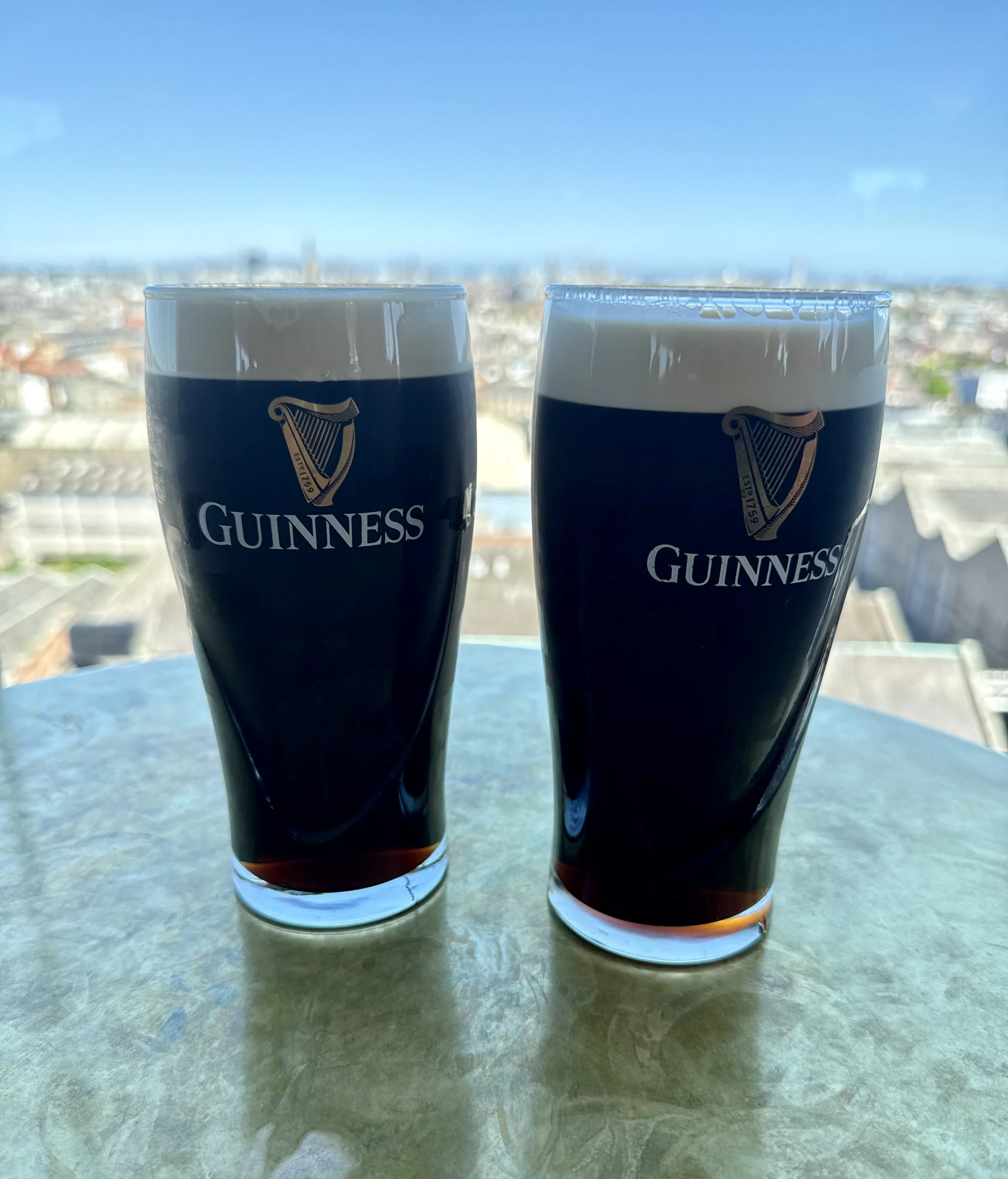
End of the Road at the Guinness Brewery
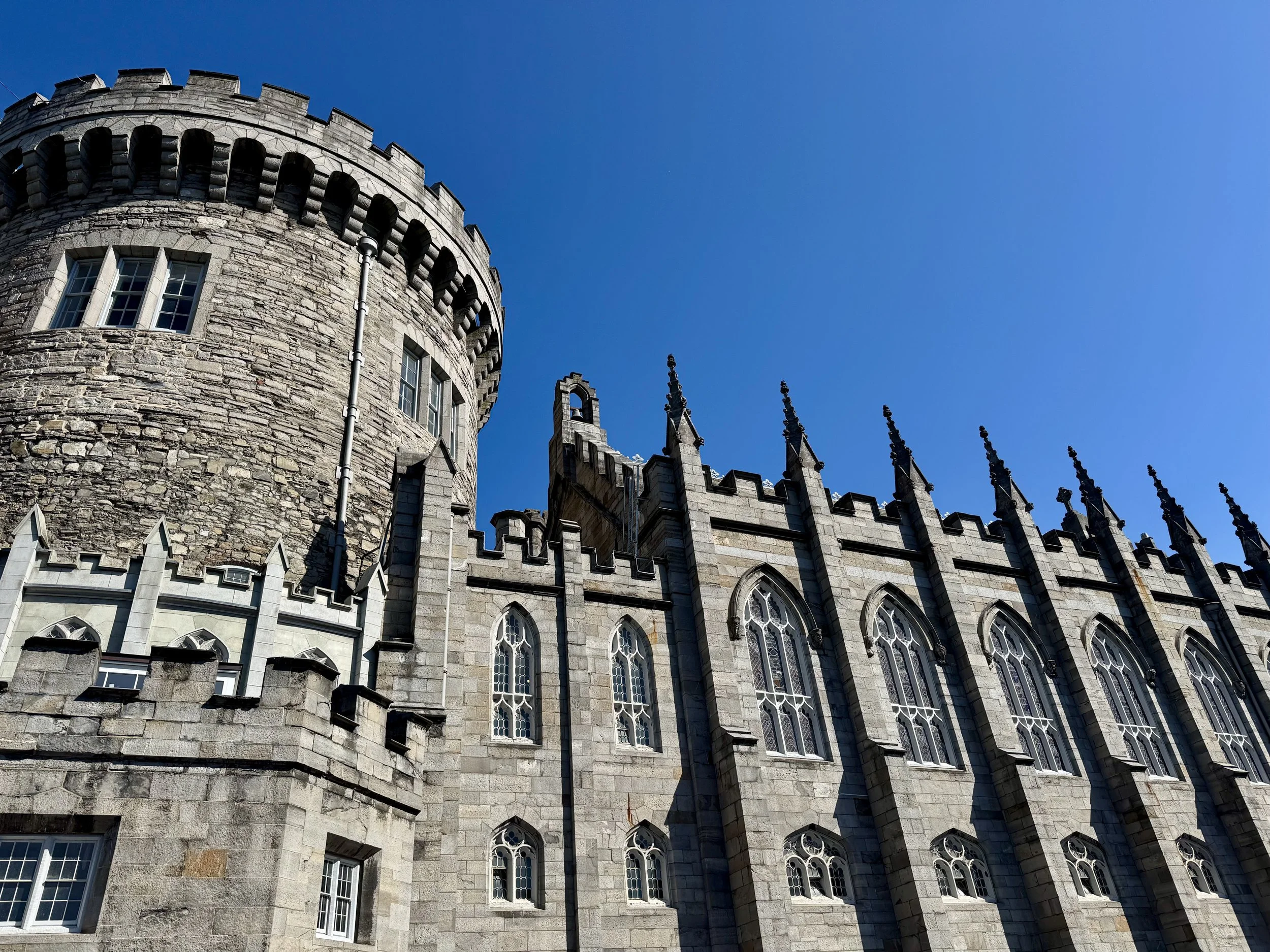
Dublin Castle
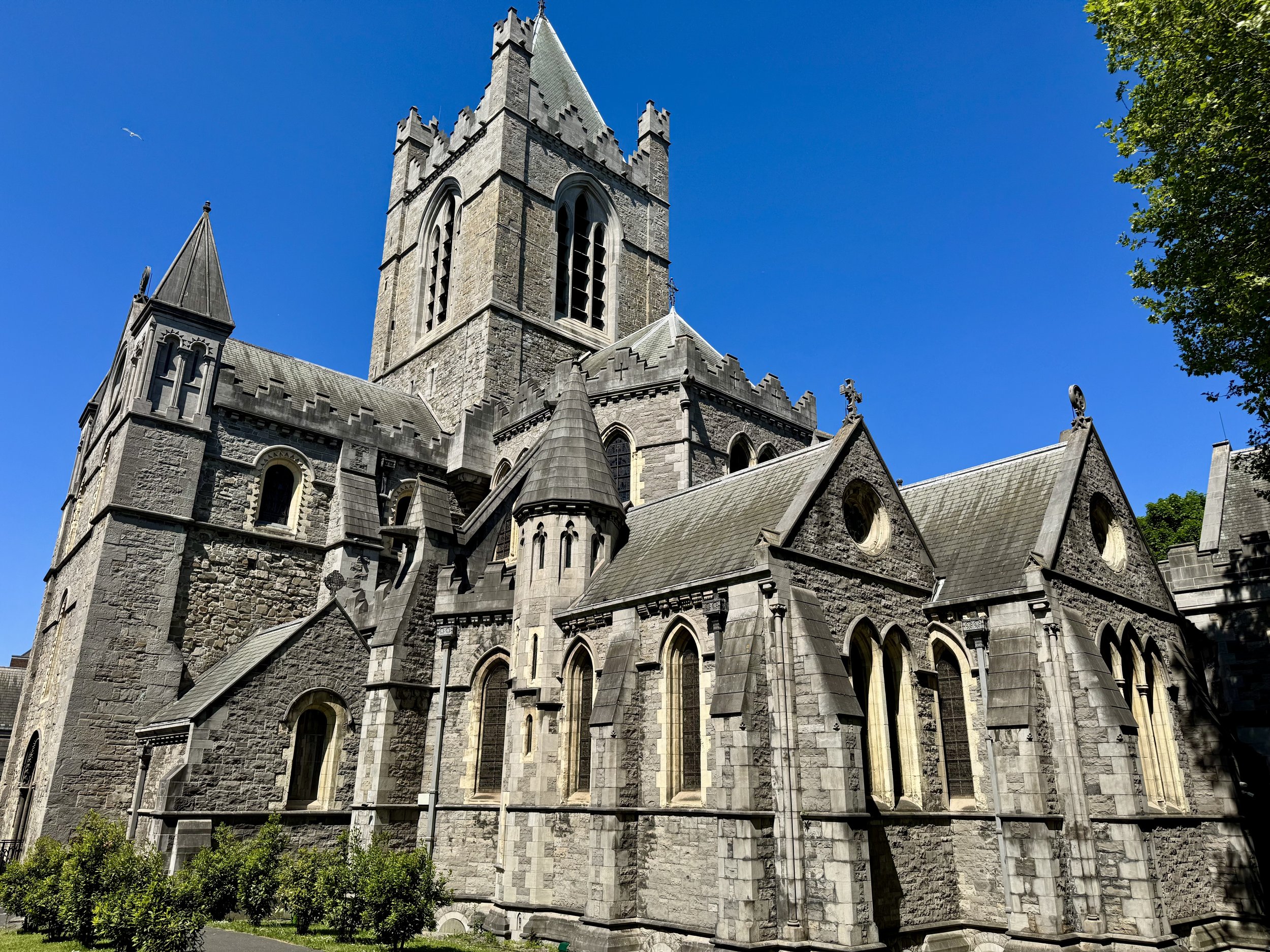
Liberties of Christ Church in Dublin is the city's oldest structure
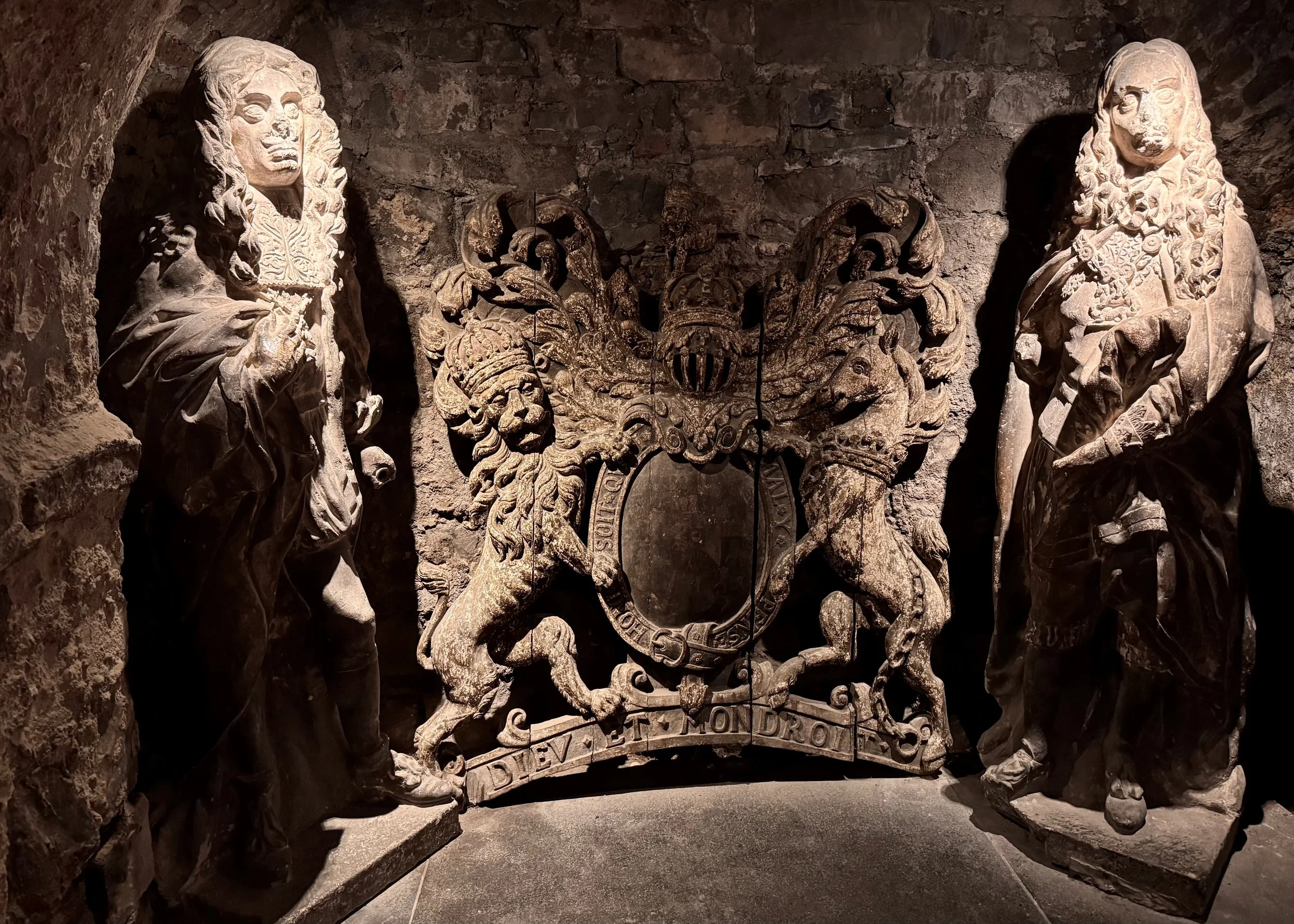
Liberties of Christ Church
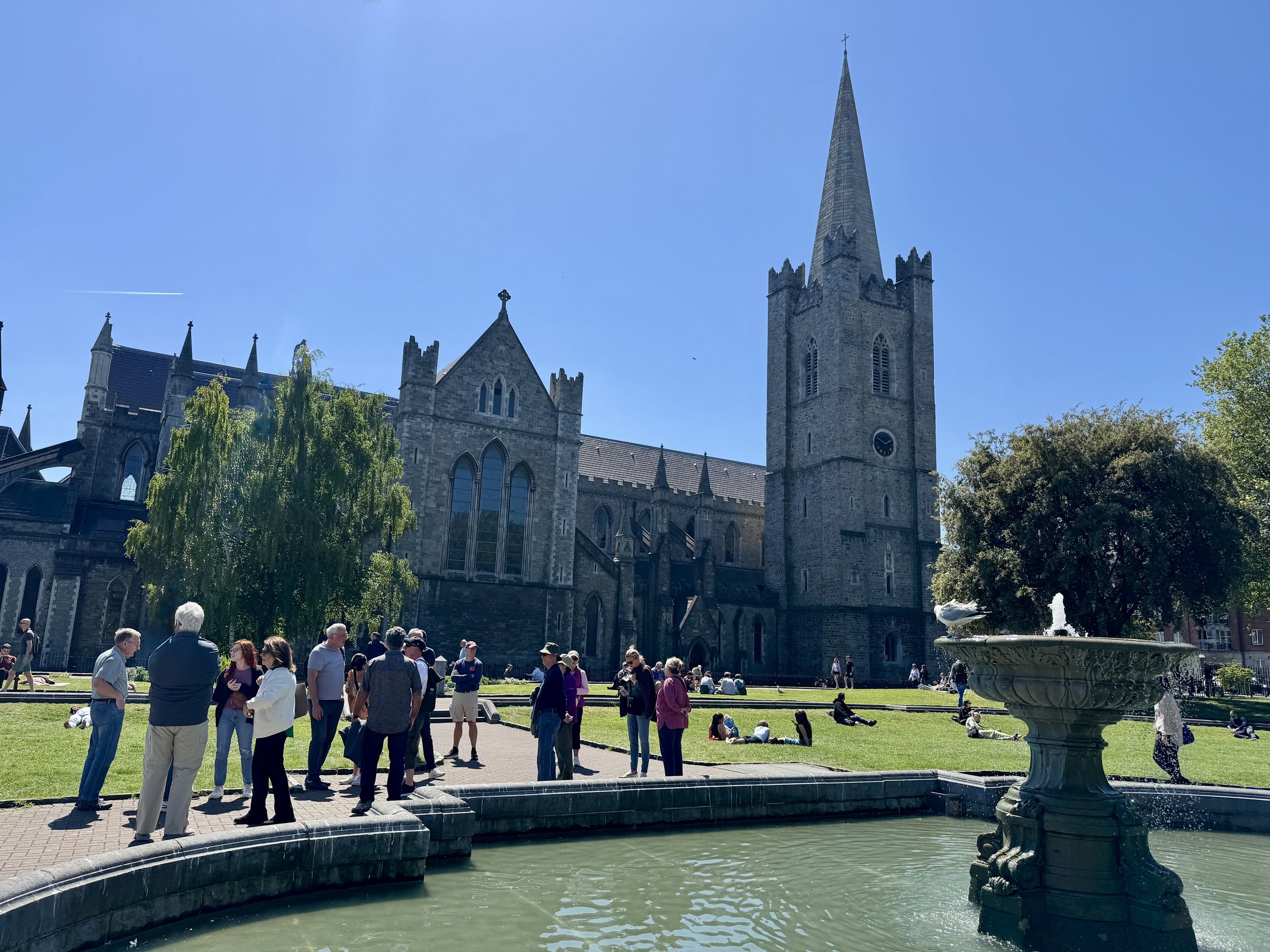
St Patrick’s Church
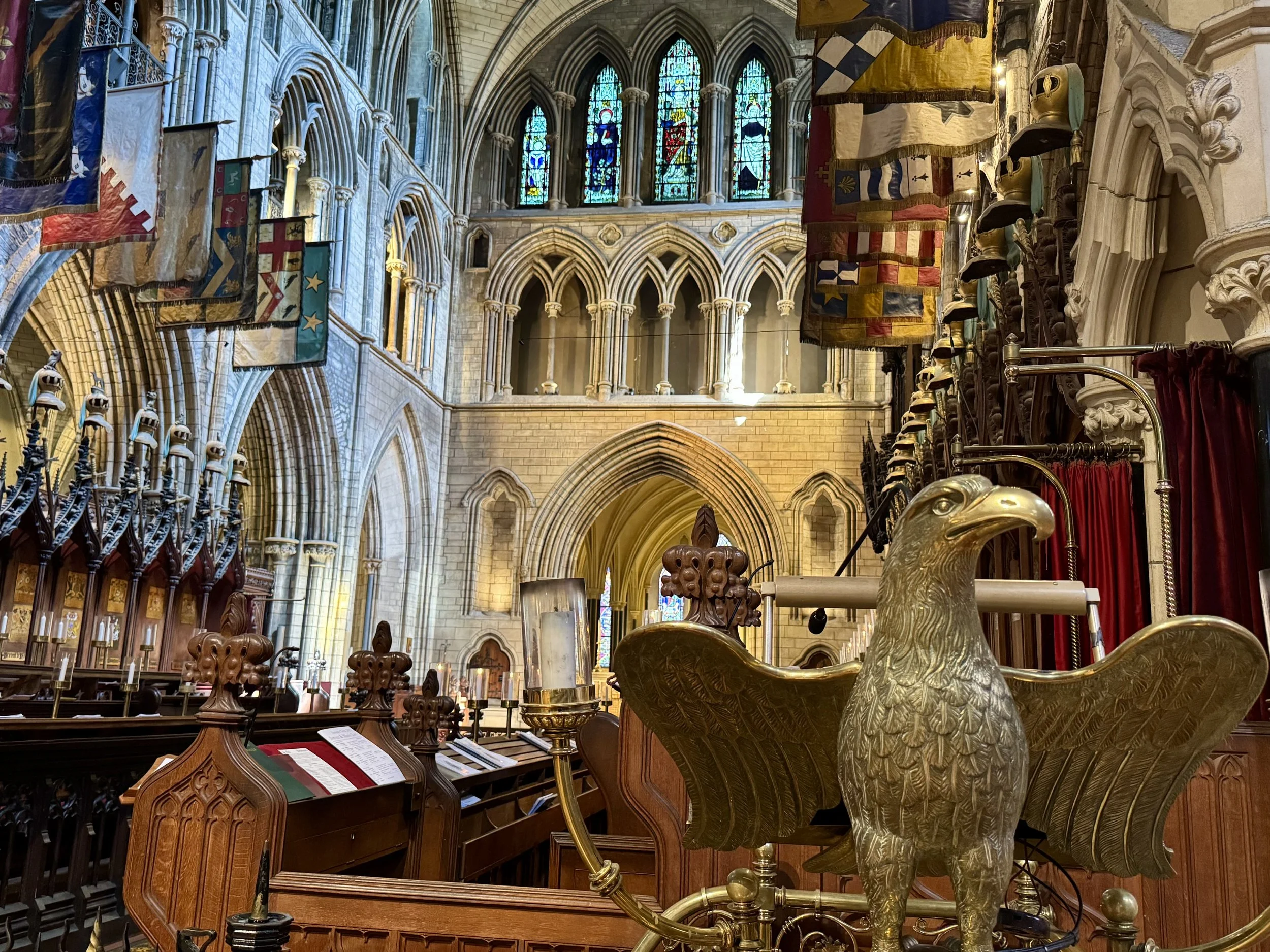
St Patrick’s Cathedral
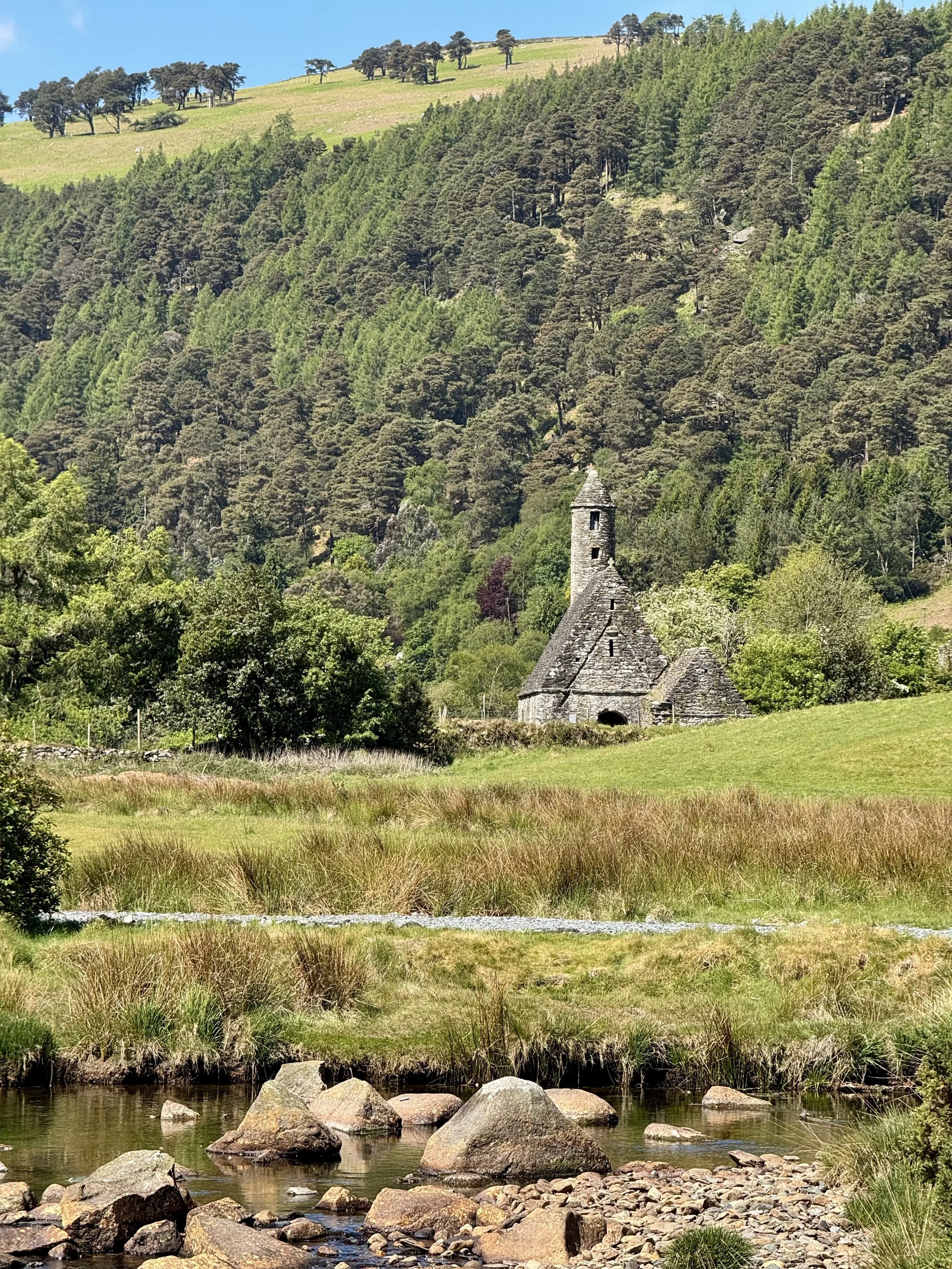
Glendalough
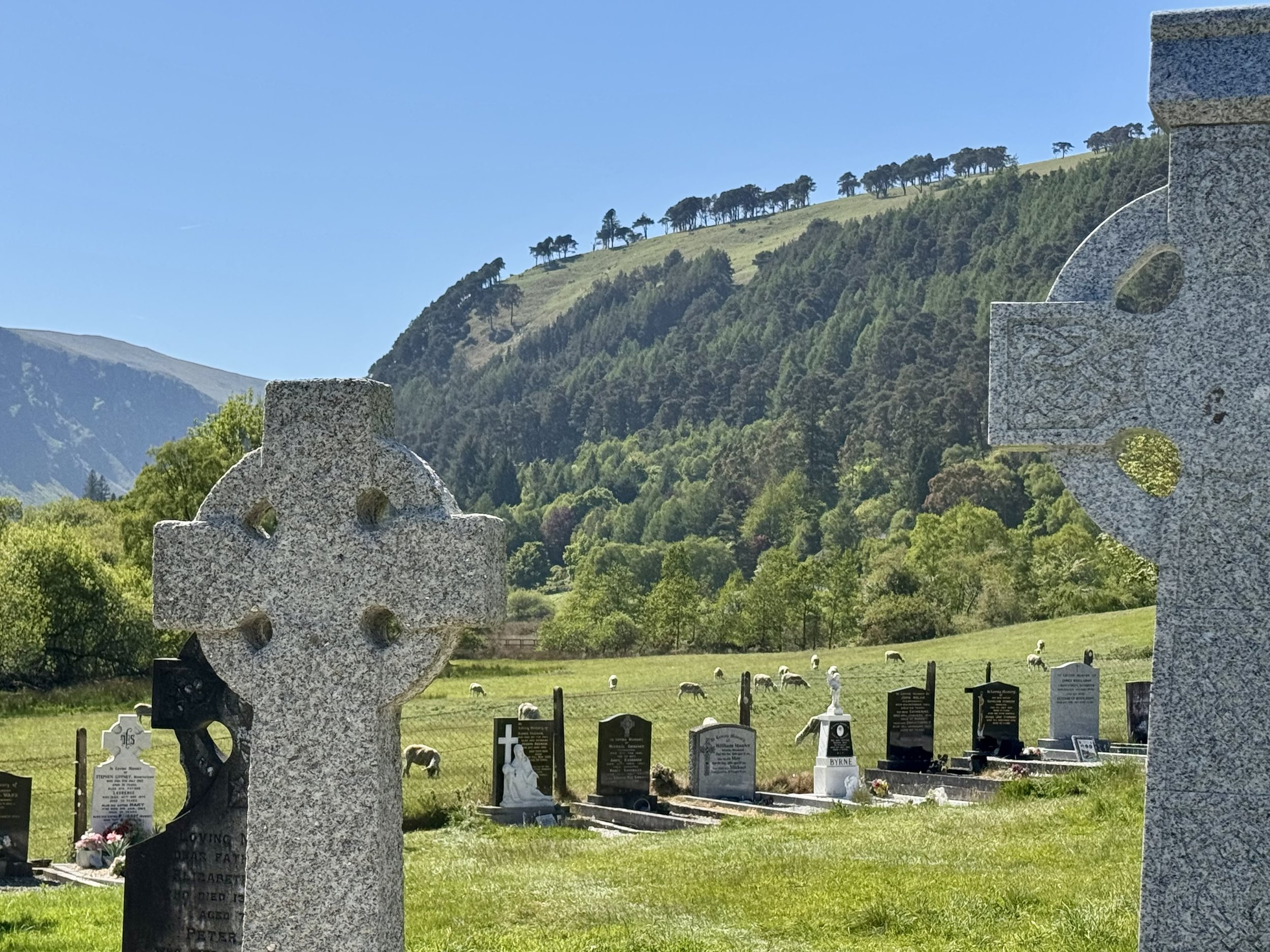
Glendalough
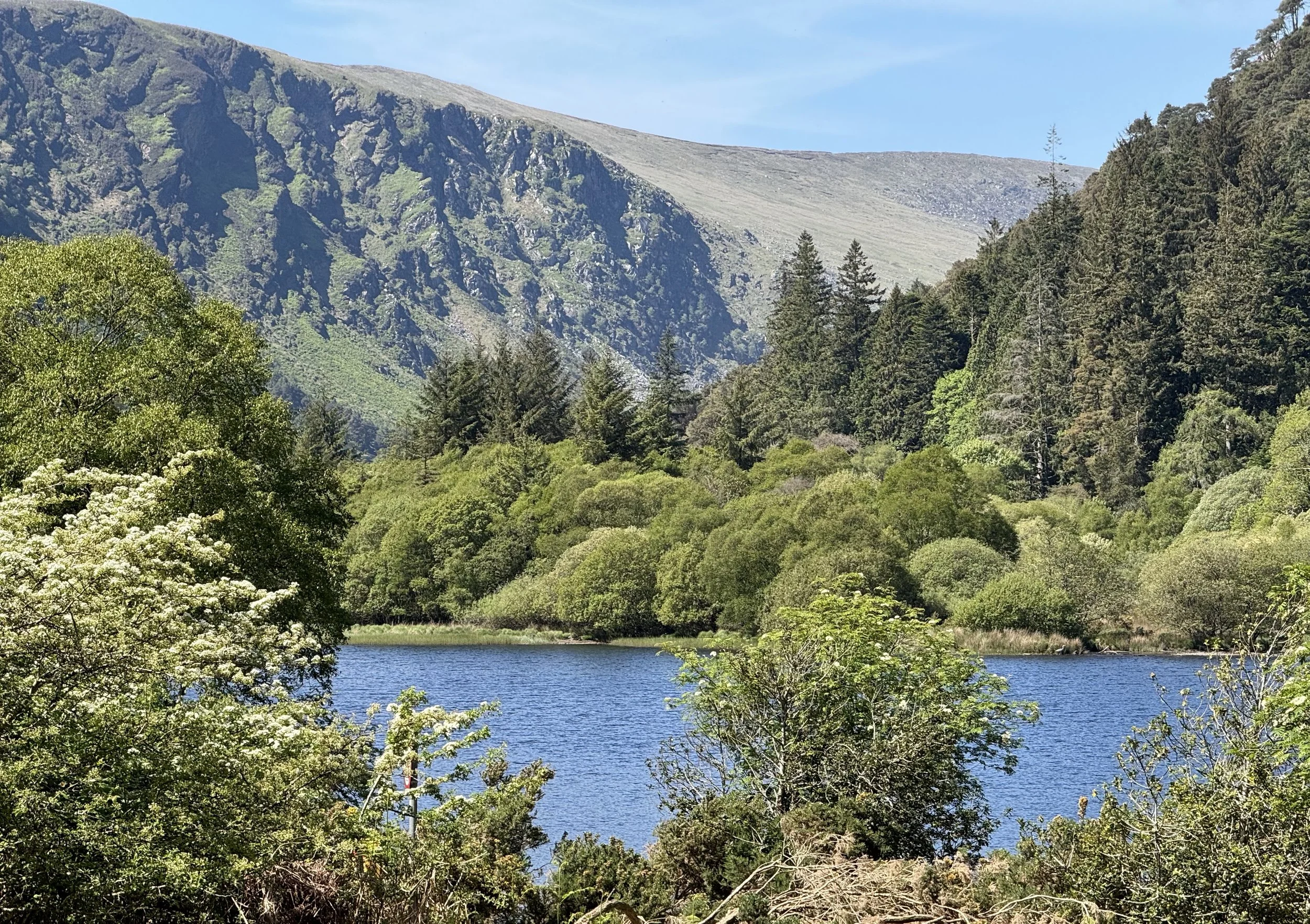
Glendalough
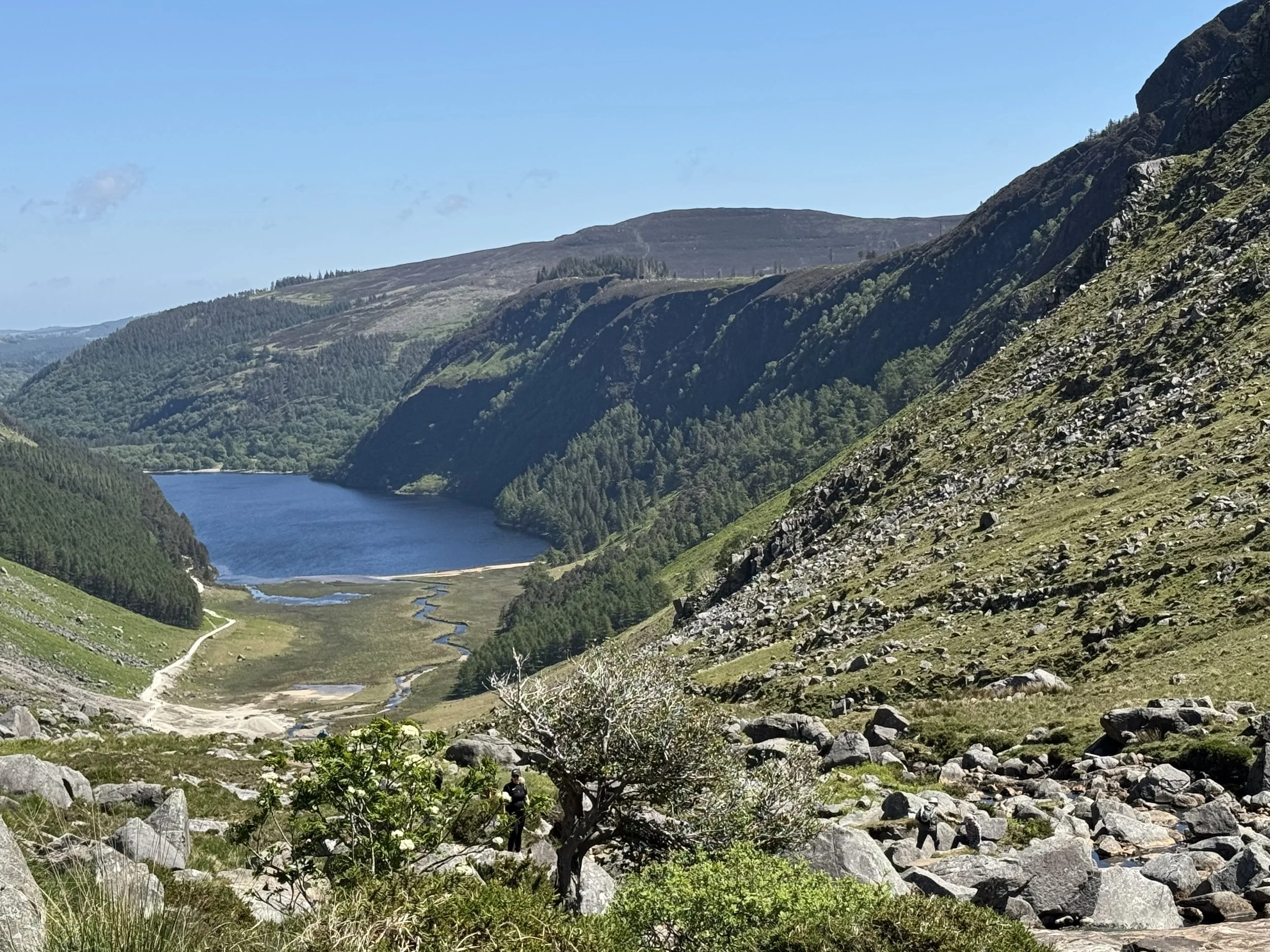
Glendalough hike
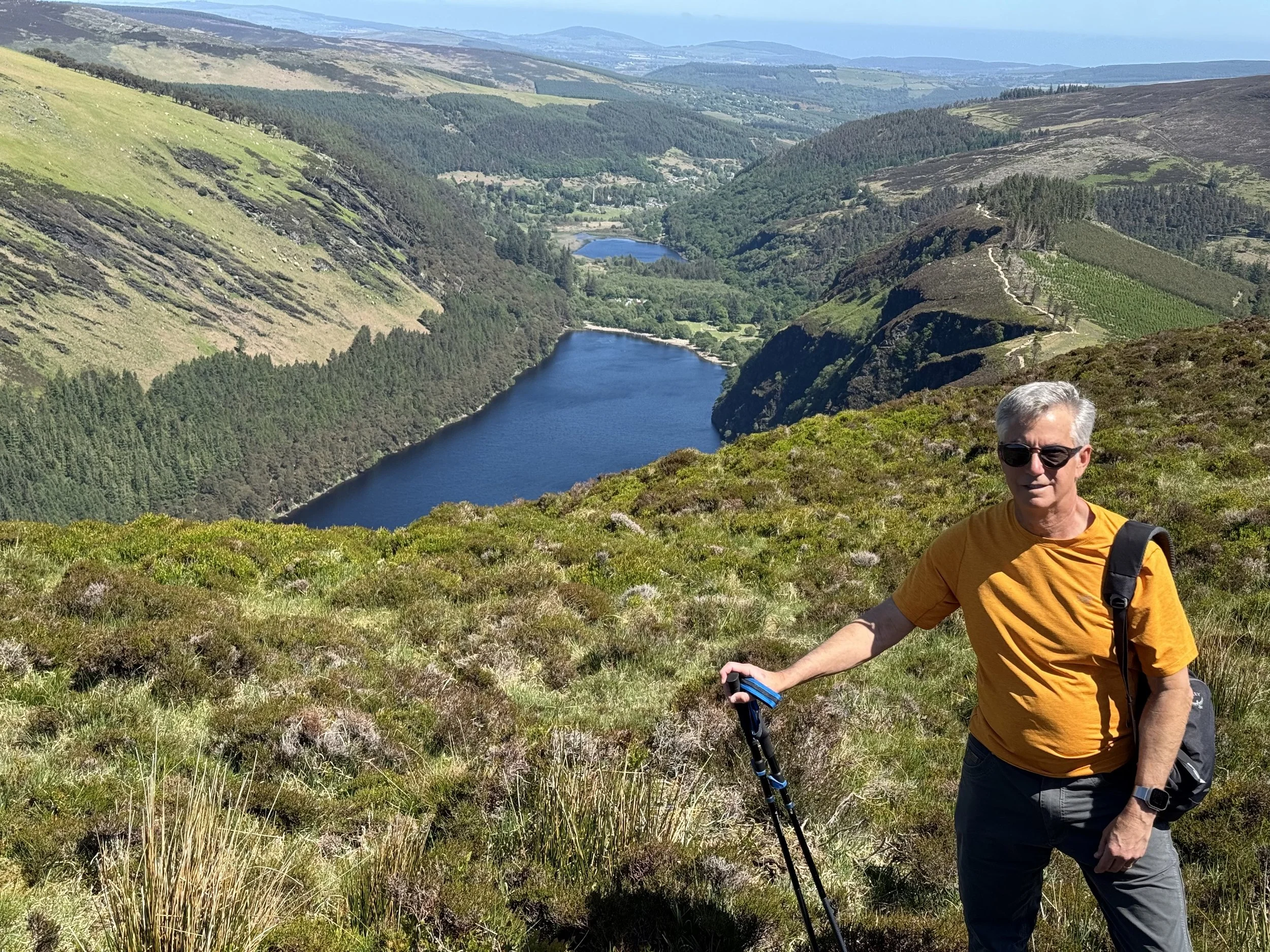
Glendalough hike
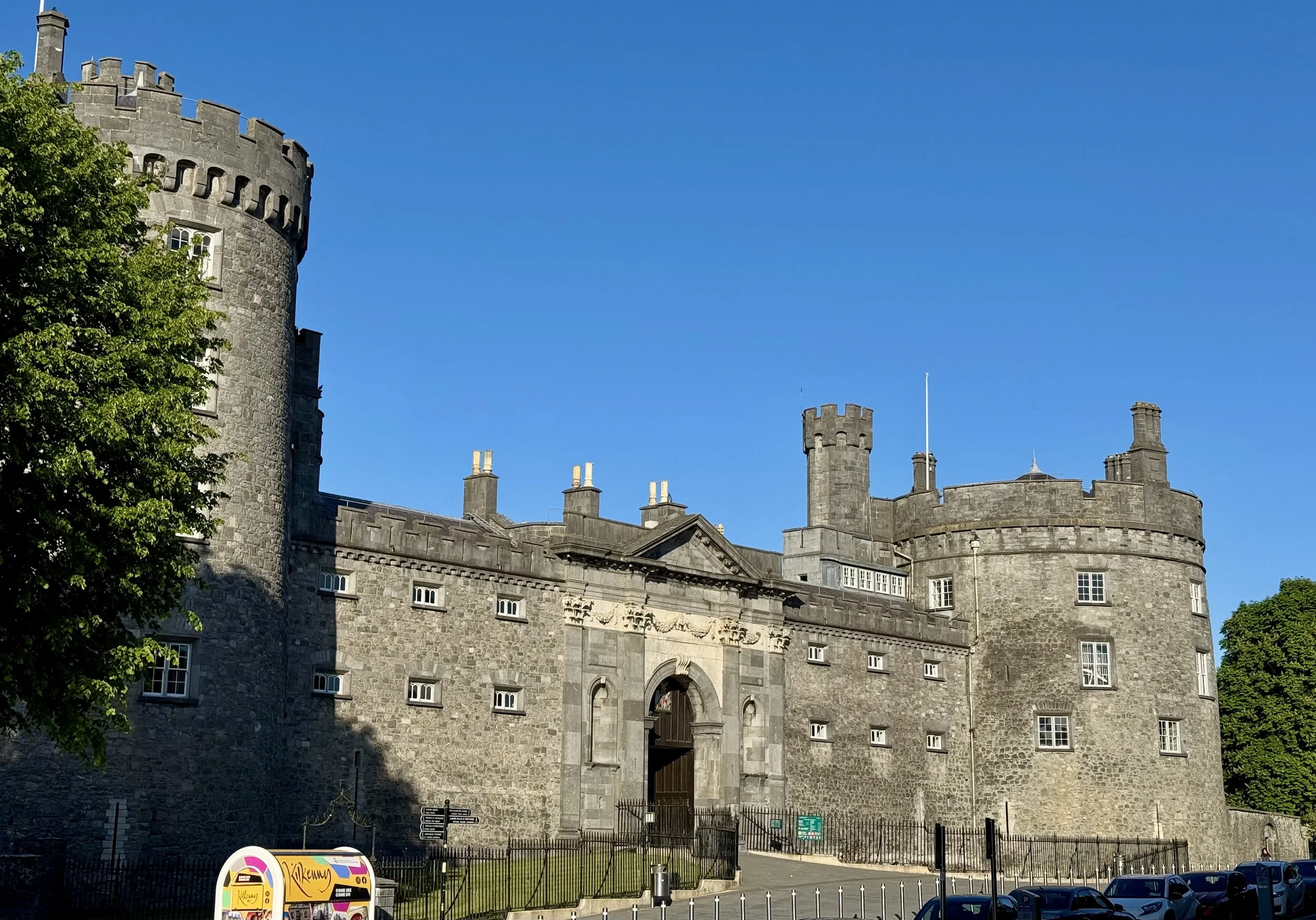
Kilkenny Castle
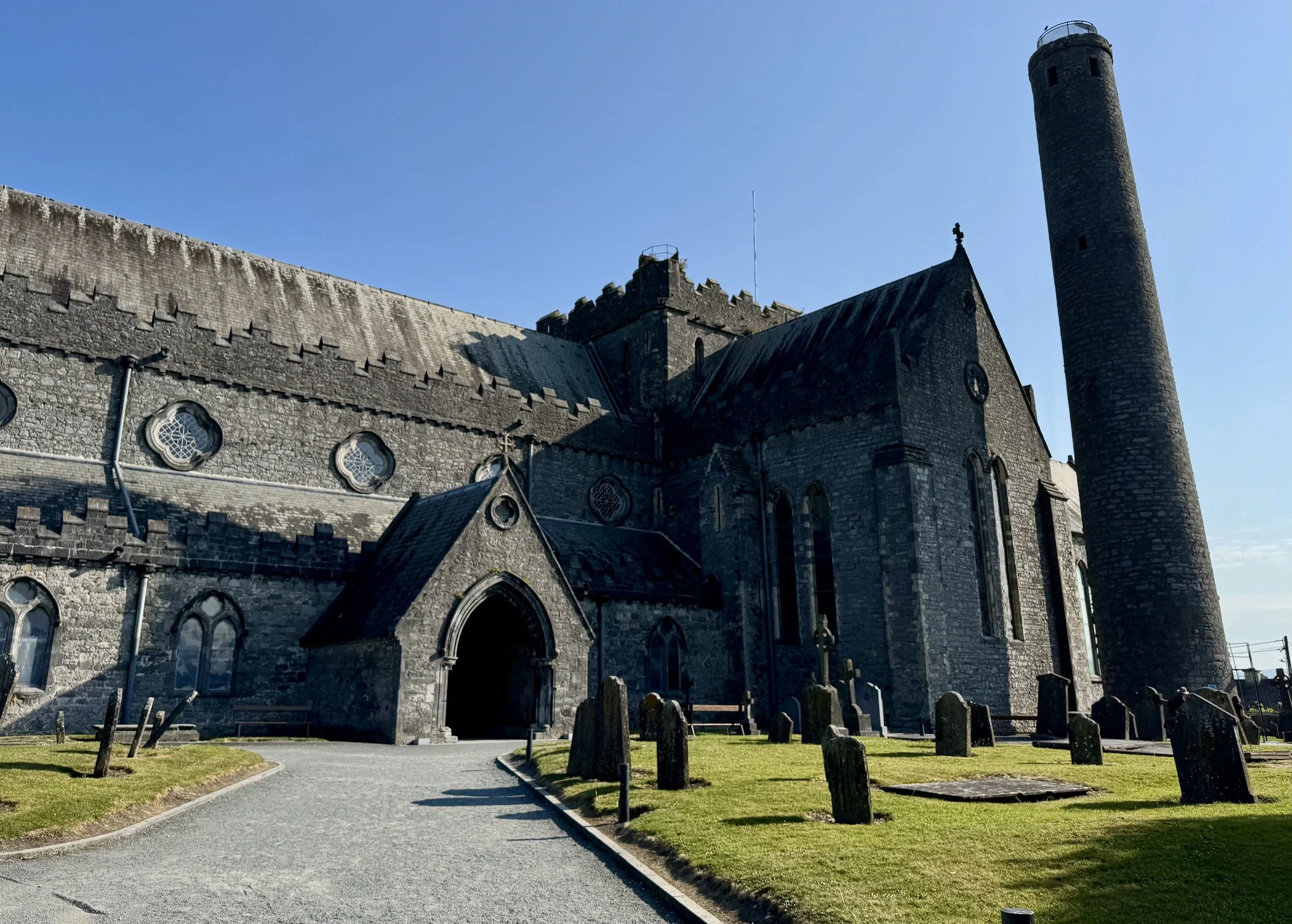
Kilkenny - St Canice’s Cathedral
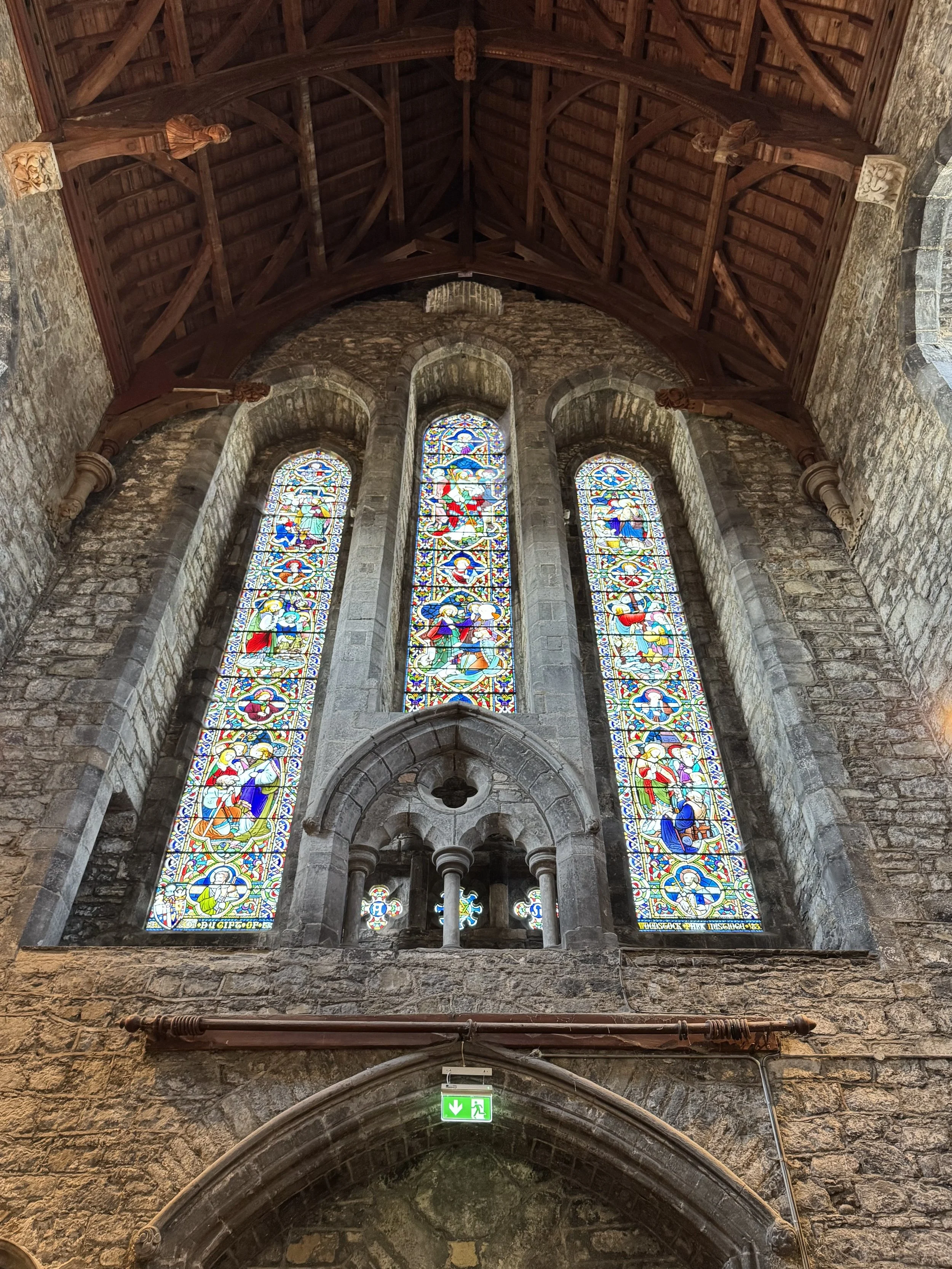
Kilkenny - St Canice’s Cathedral
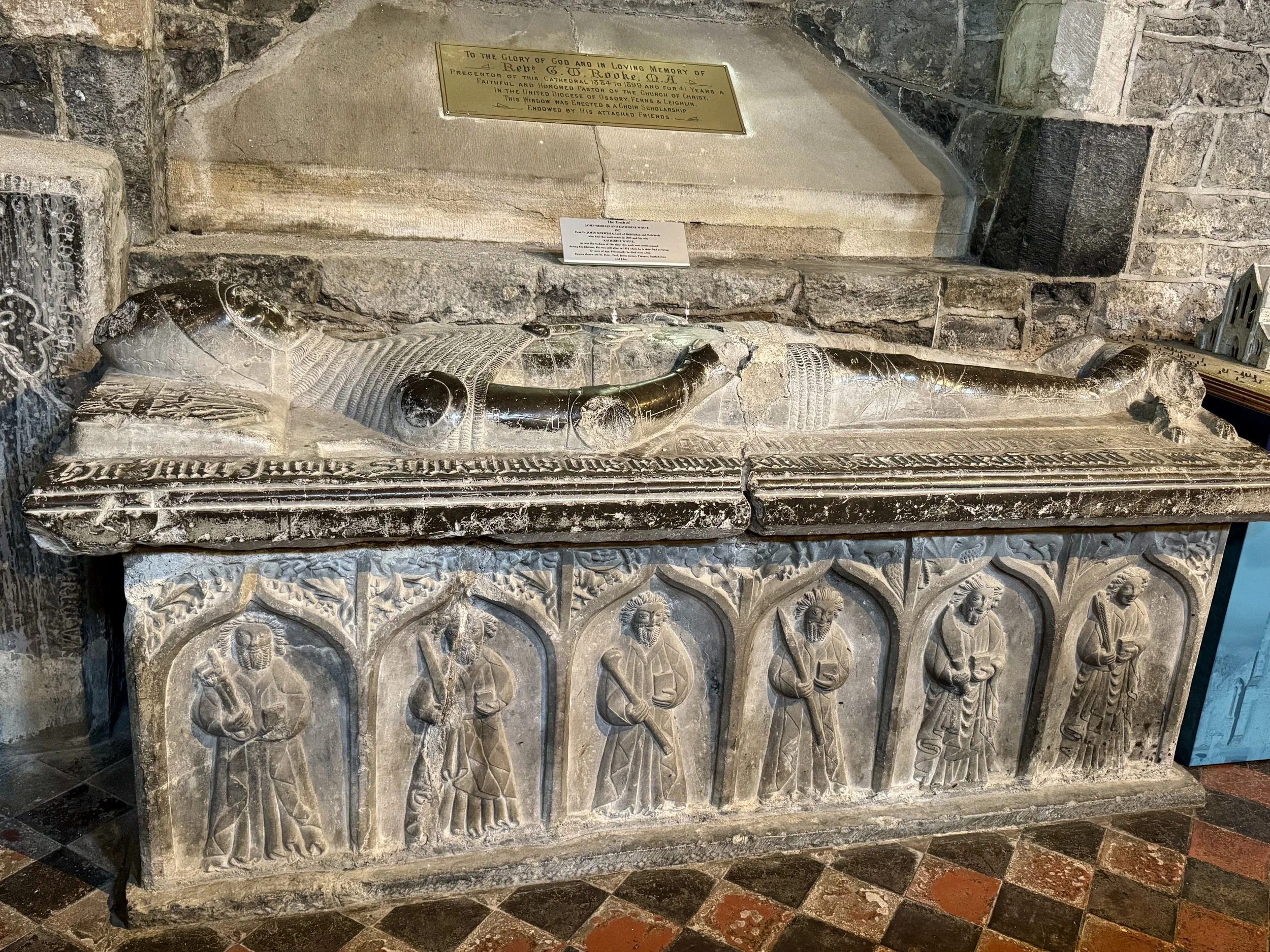
Kilkenny - St Canice’s Cathedral
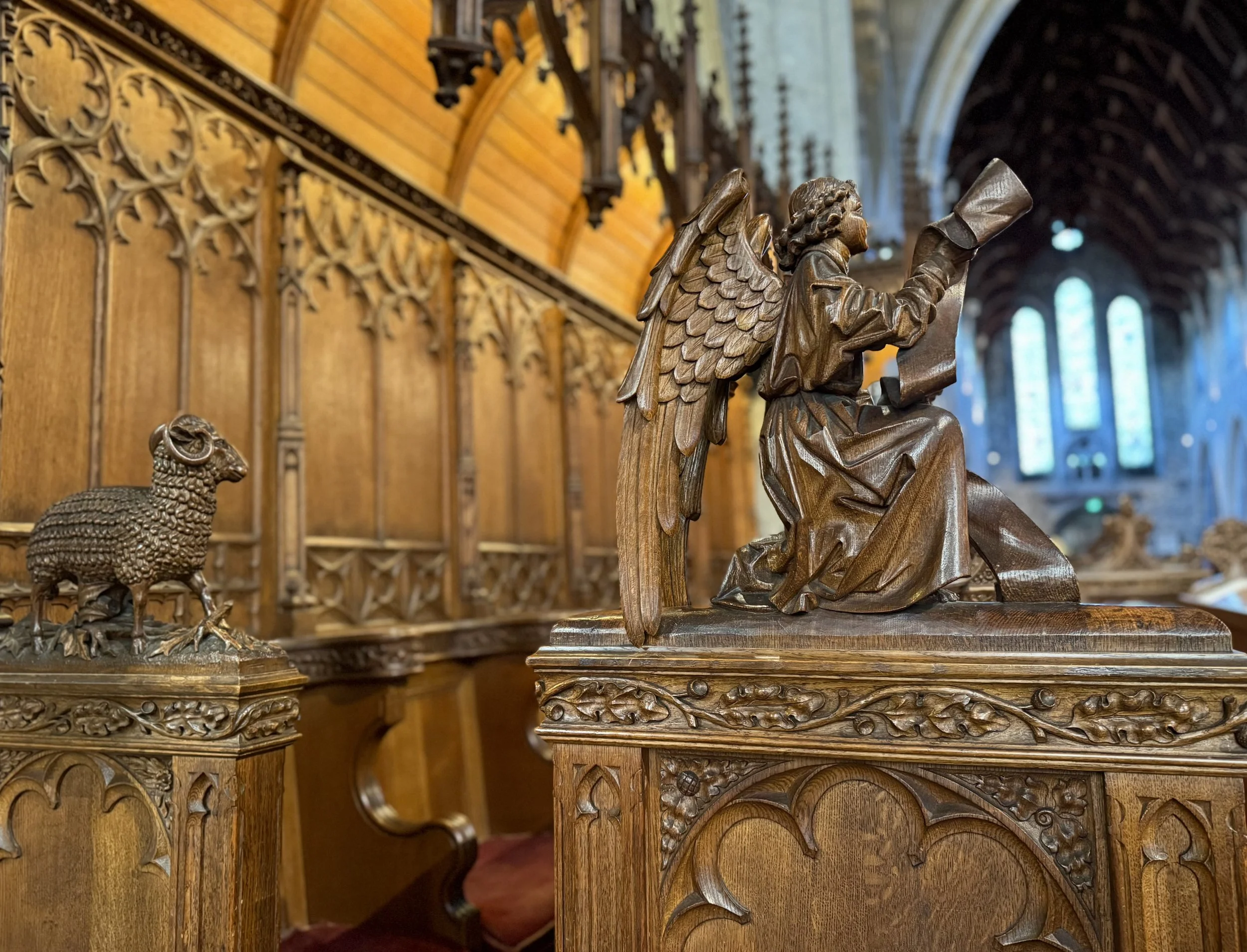
Kilkenny - St Canice’s Cathedral
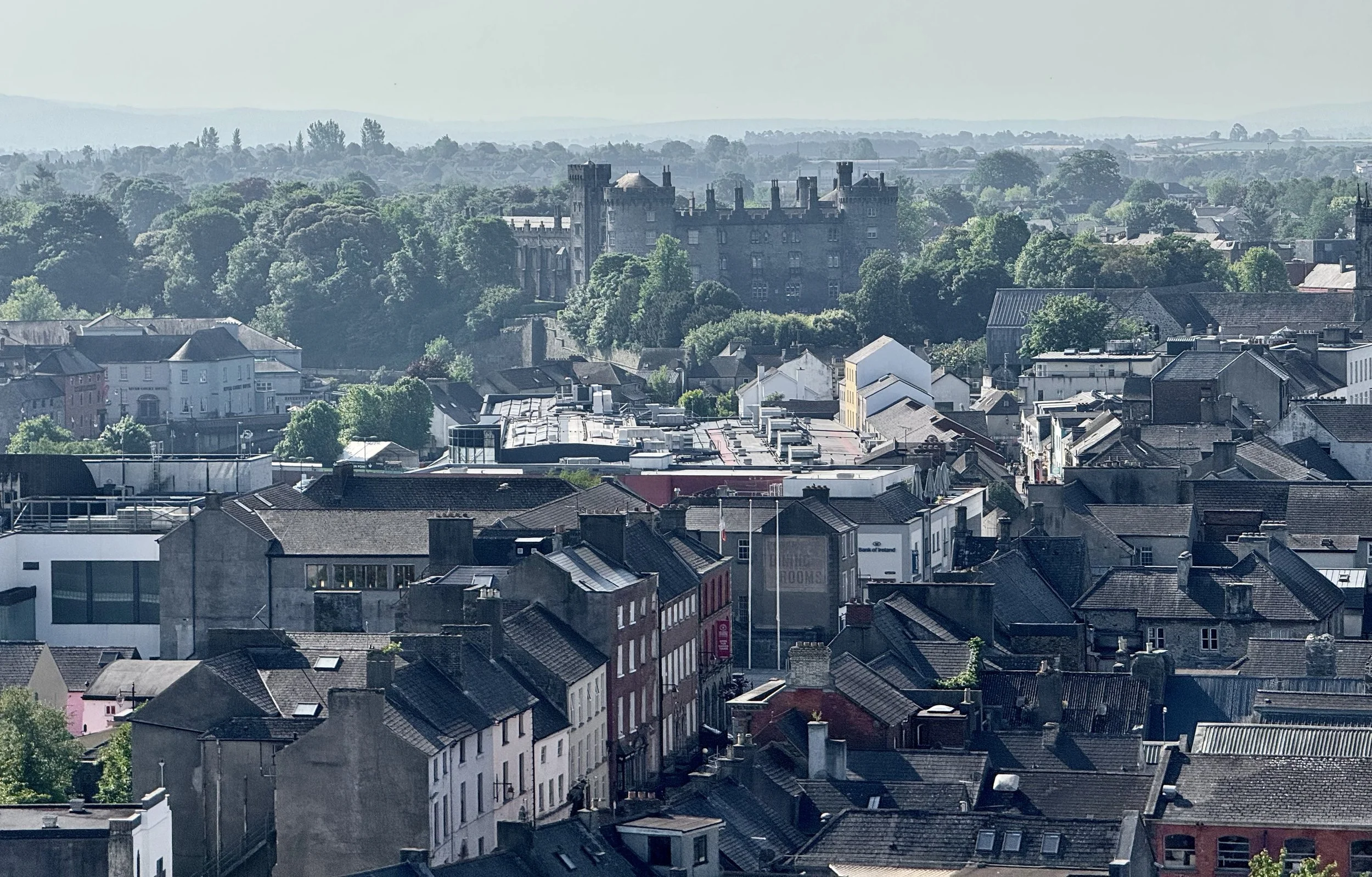
View of Kilkenny from St Canice’s Cathedral
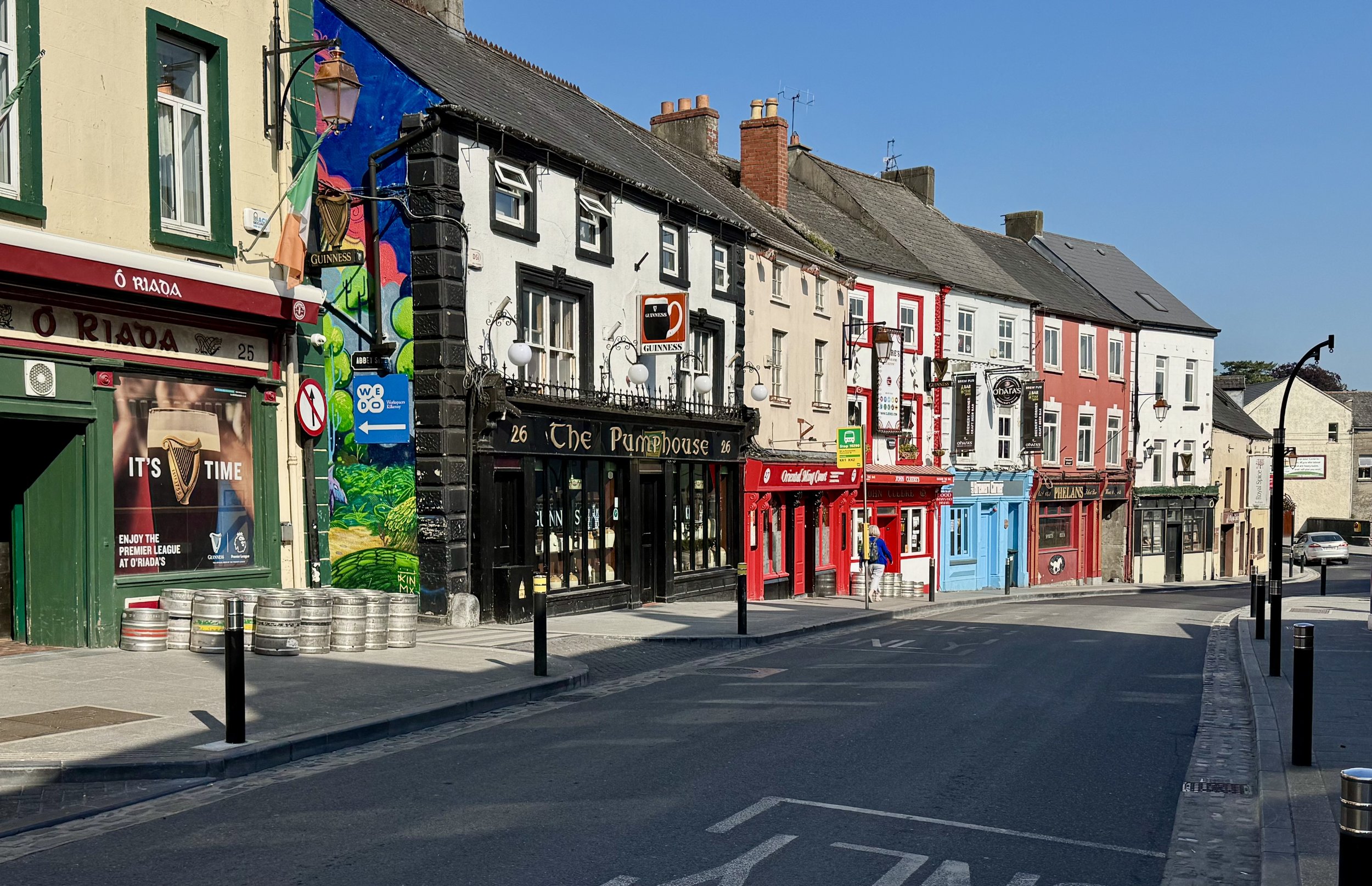
Kilkenny
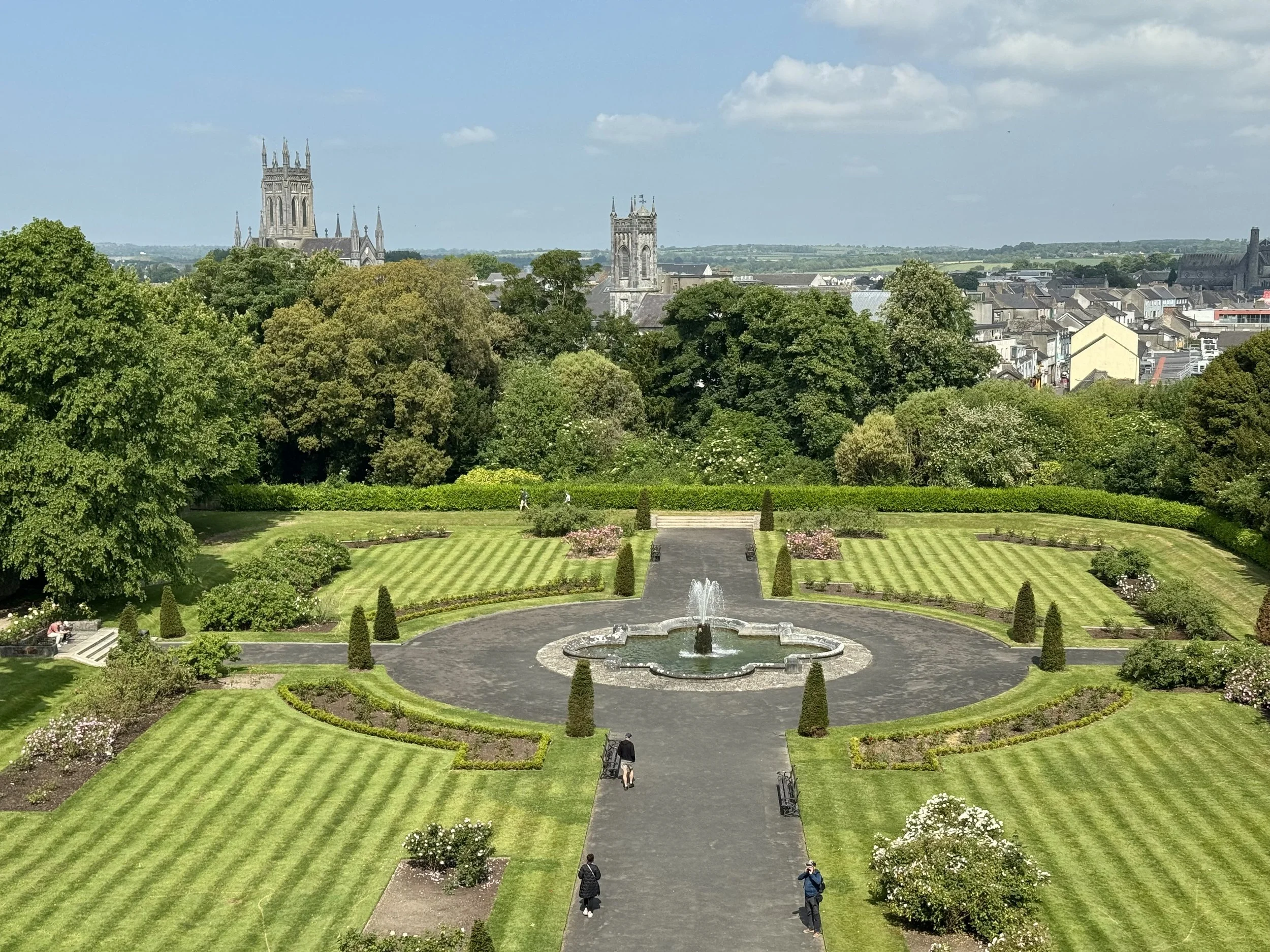
Kilkenny Castle’s formal garden
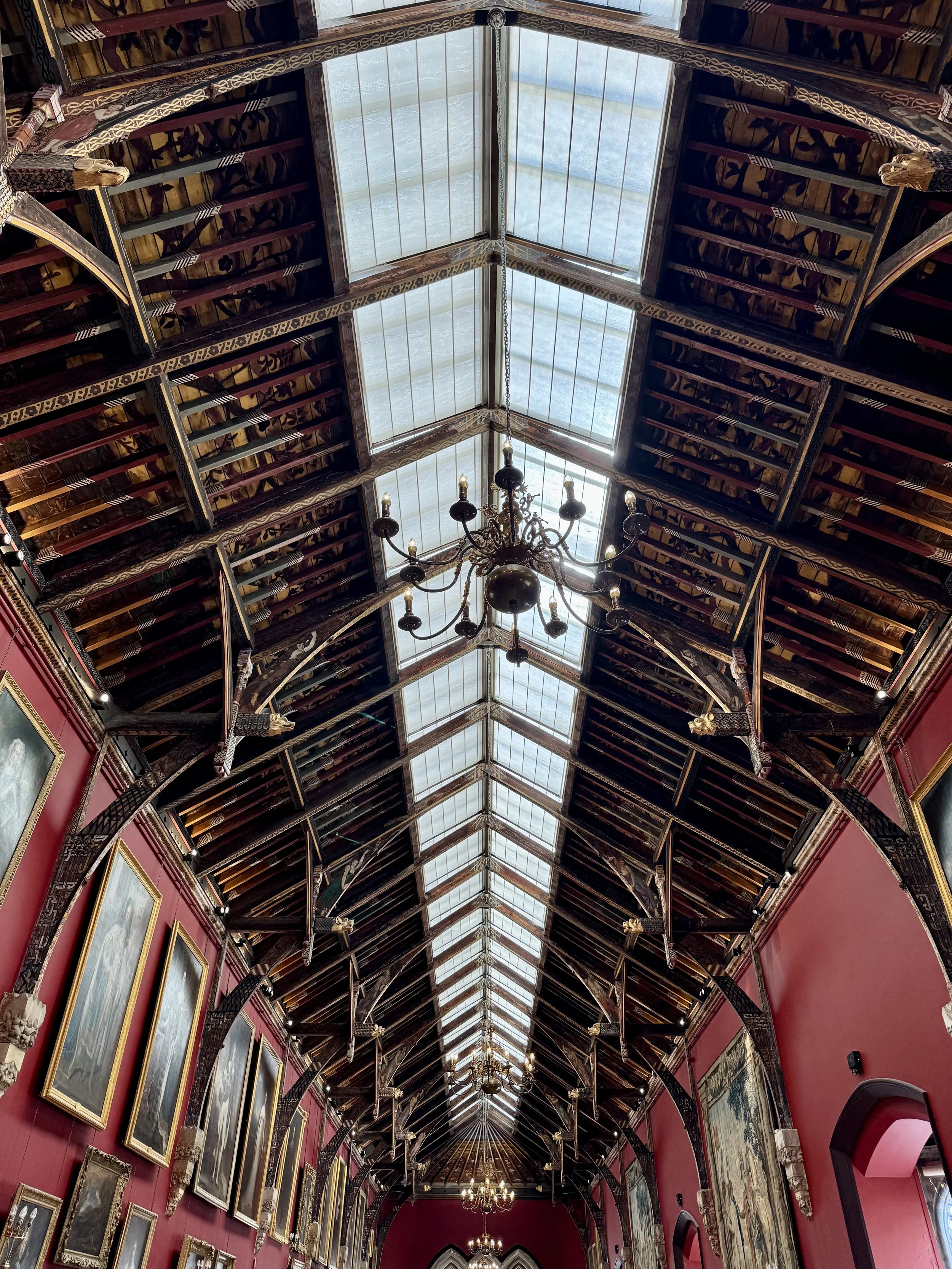
Kilkenny Castle
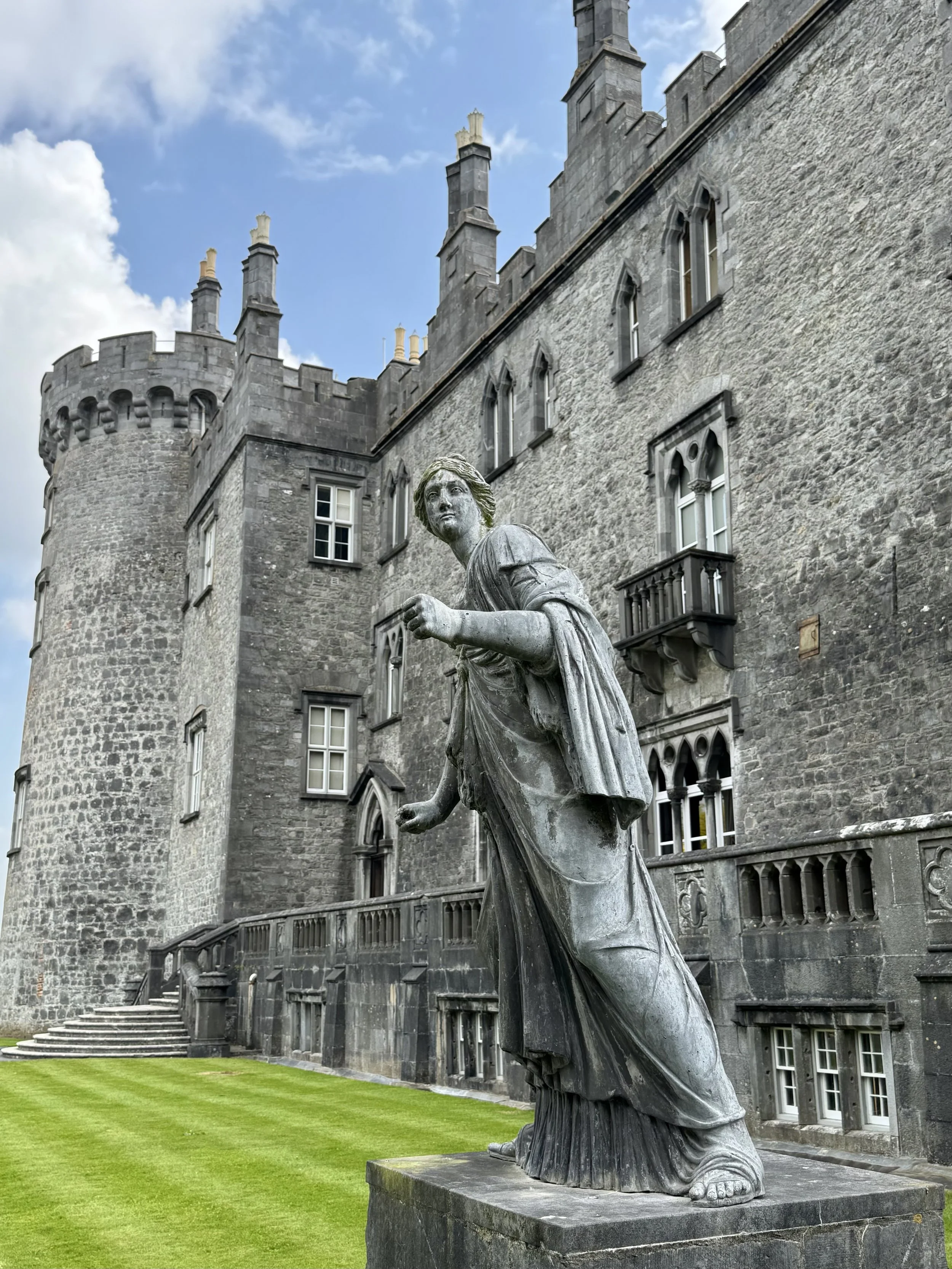
Kilkenny Castle
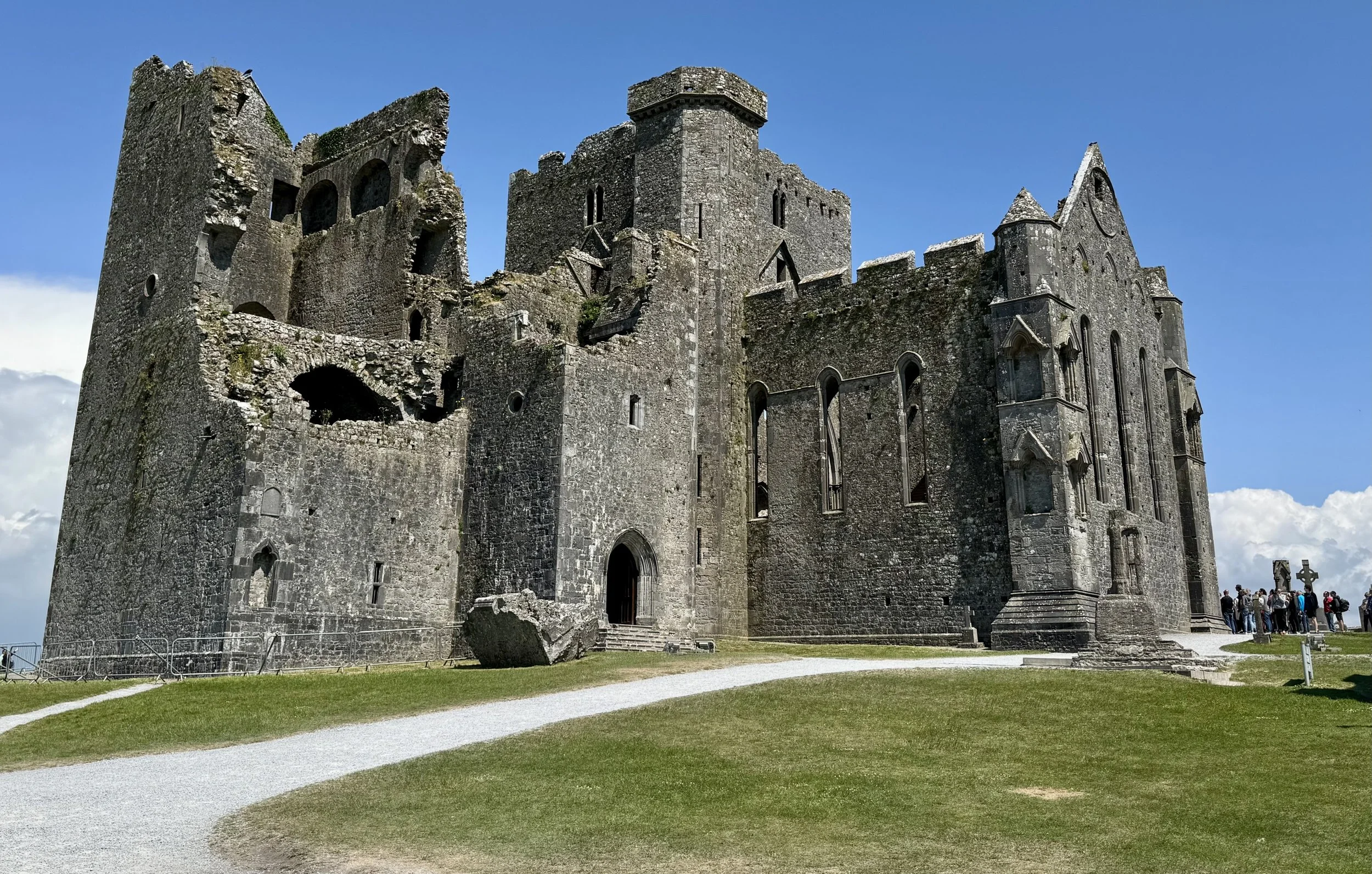
Rock of Cashel - Originally the seat of the kings of Munster, according to legend St. Patrick himself came here to convert King Aenghus to Christianity
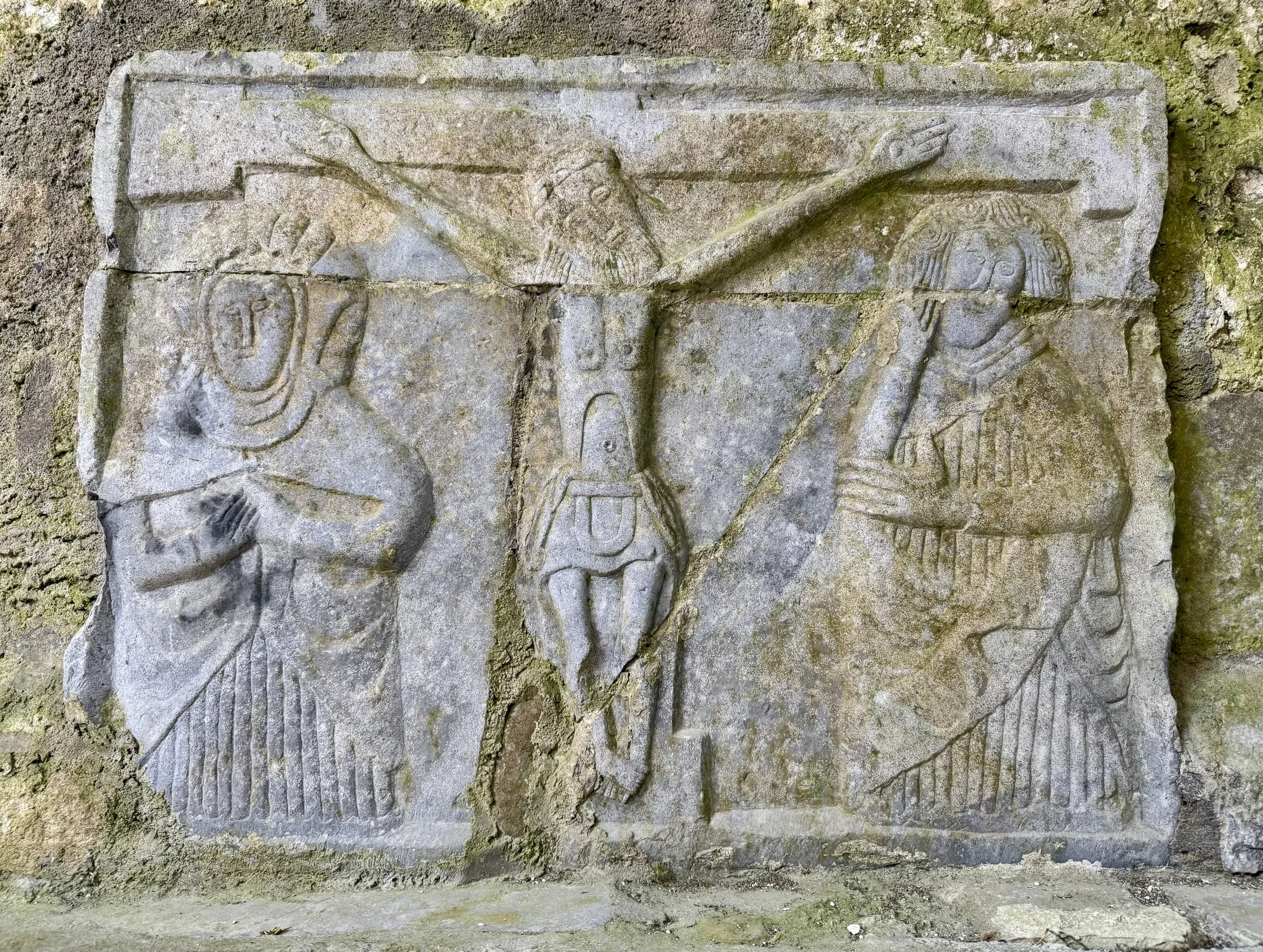
Rock of Cashel
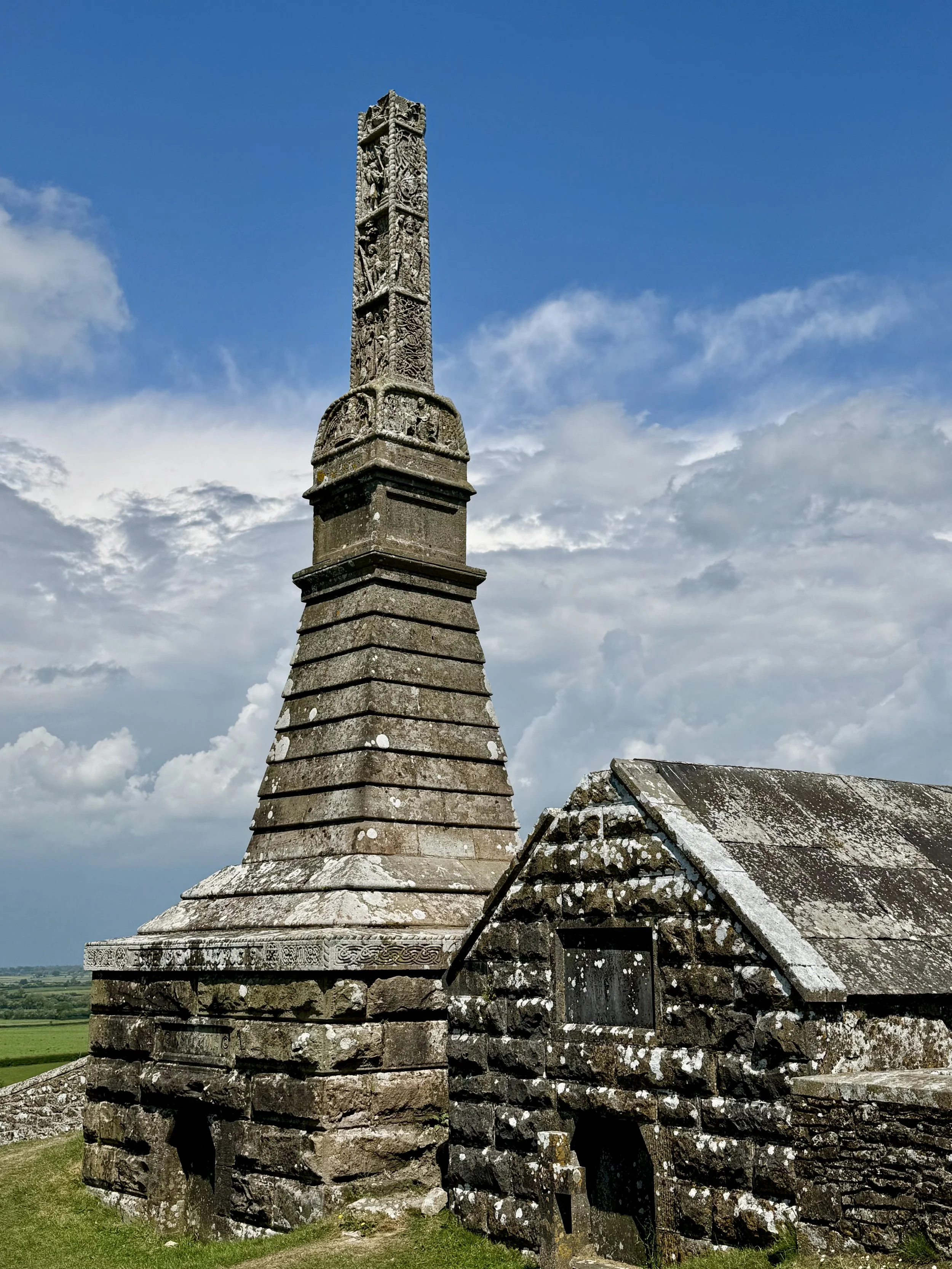
Rock of Cashel
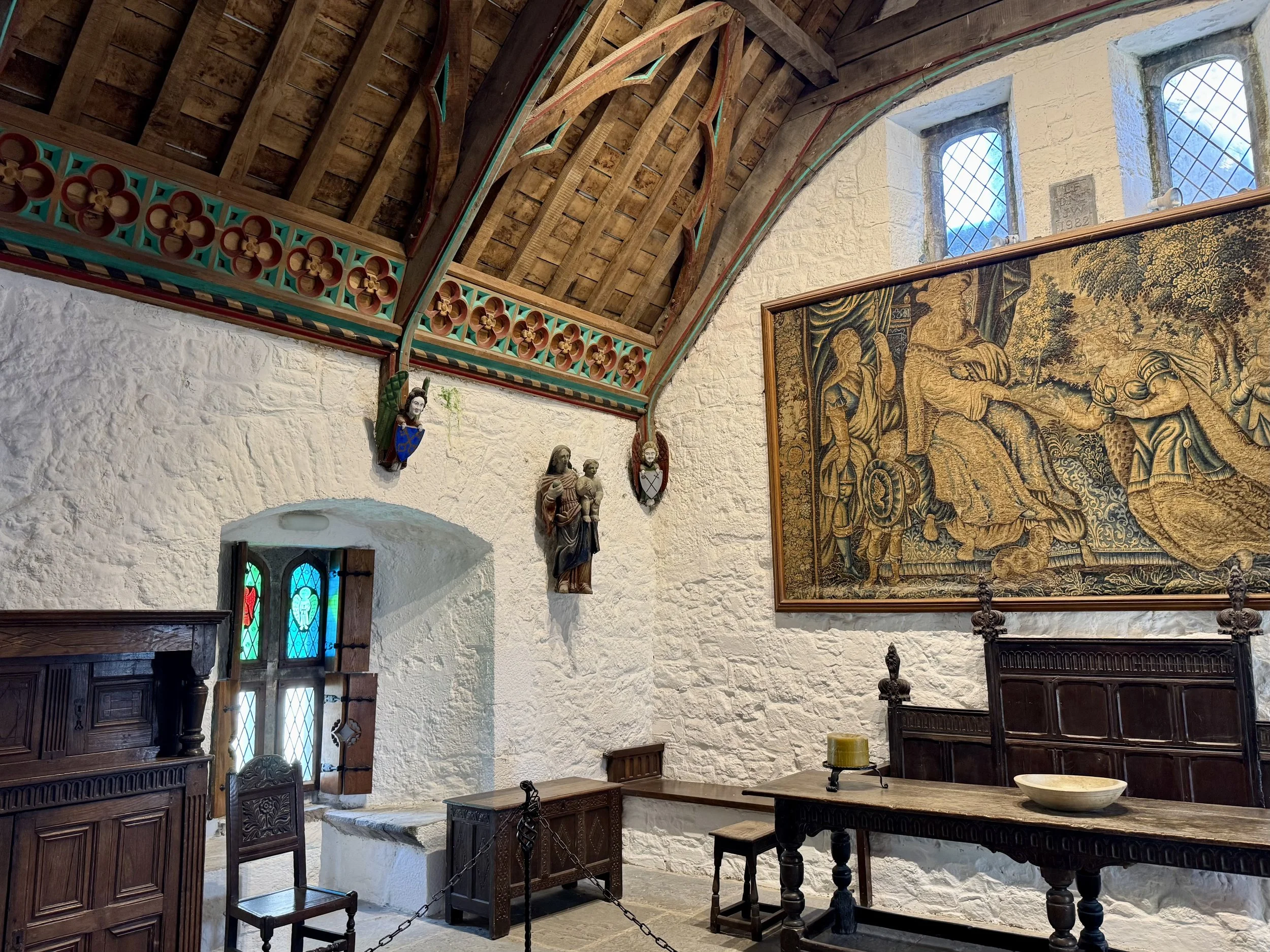
Rock of Cashel
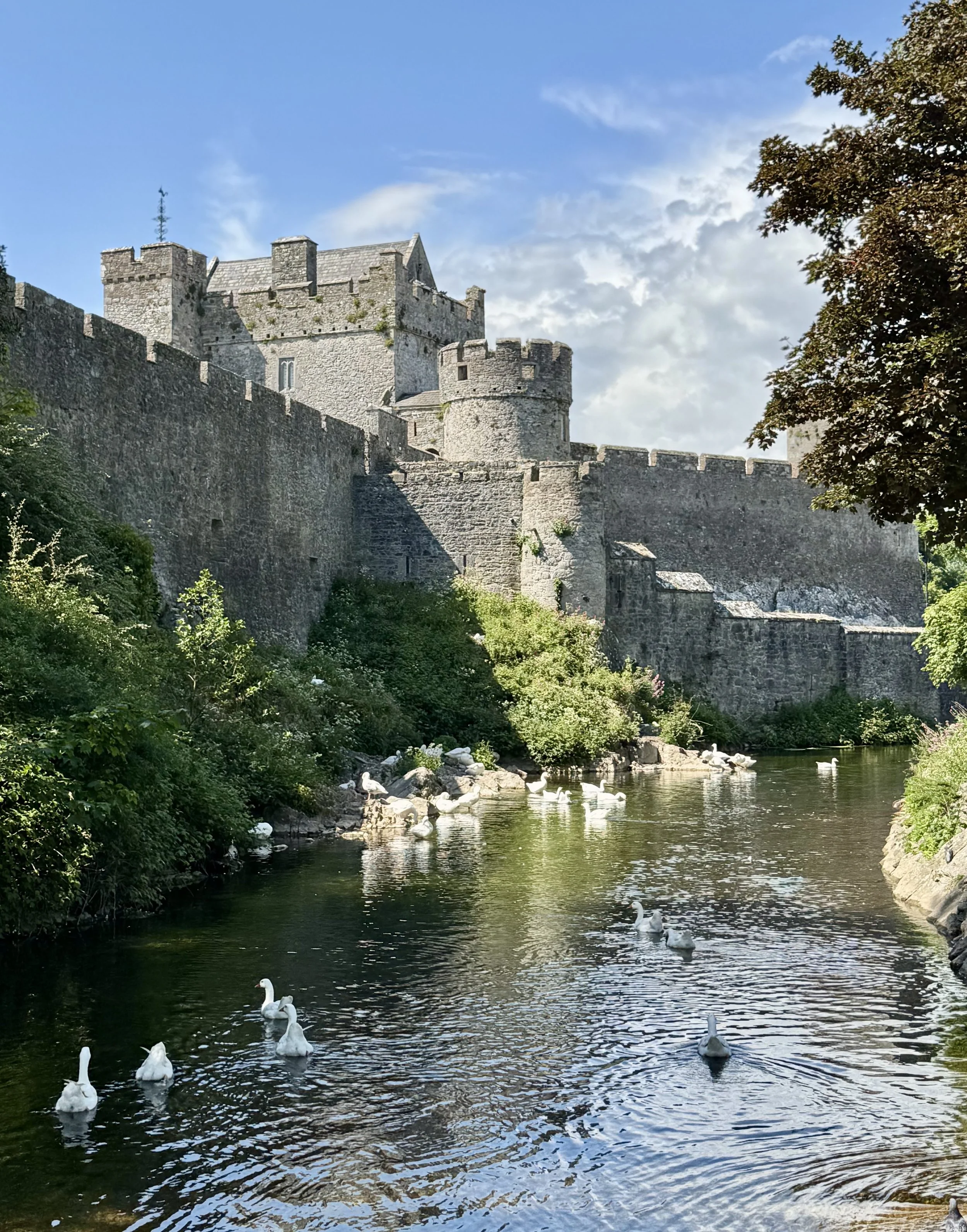
Cahir Castle
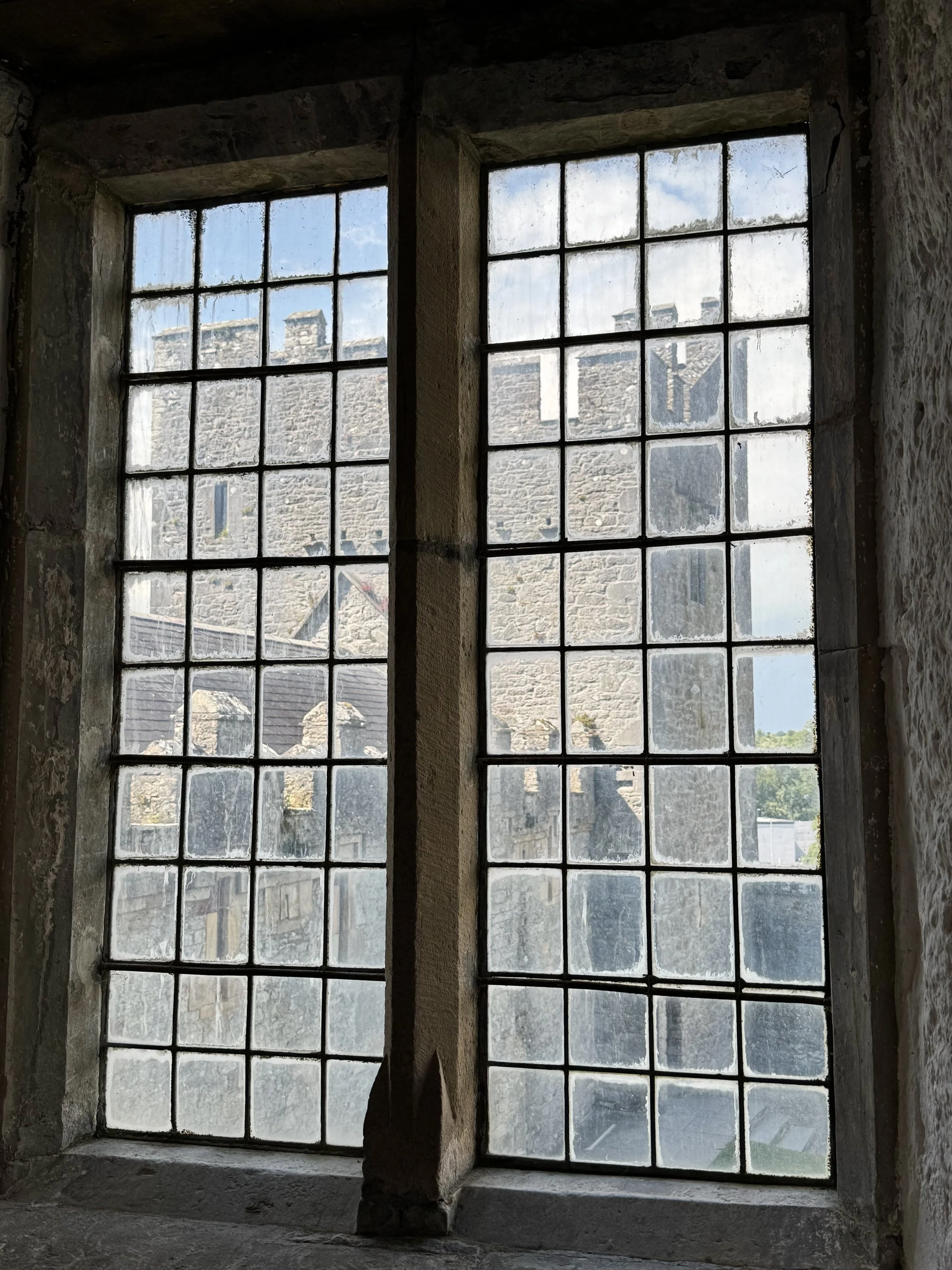
Cahir Castle
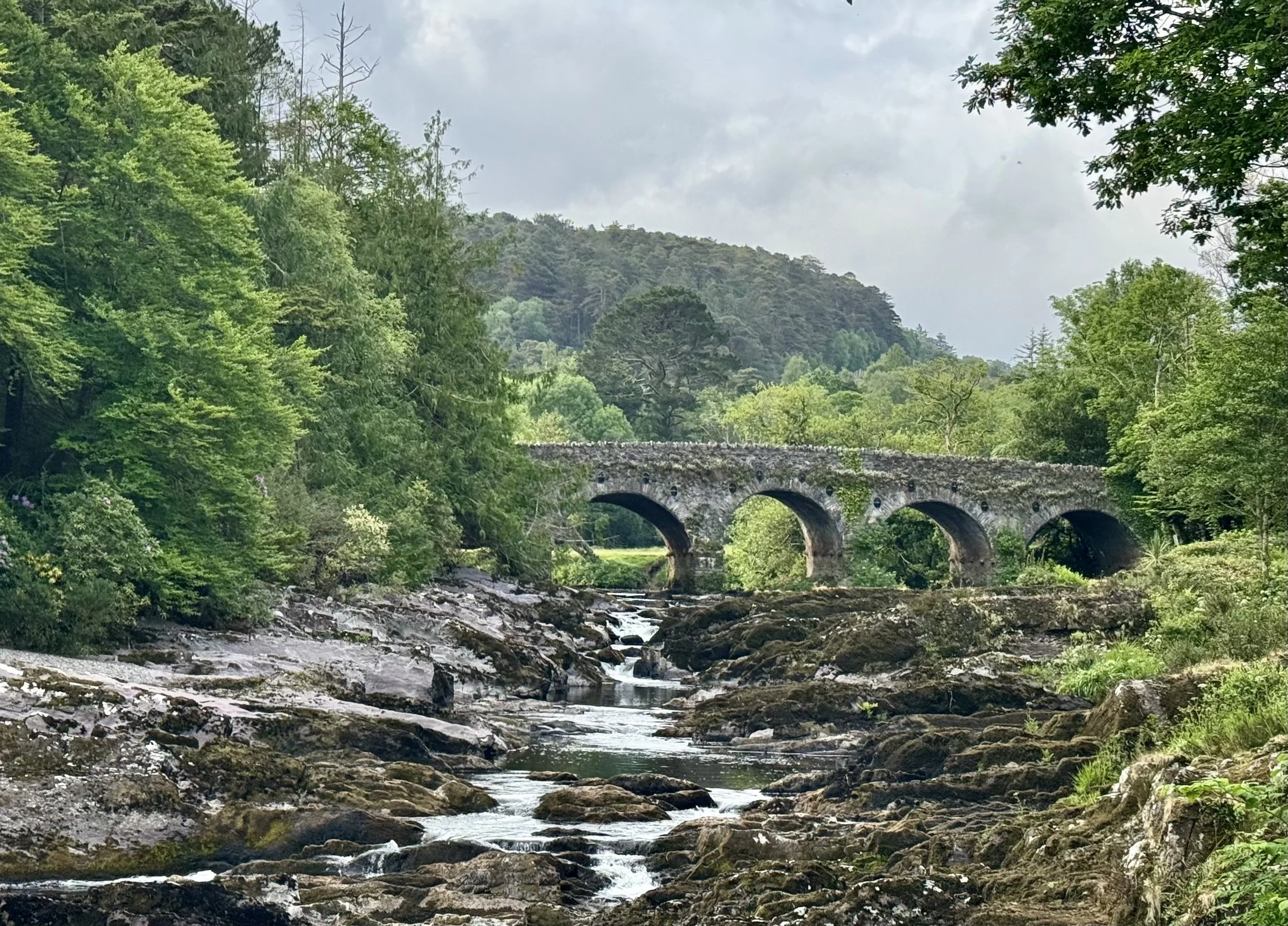
Kenmare in Kerry County
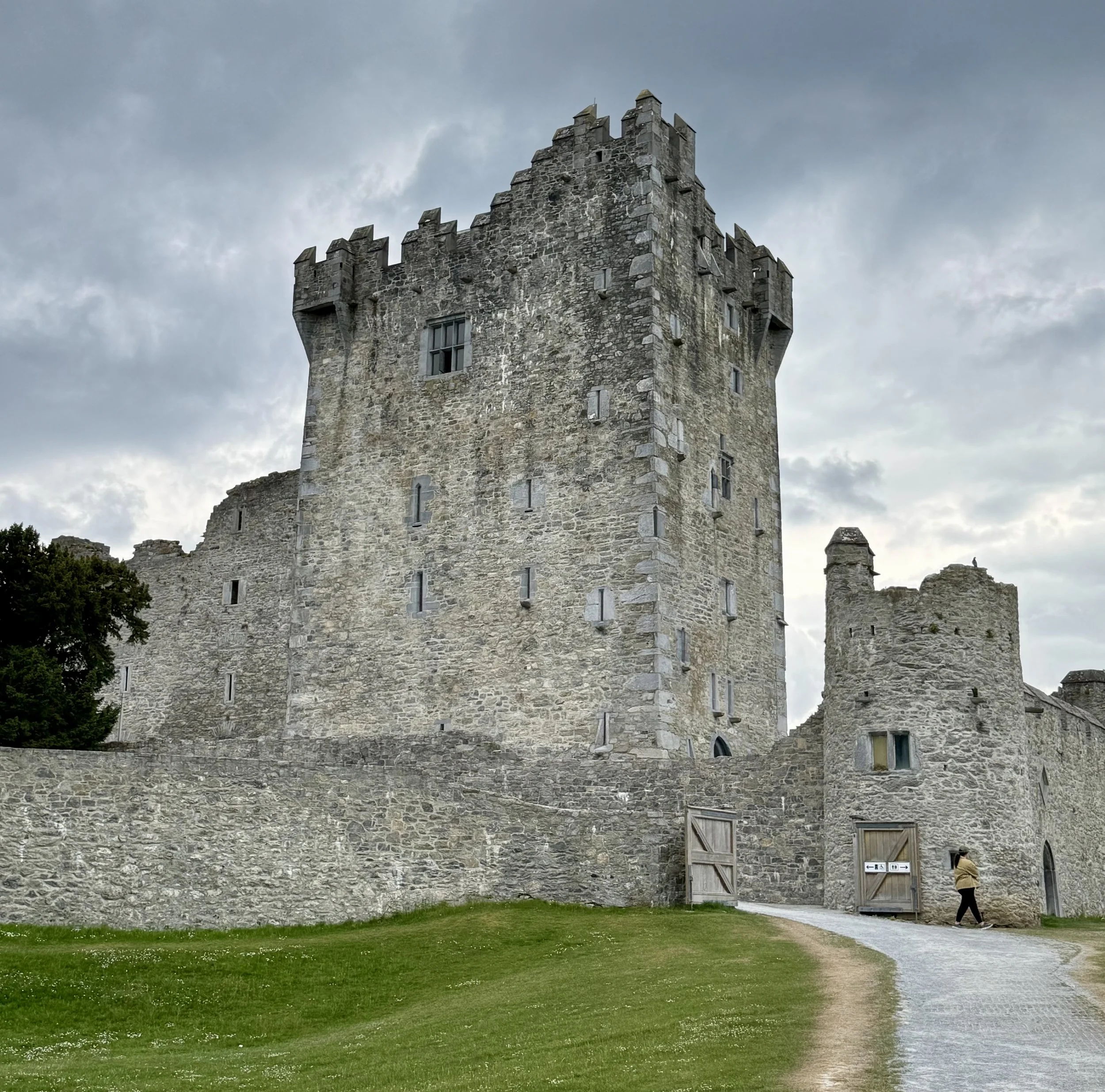
Ross Castle
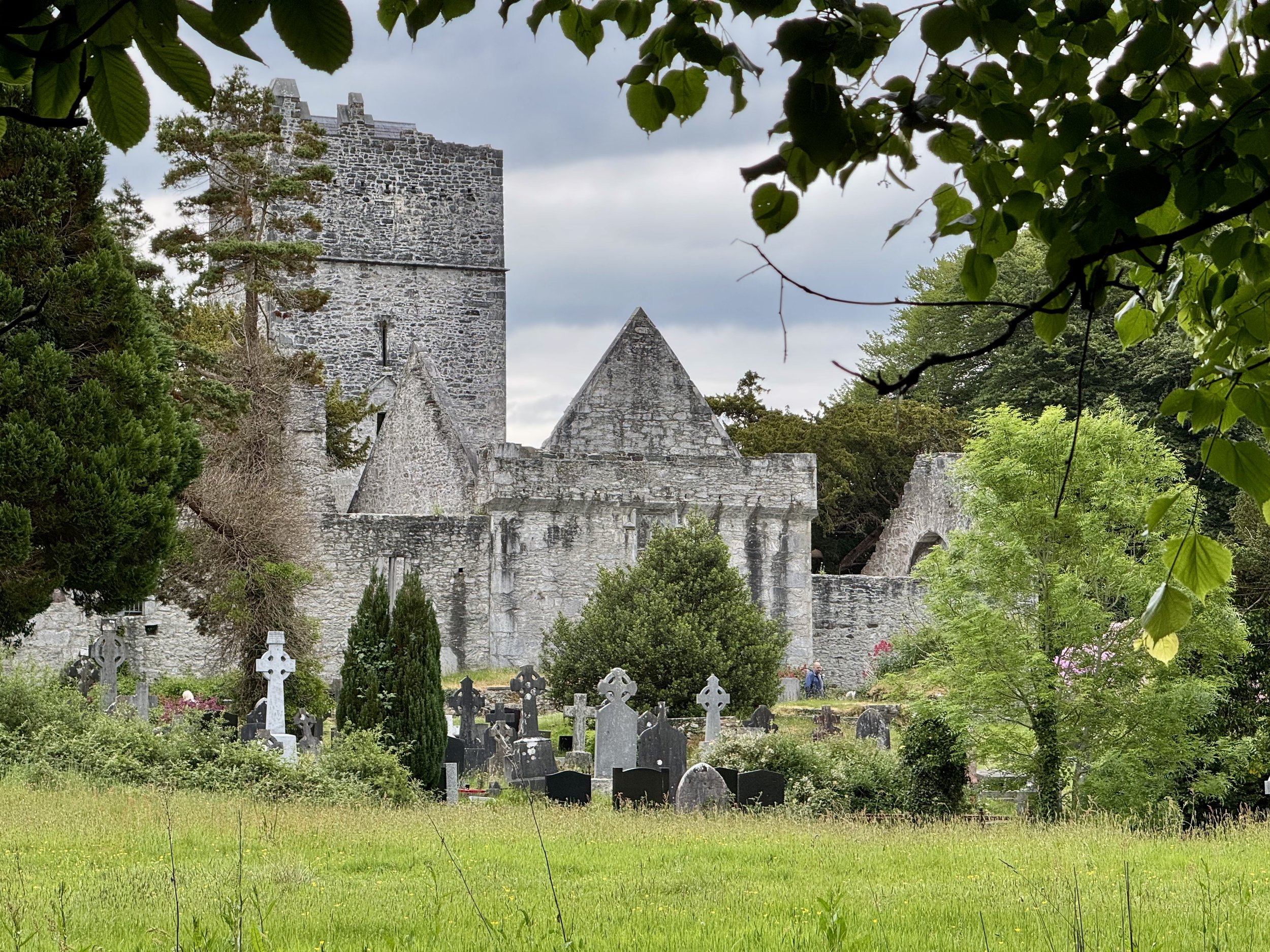
Muckross Abbey is a Franciscan friary located in the Killarney National Park
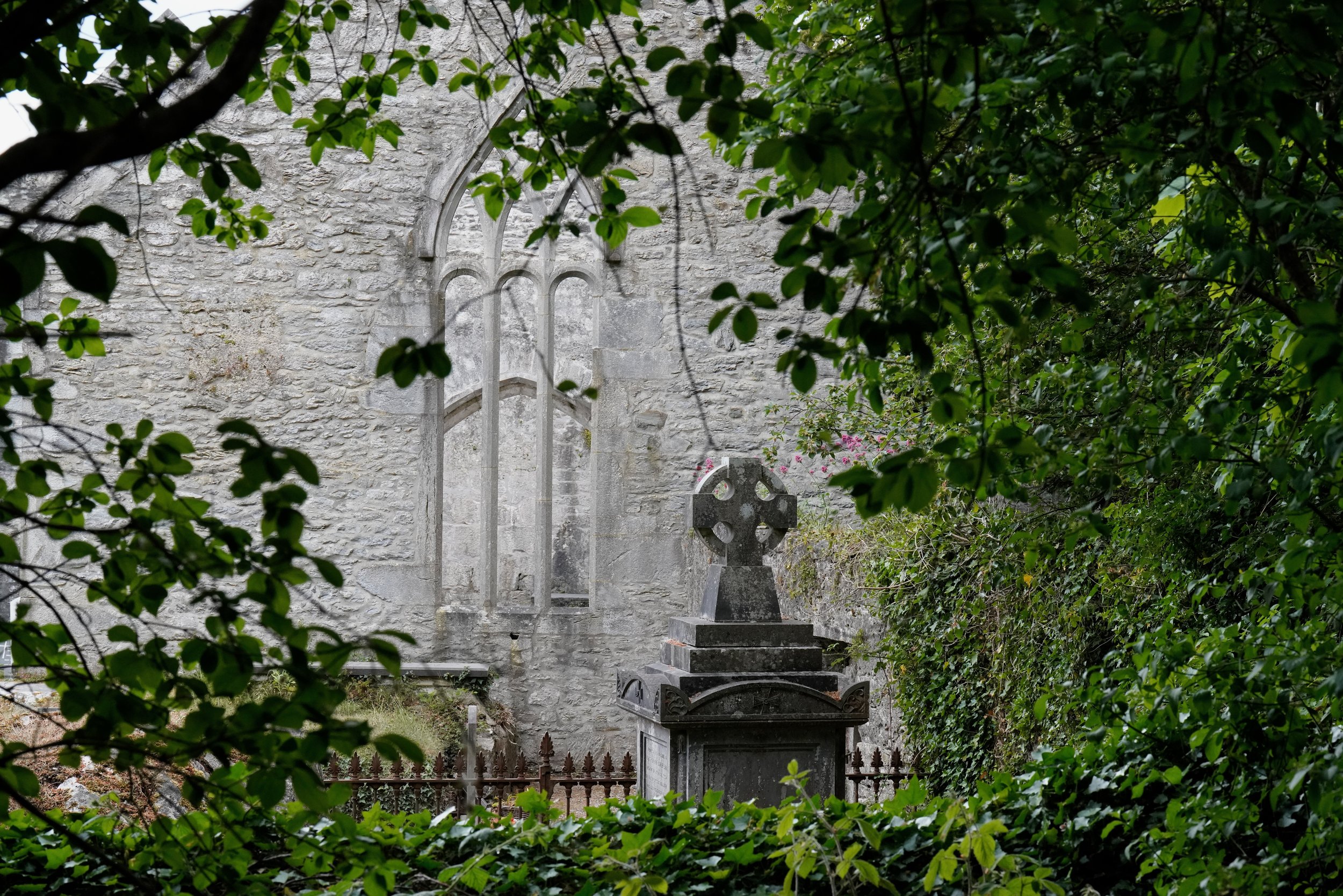
Muckross Abbey
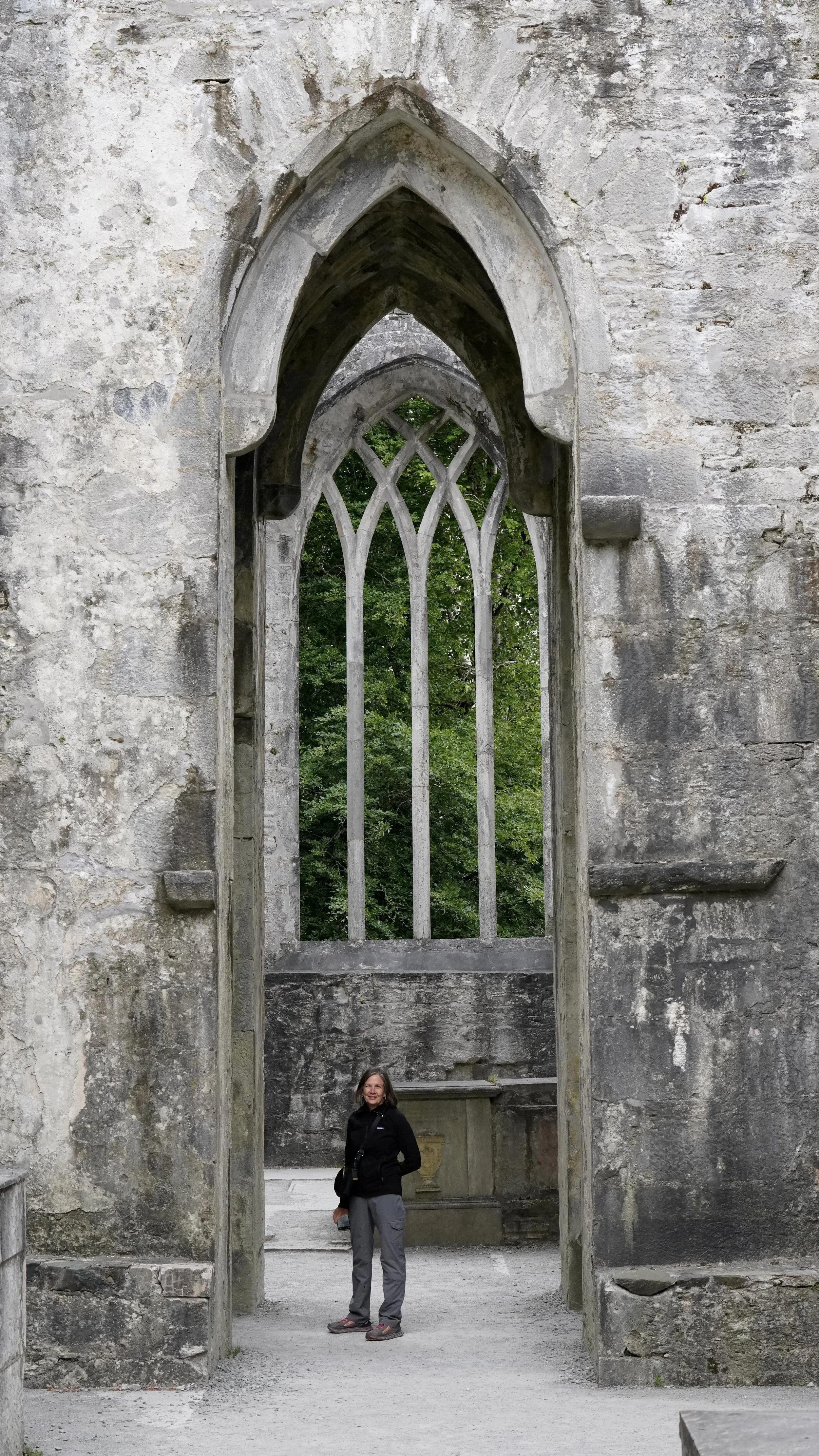
Muckross Abbey
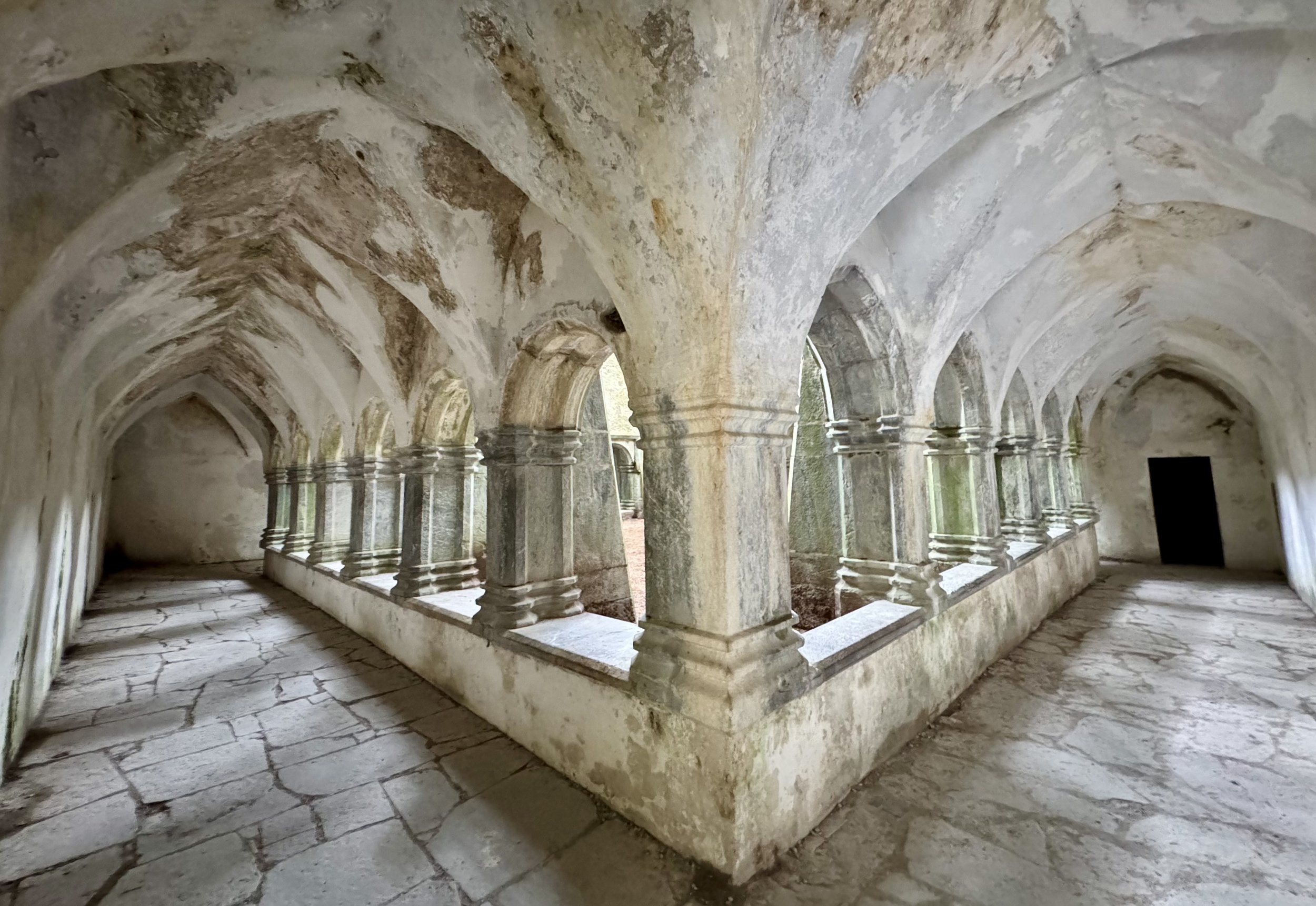
Muckross Abbey
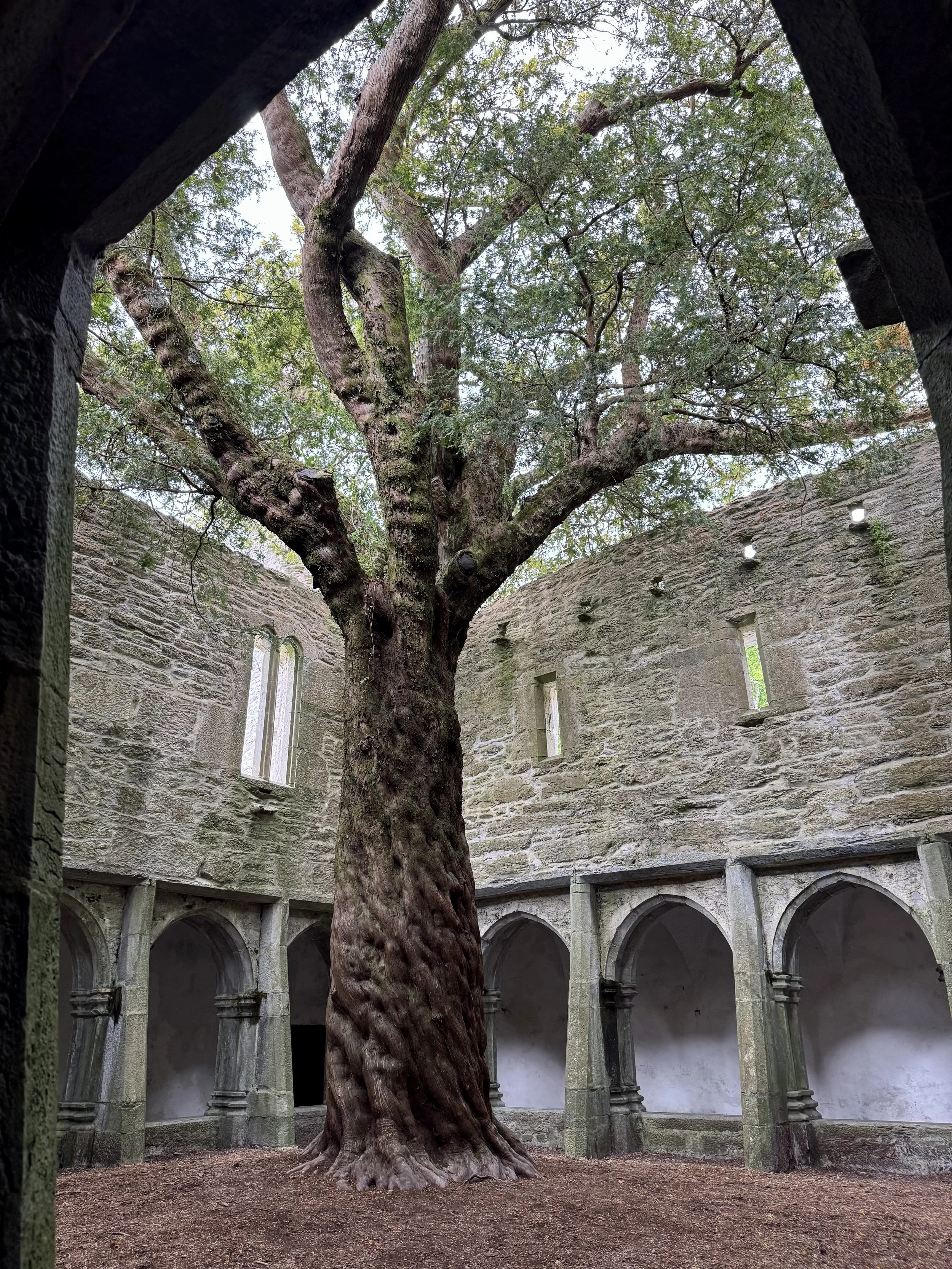
Muckross Abbey
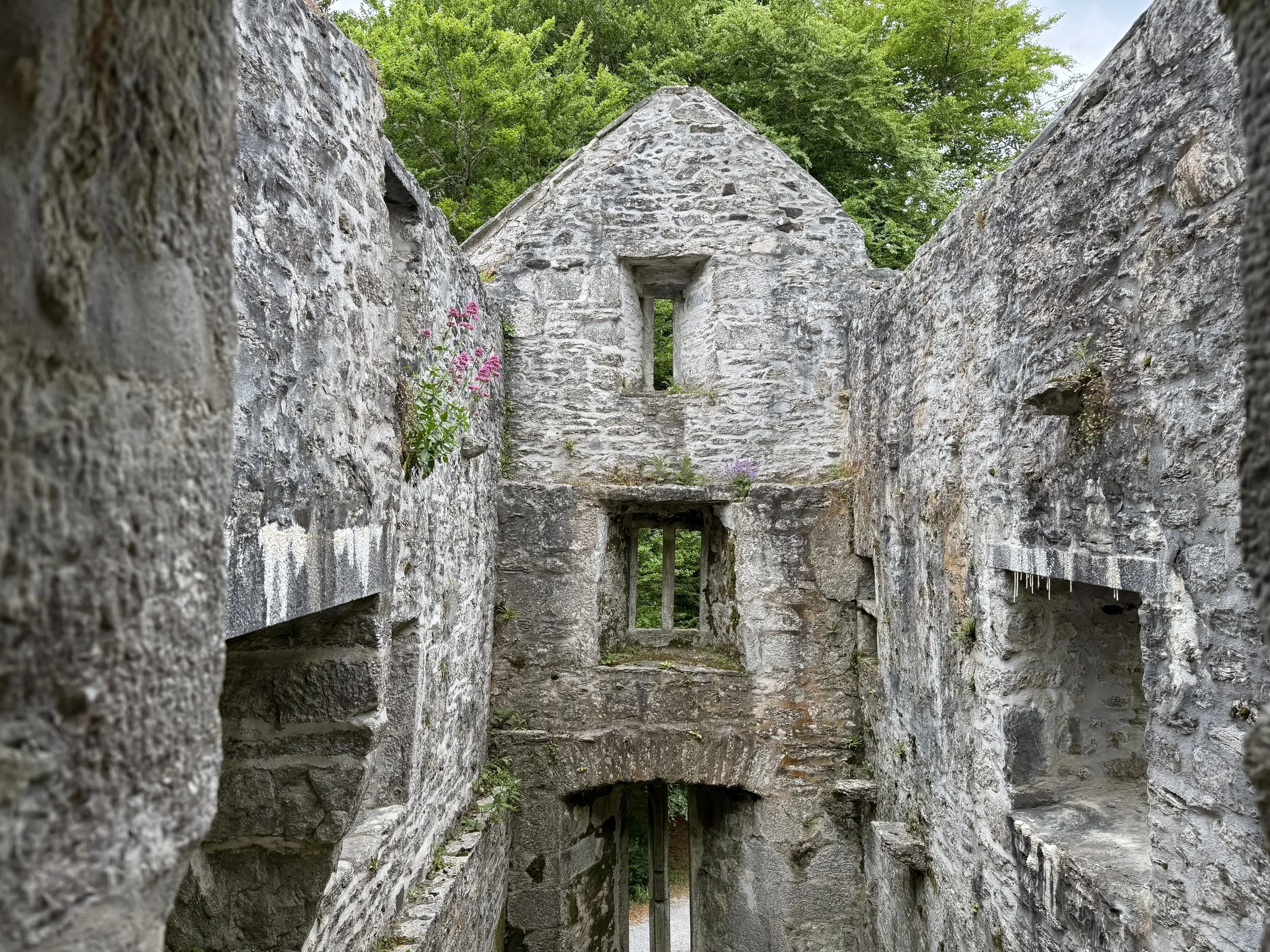
Muckross Abbey
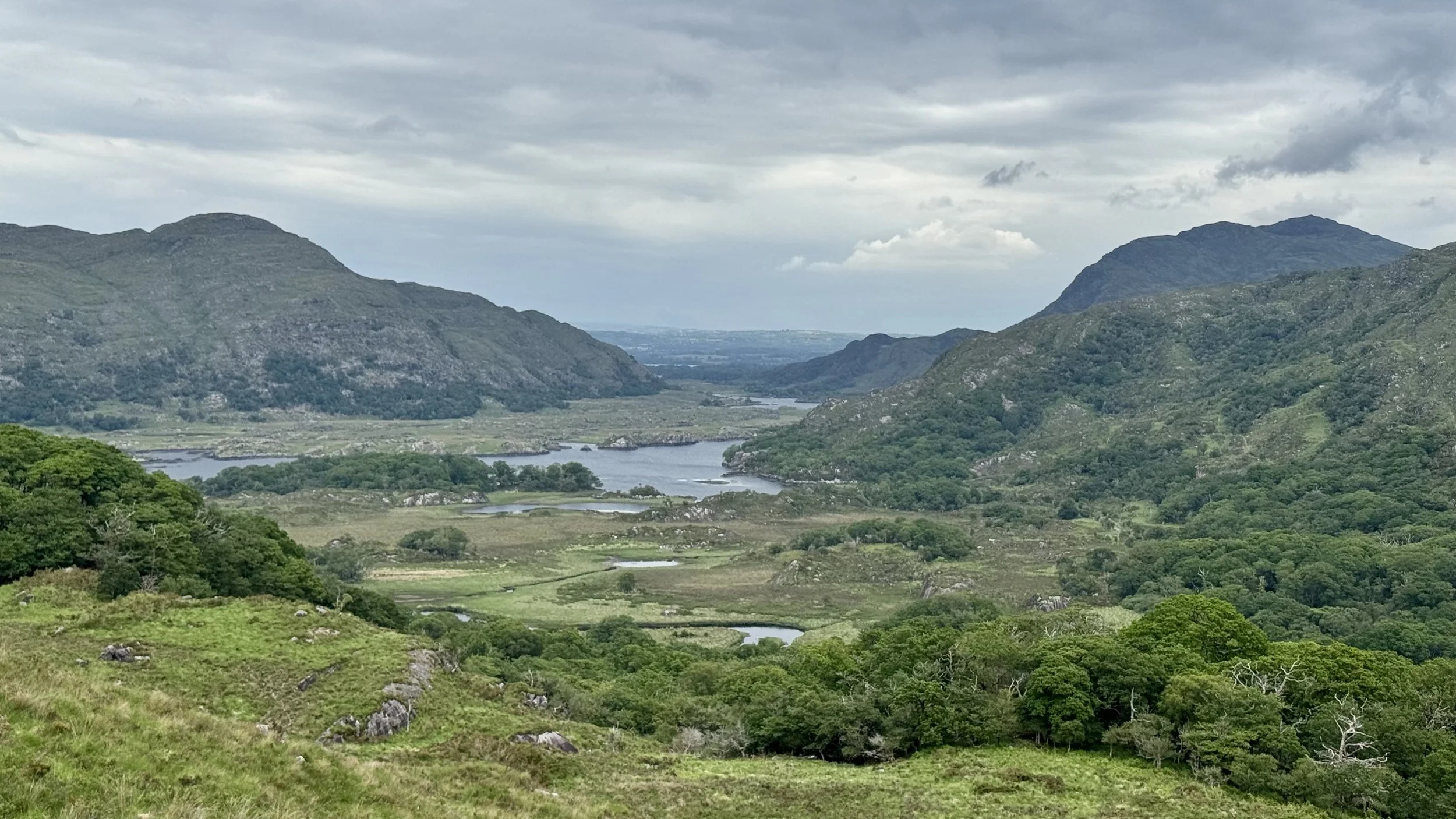
Driving view in Killarney National Park
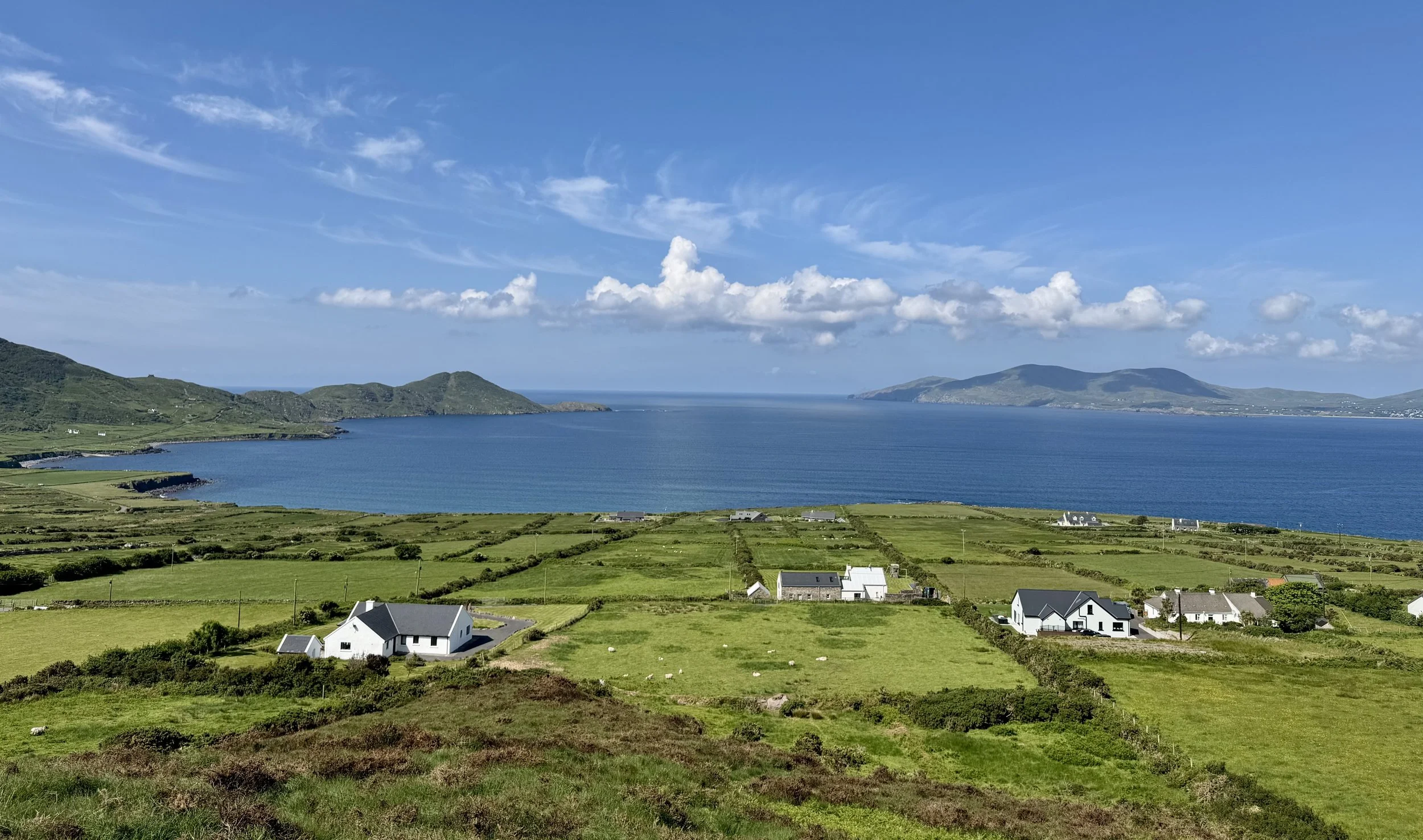
Ring of Kerry coastal drive looping around the Iveragh Peninsula in County Kerry
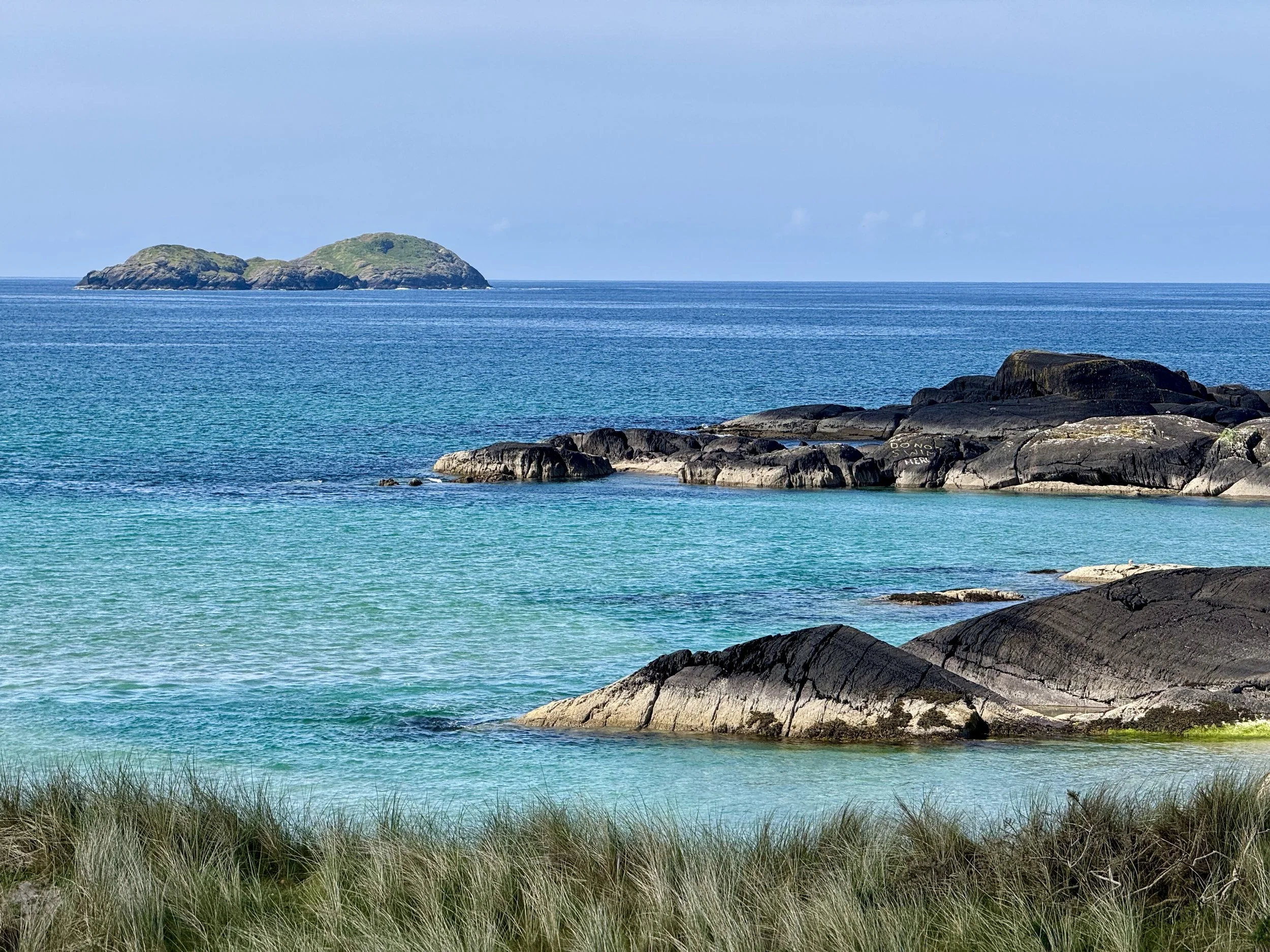
Ring of Kerry
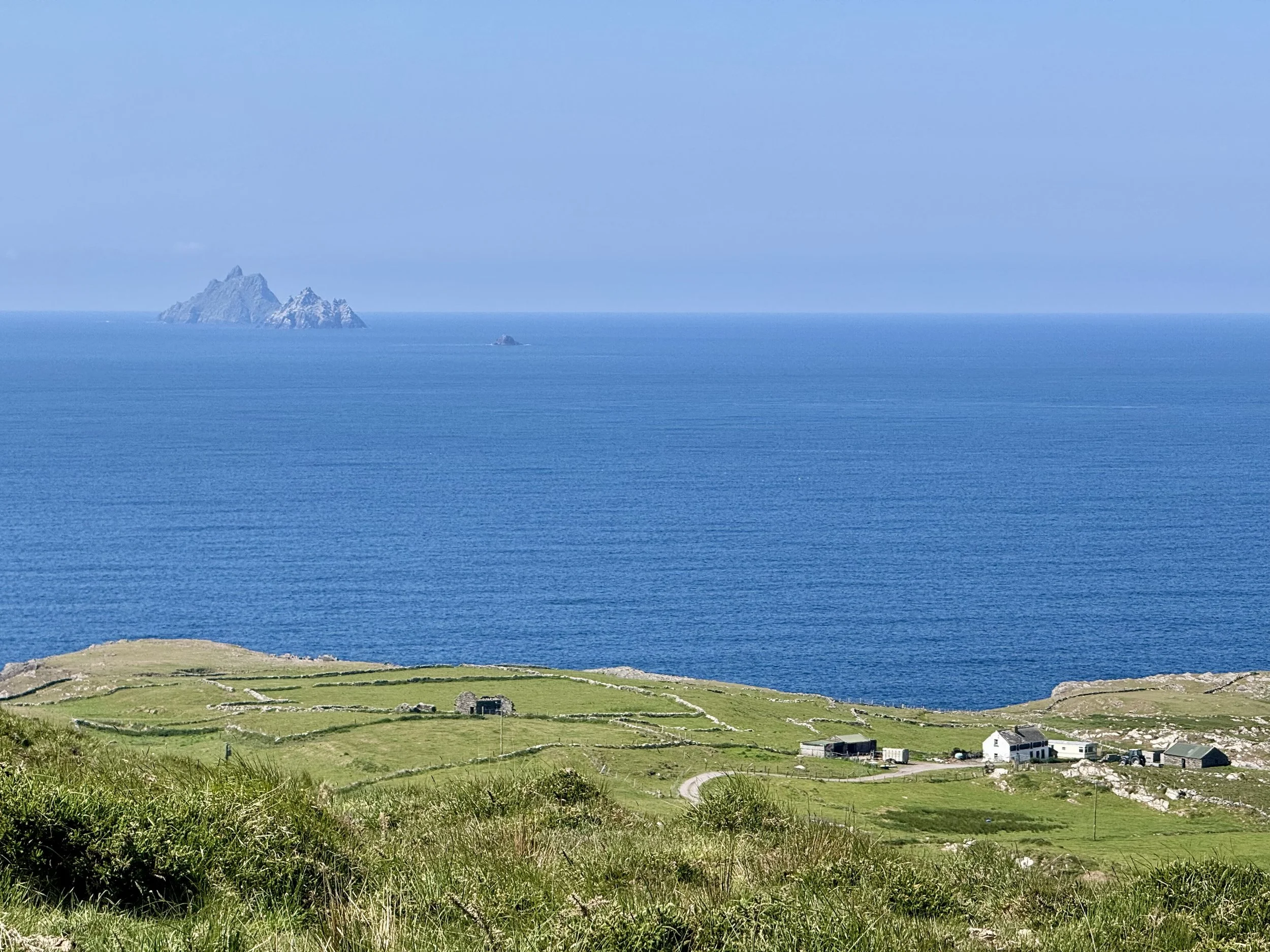
Ring of Kerry view toward Skellig Islands. Dramatic, pyramid-shaped rocky crags
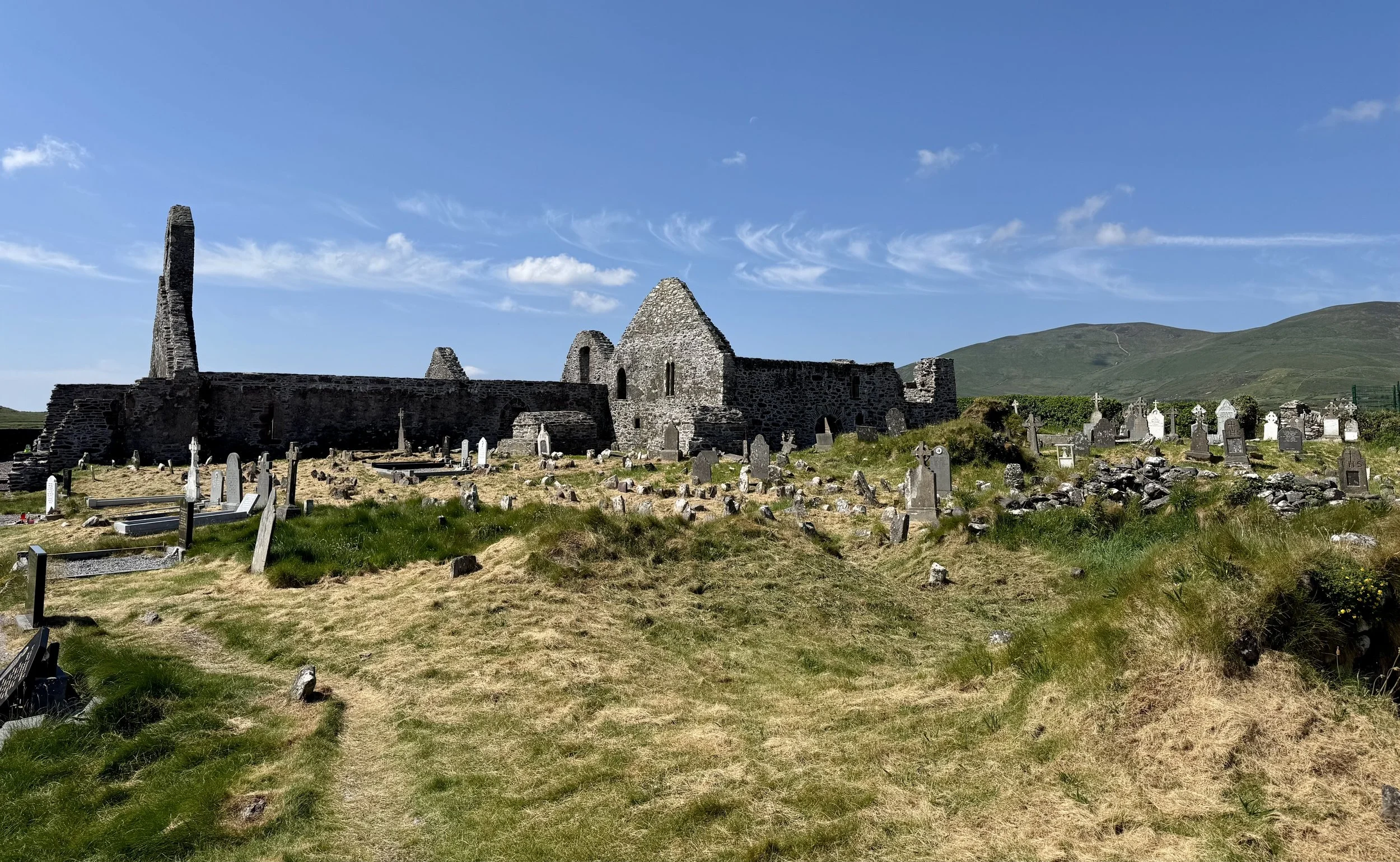
Ballinskelligs Abbey - 12th - 13th Century
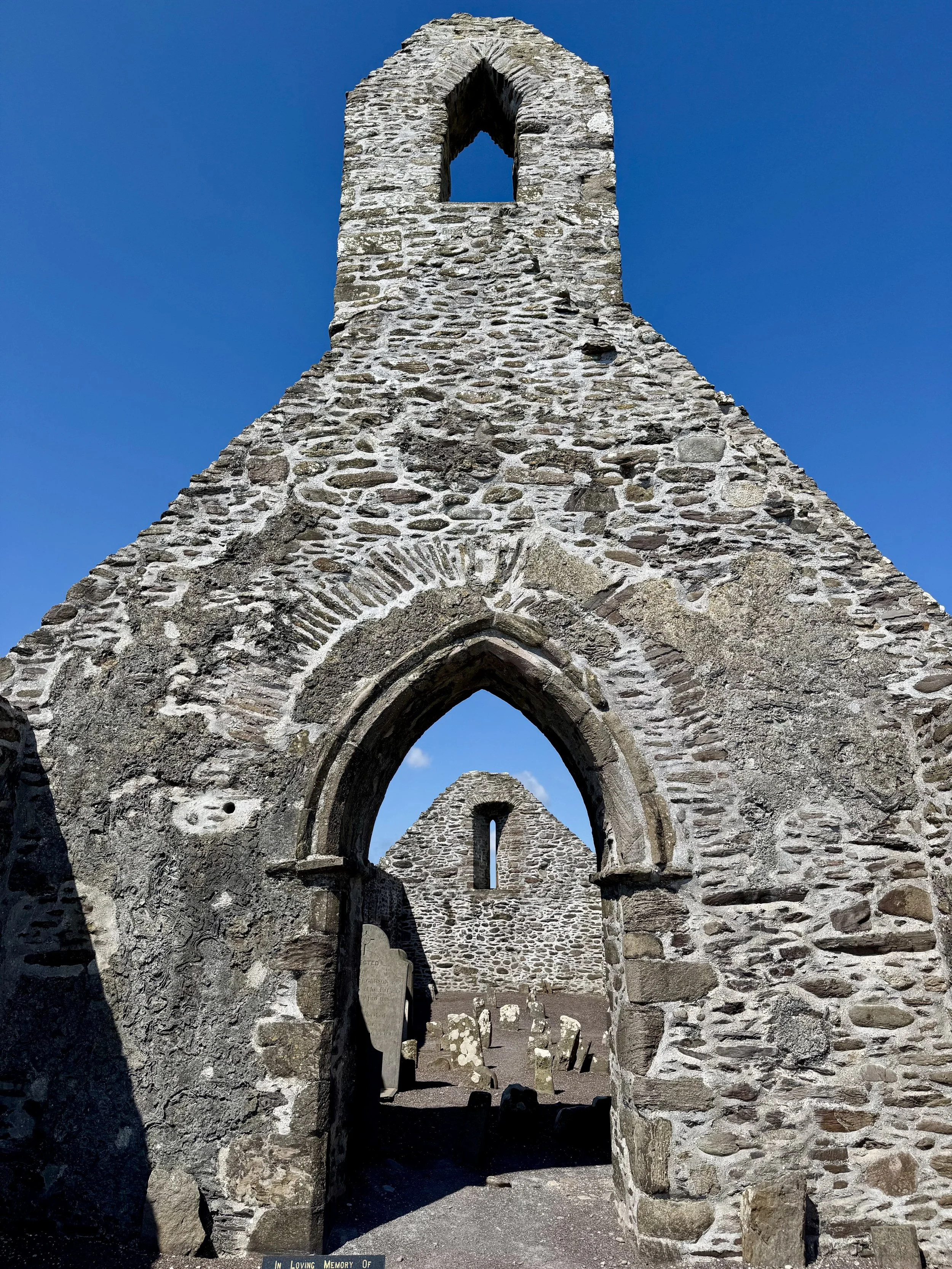
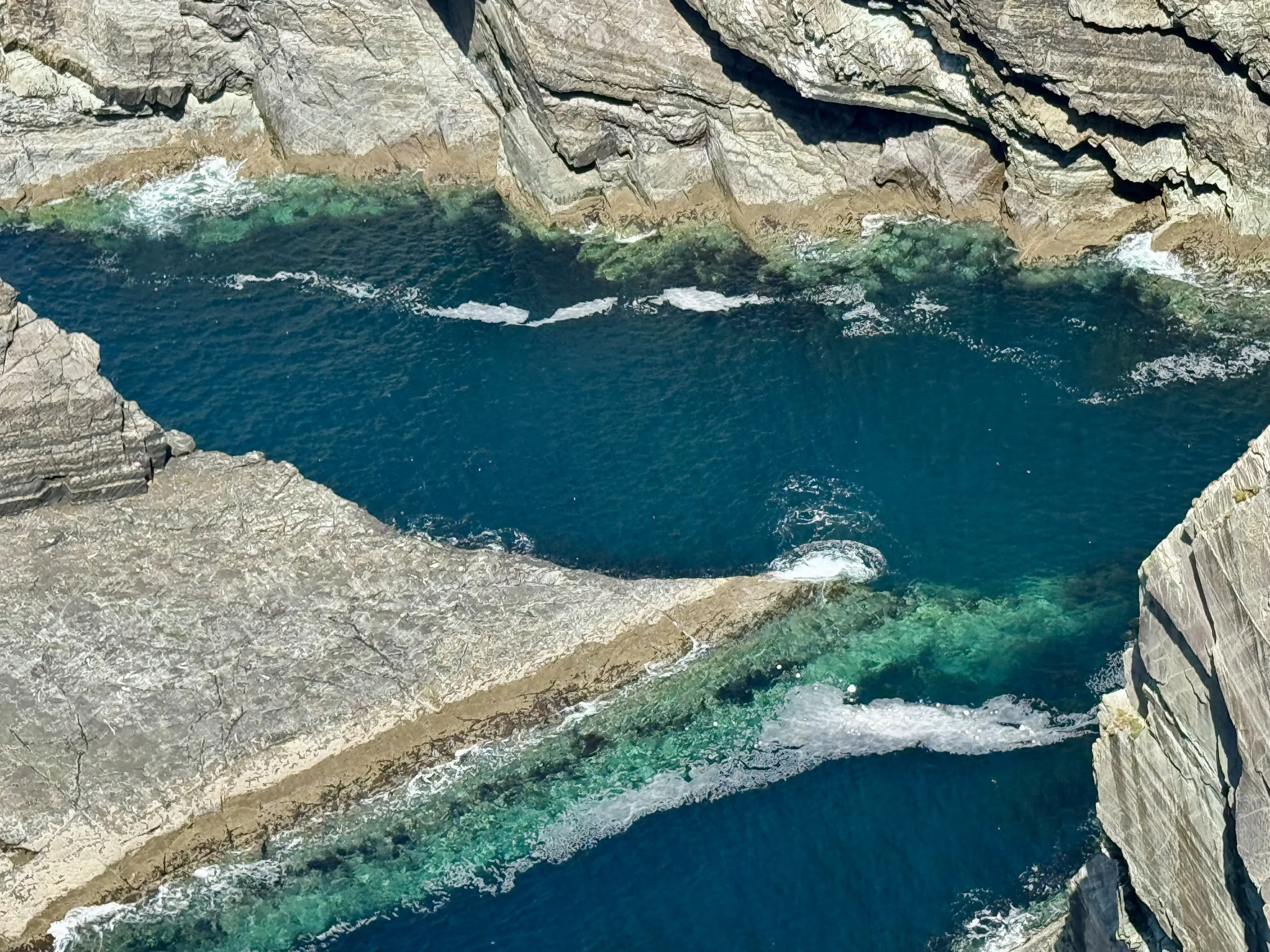
Ring of Kerry
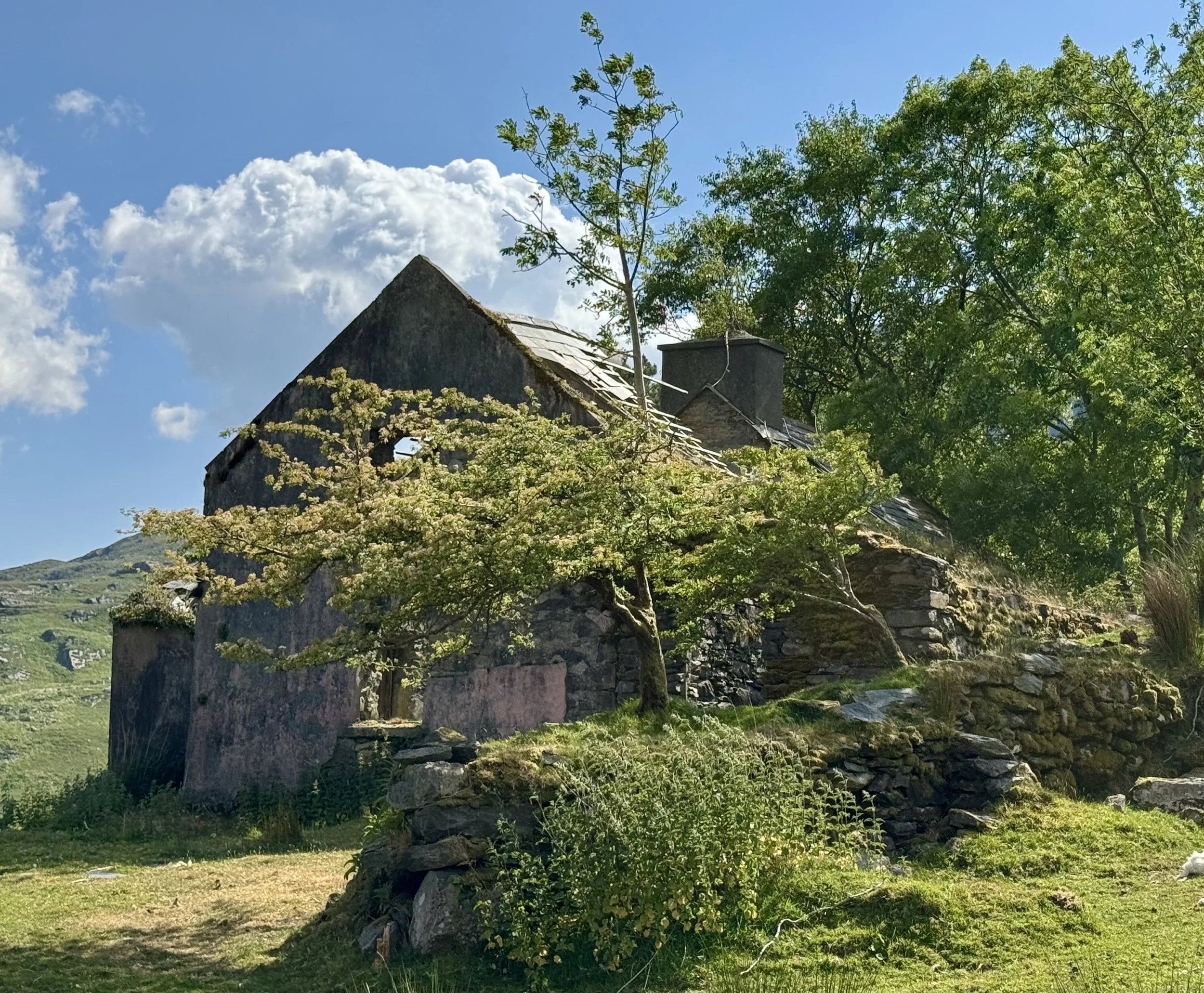
Ring of Kerry
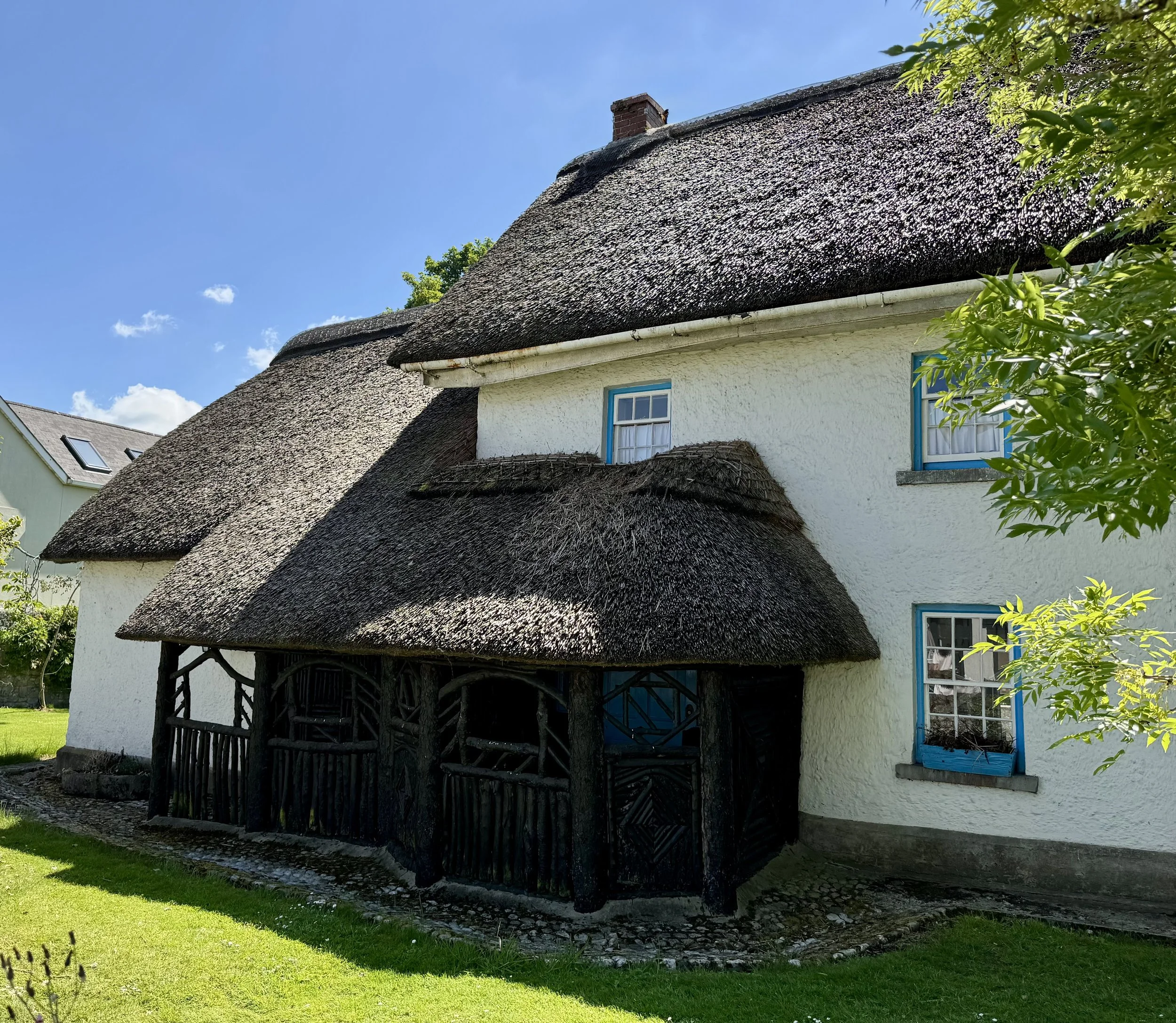
Adare Irish cottage
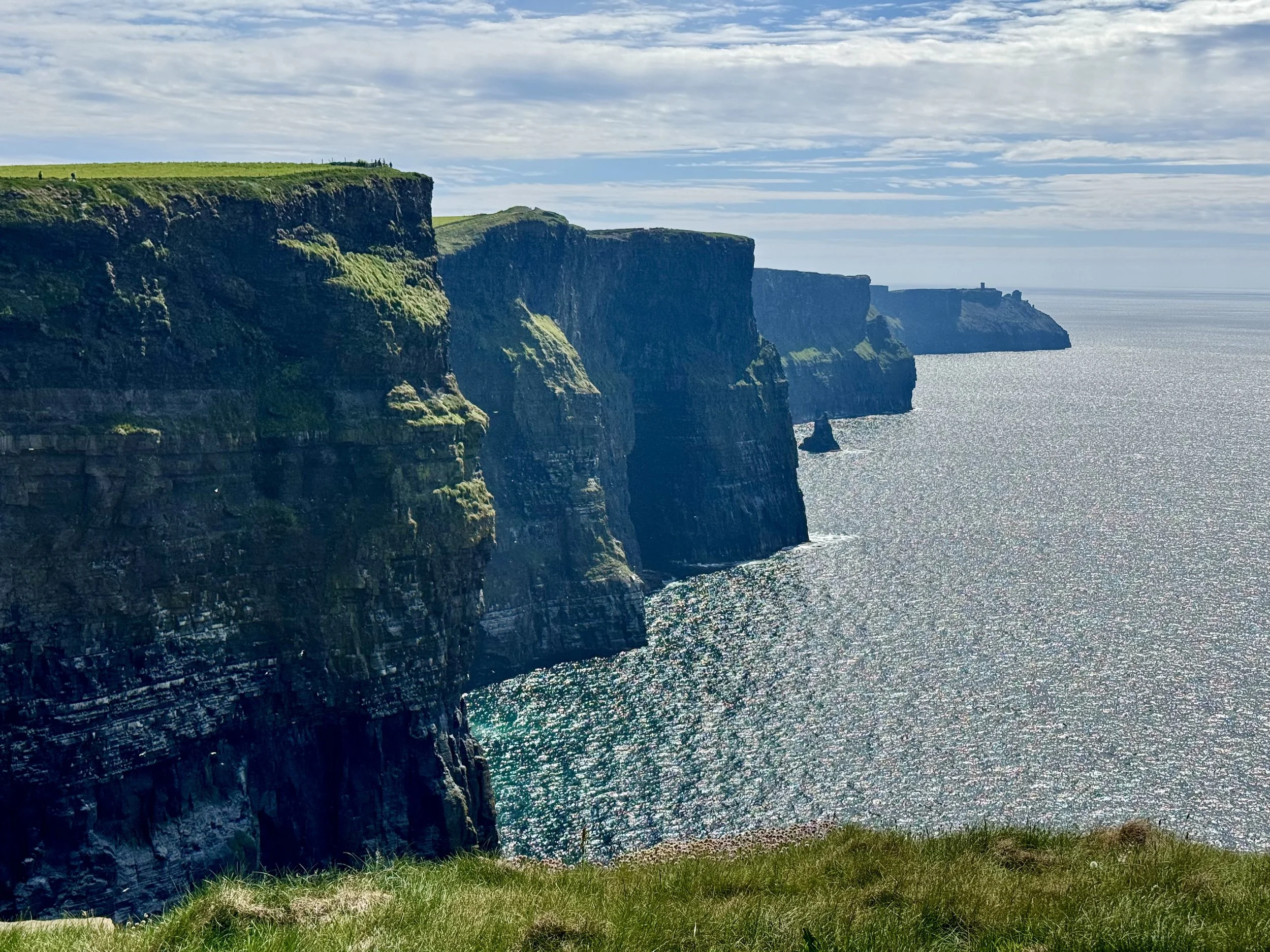
Cliffs of Moher
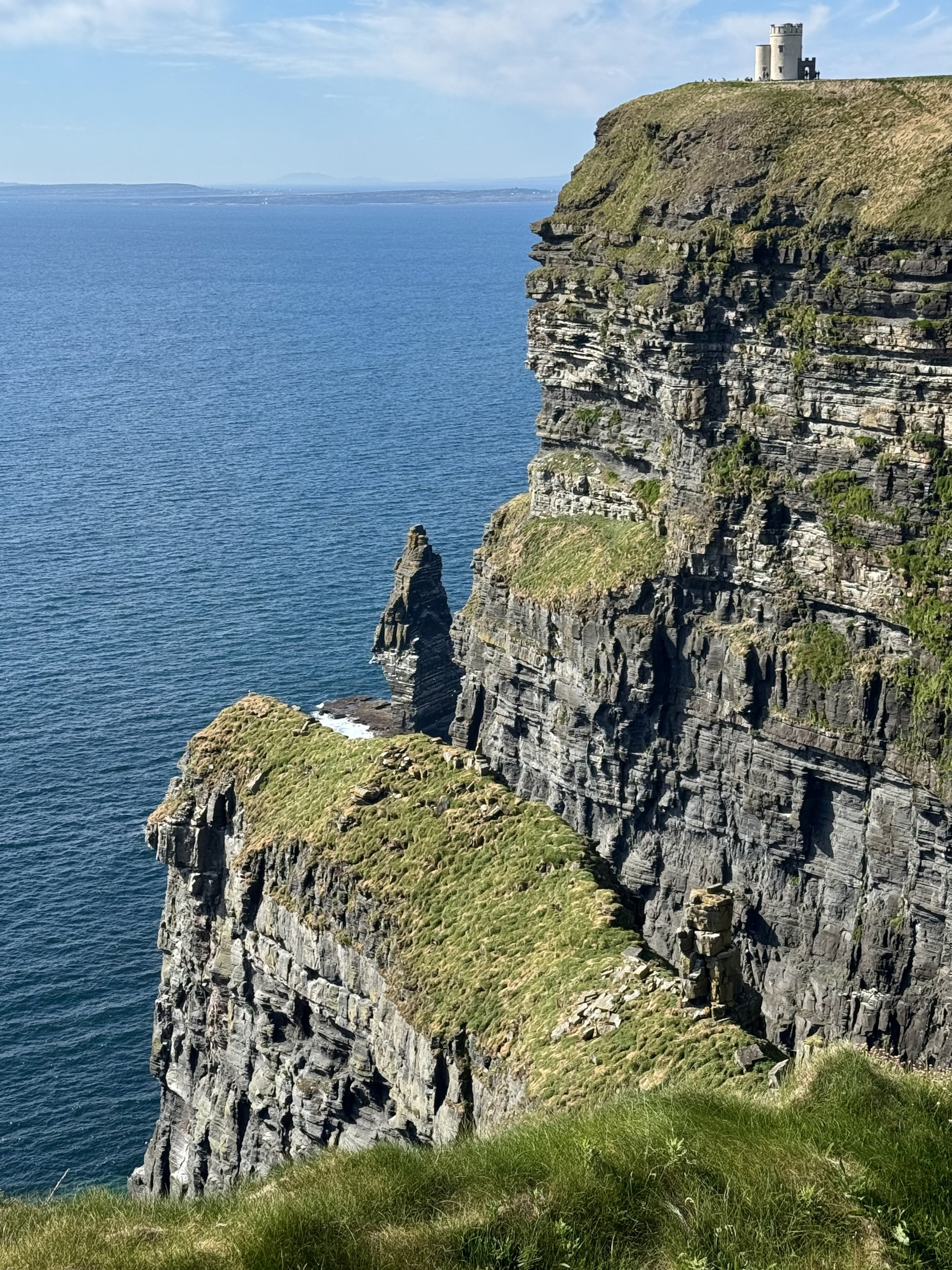
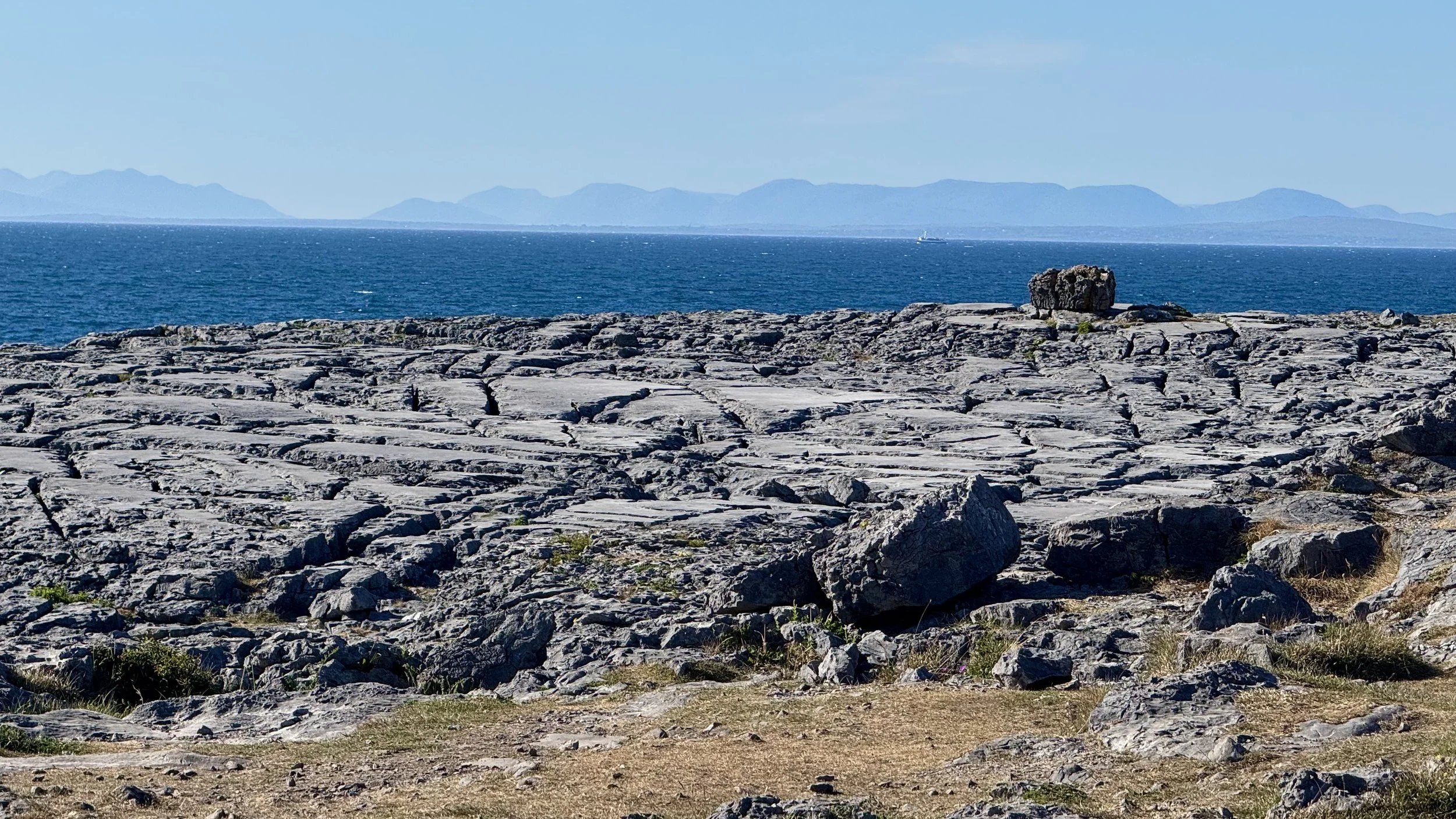
Ballyryan
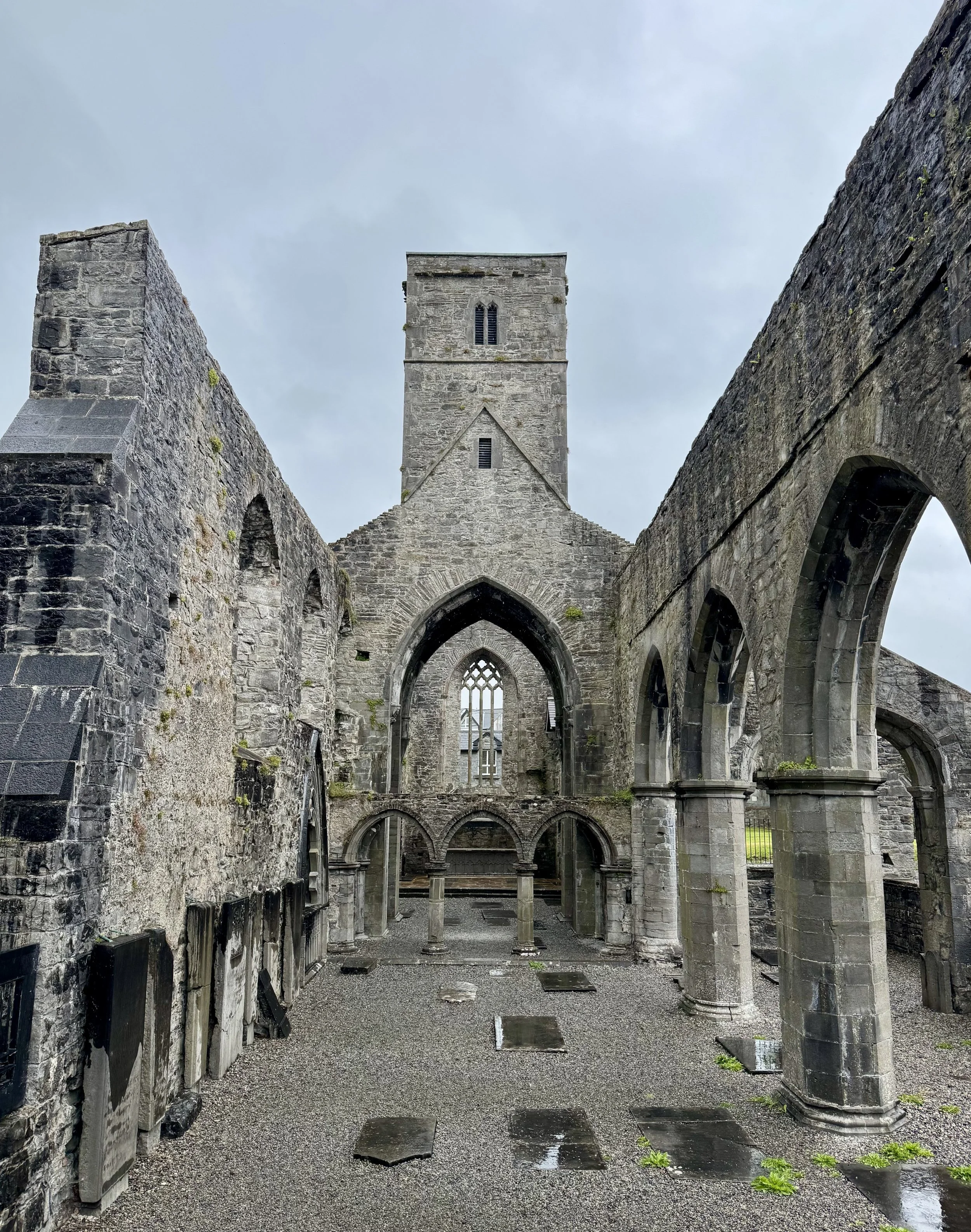
Sligo Abbey
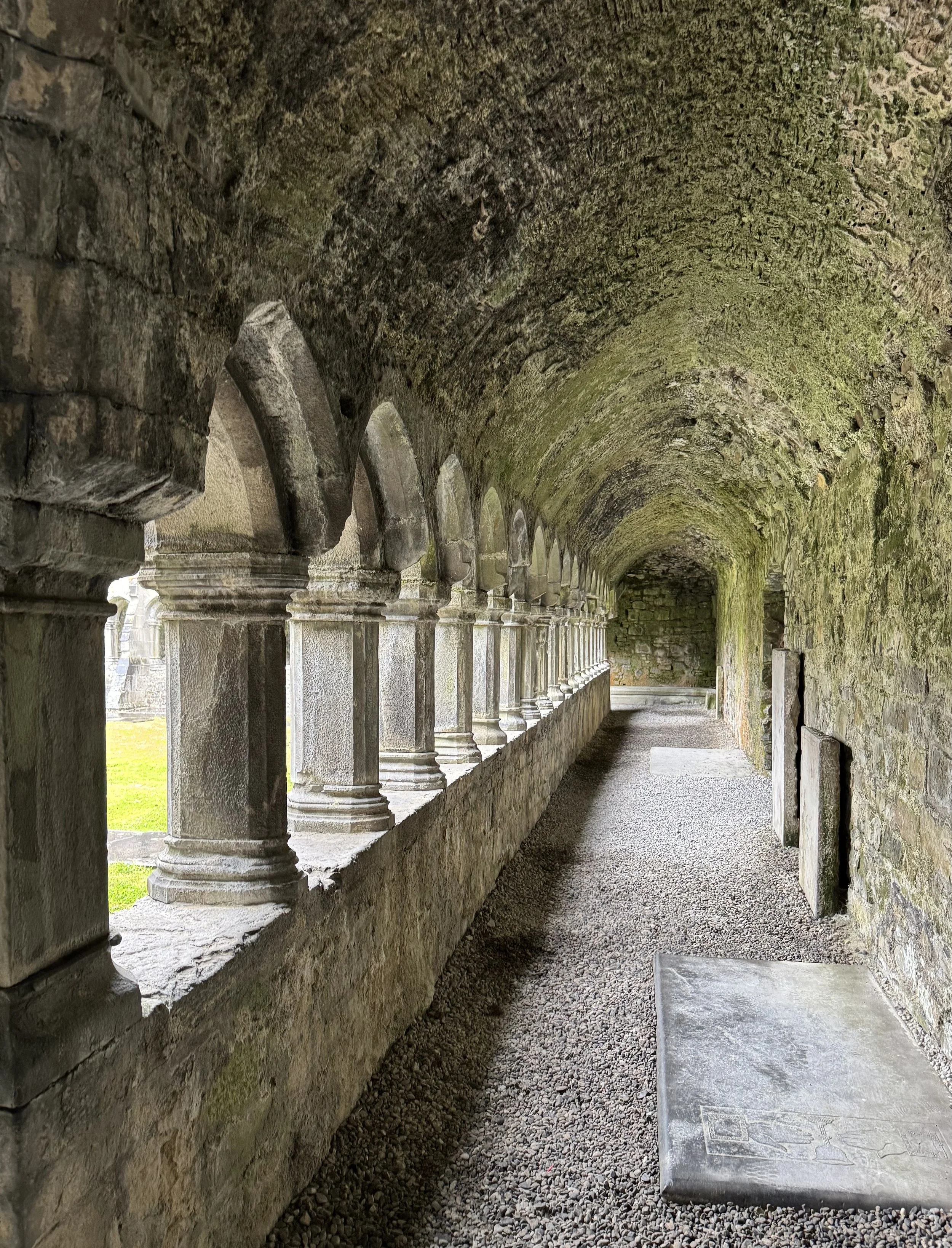
Sligo Abbey
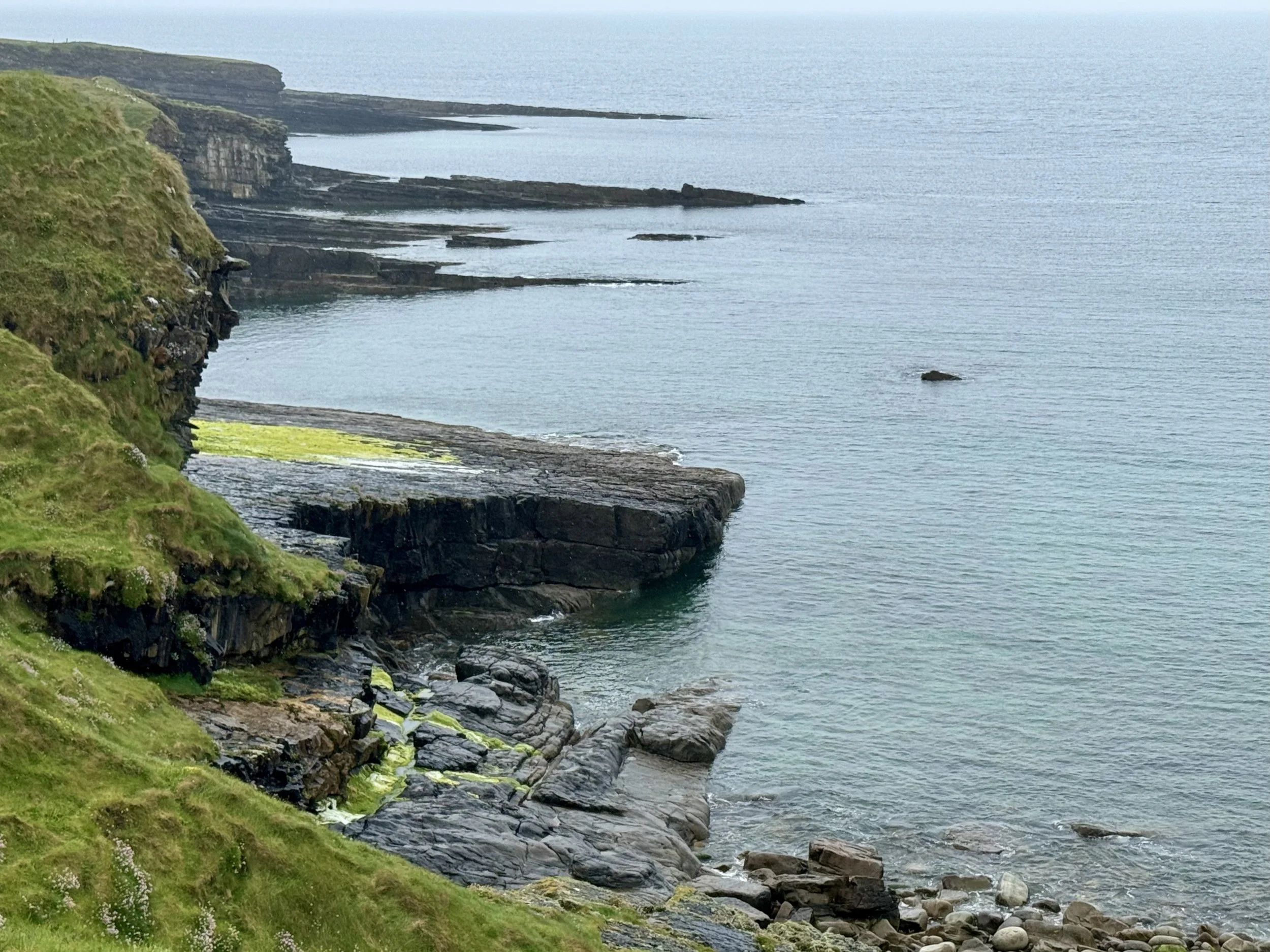
Mullaghmore peninsula
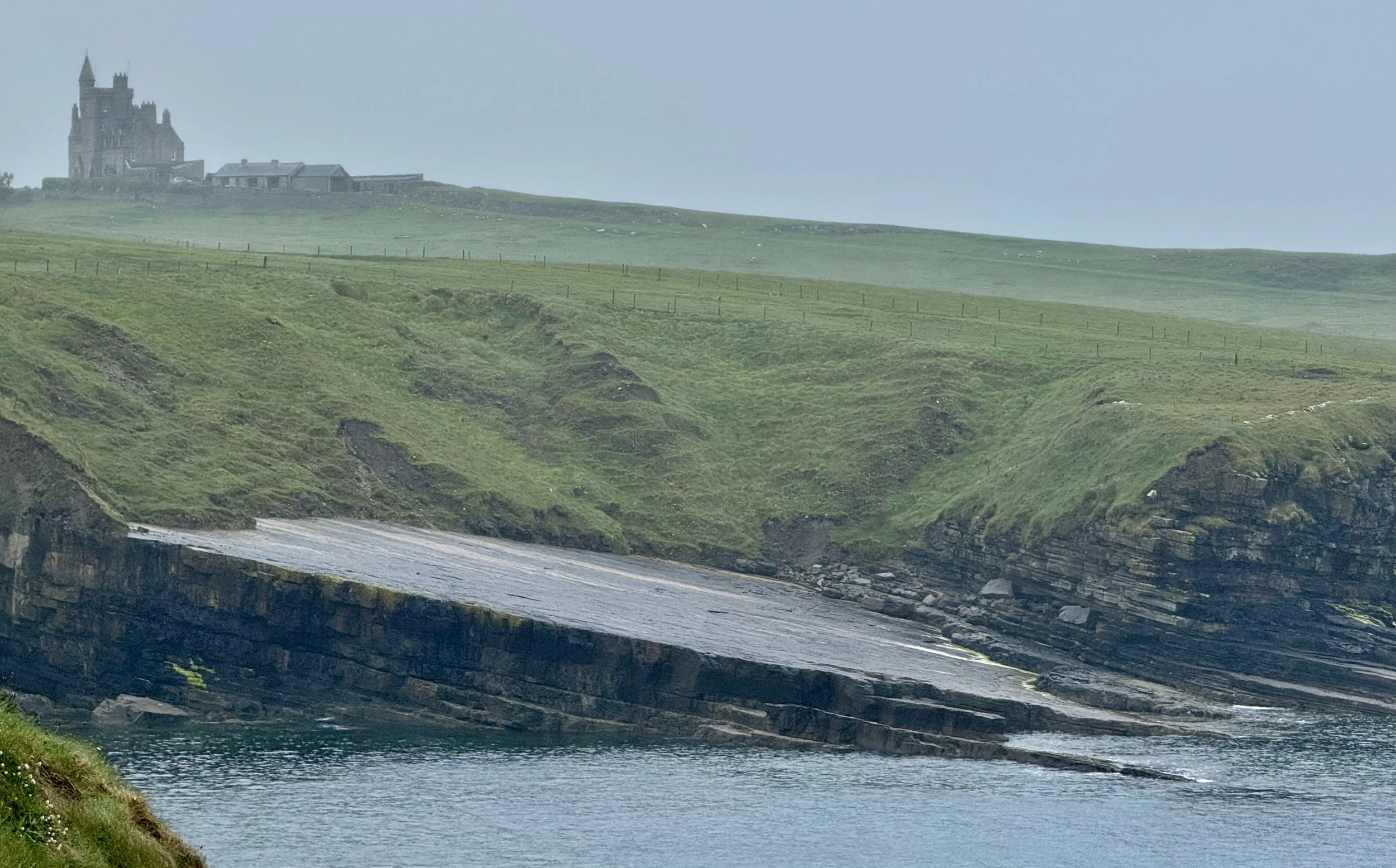
Classiebawn castle on Mullaghmore peninsula
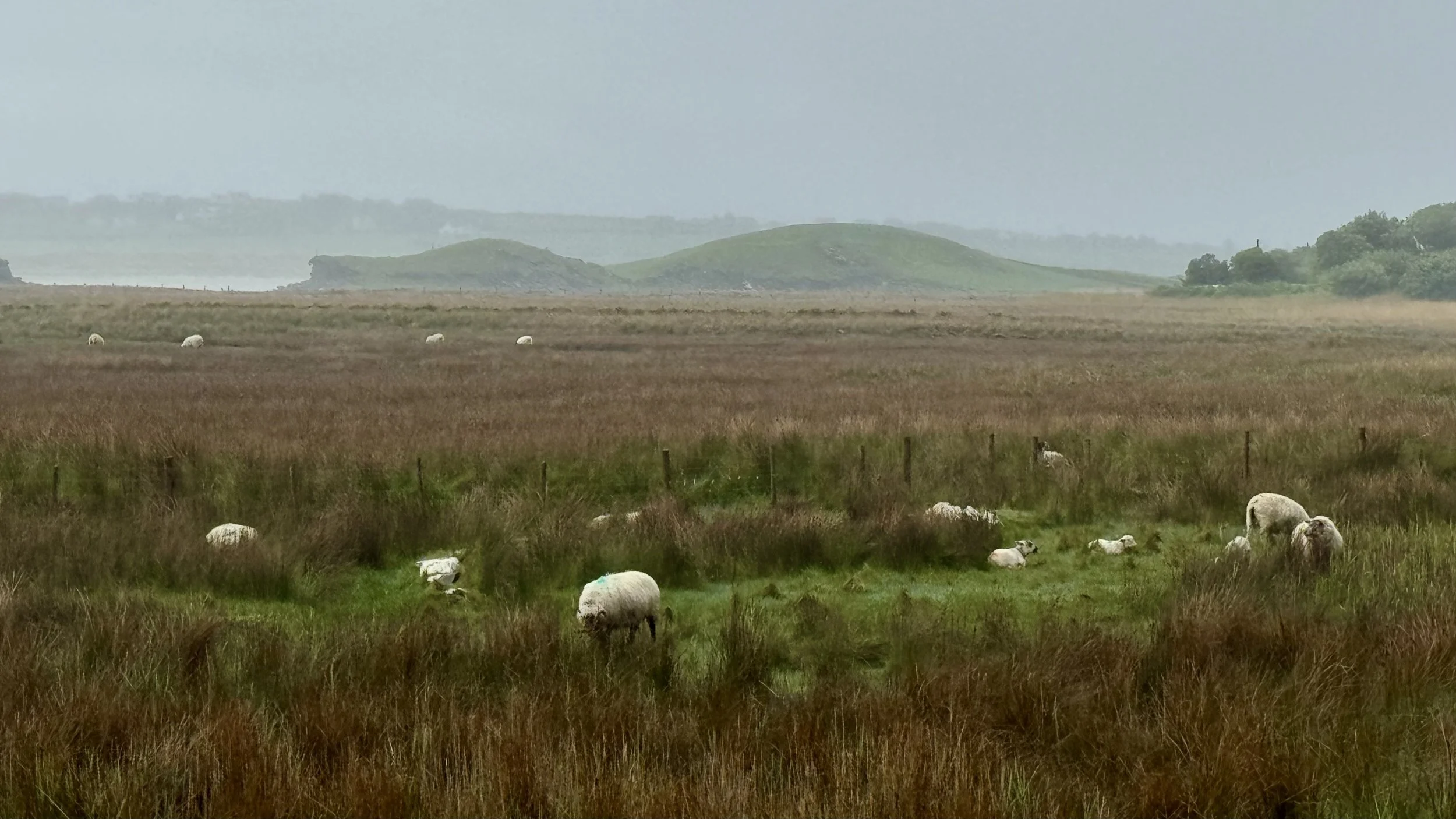
Slive League peninsula
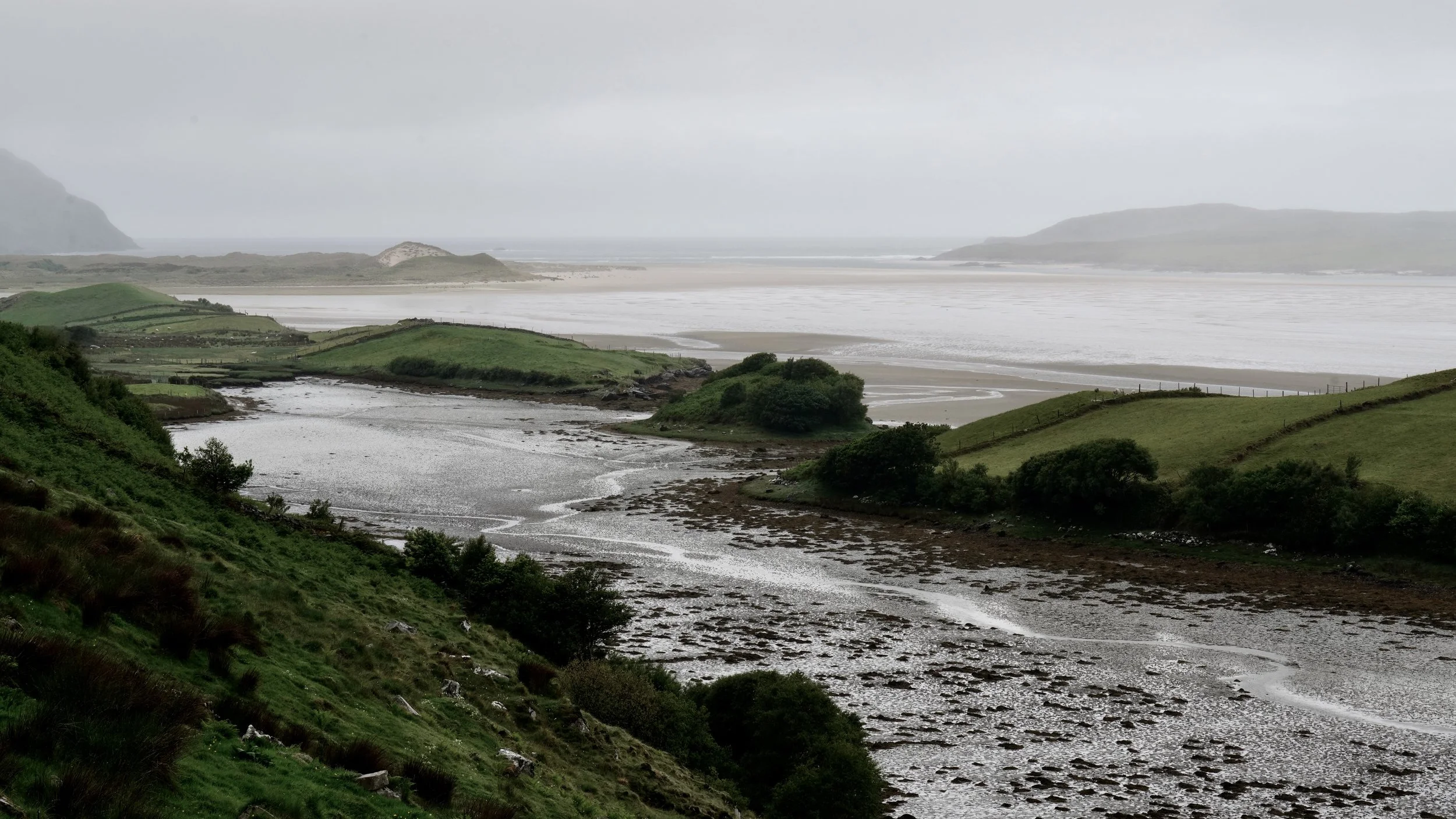
Slive League peninsula
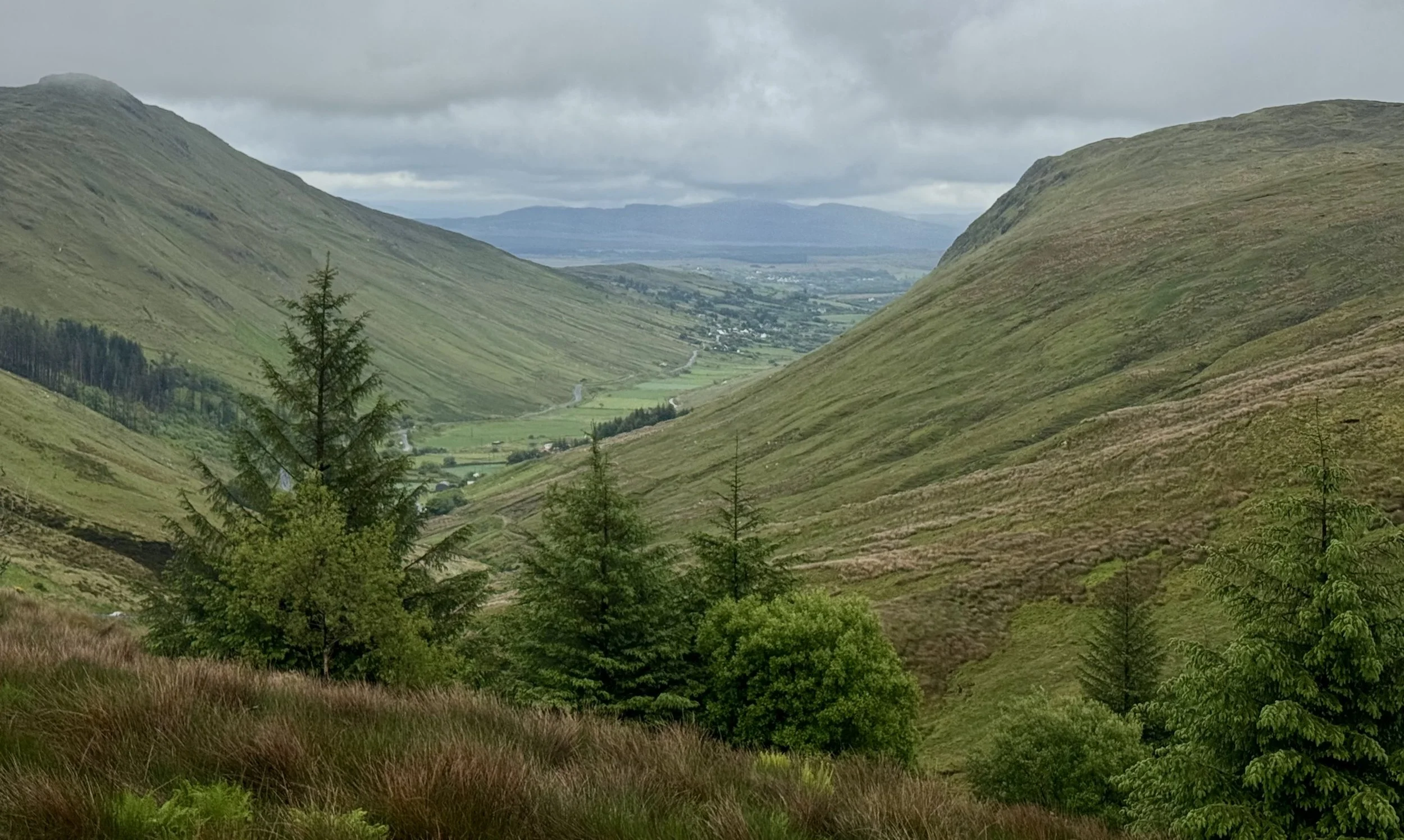
Slive League peninsula
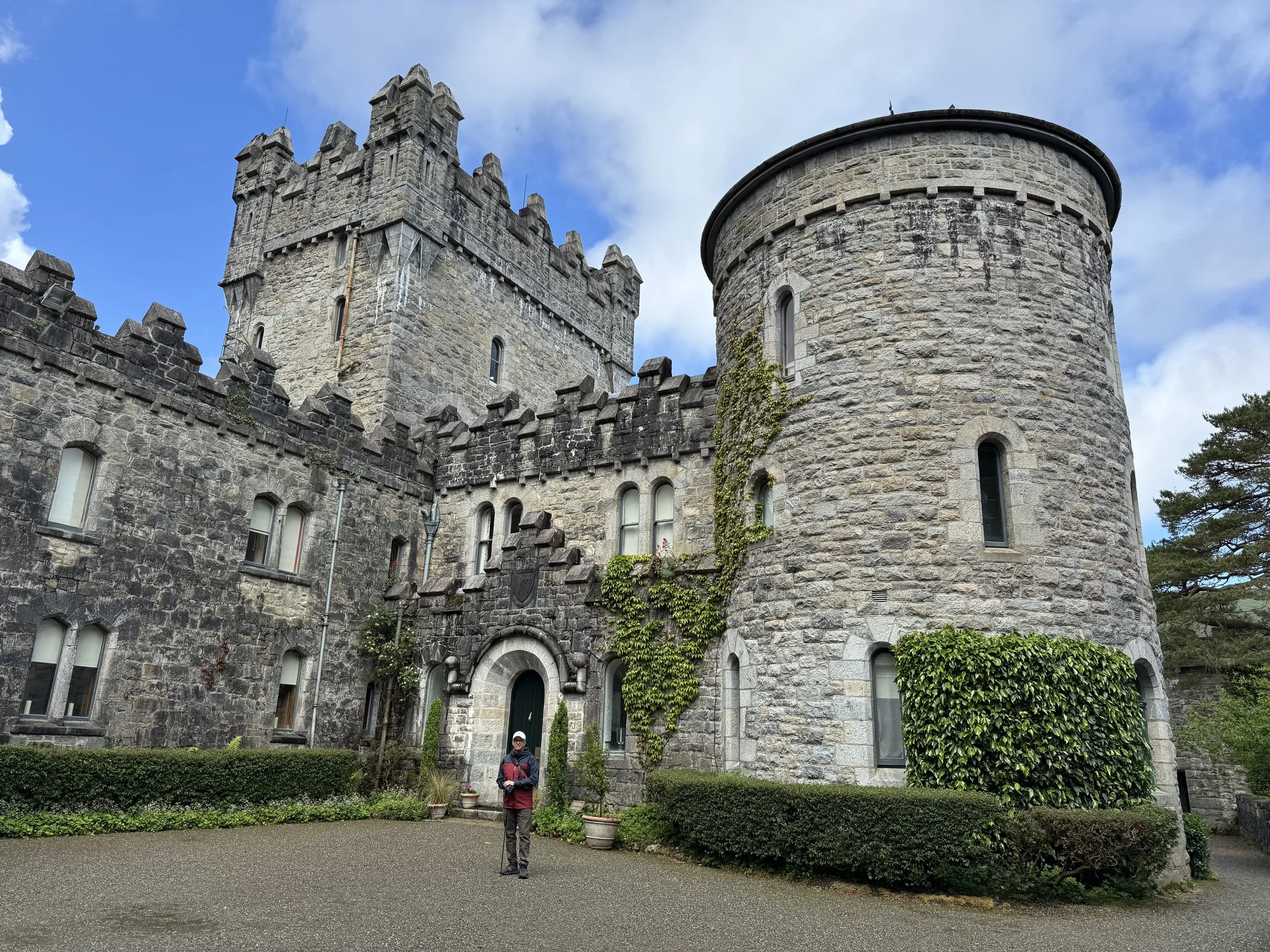
Glenveagh Castle
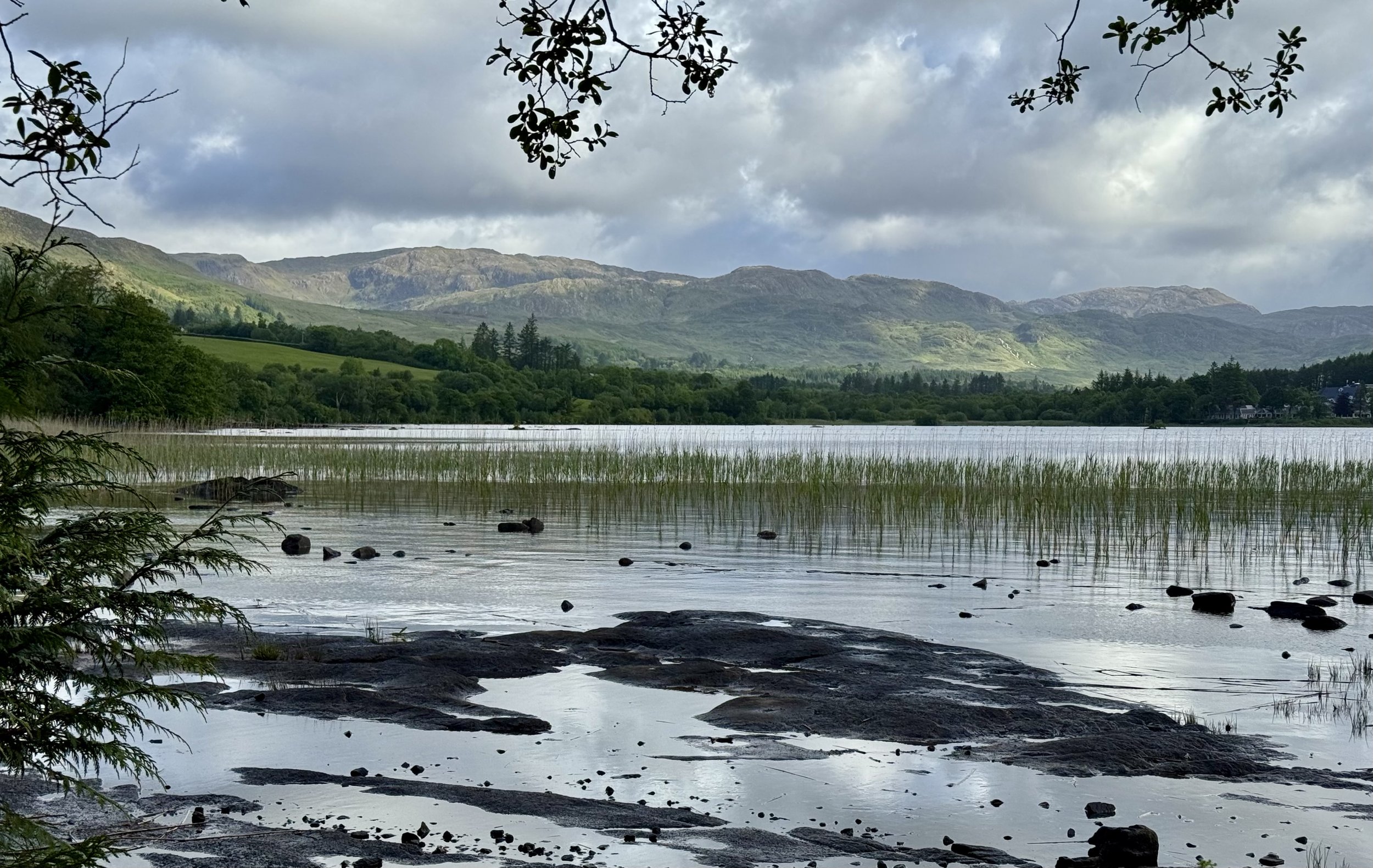
Lough Neagh - largest lake in Ireland
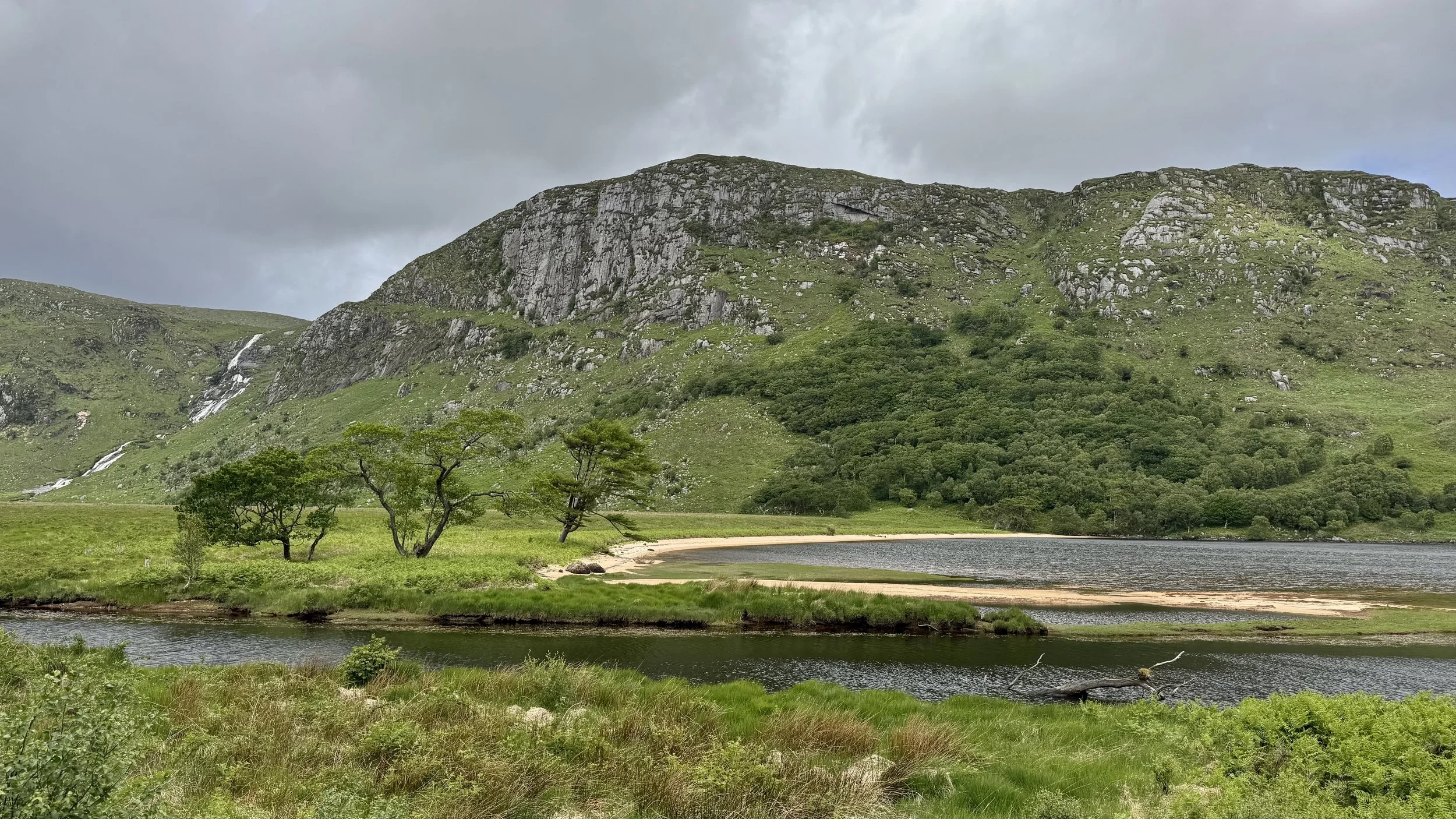
Glenveagh National Park
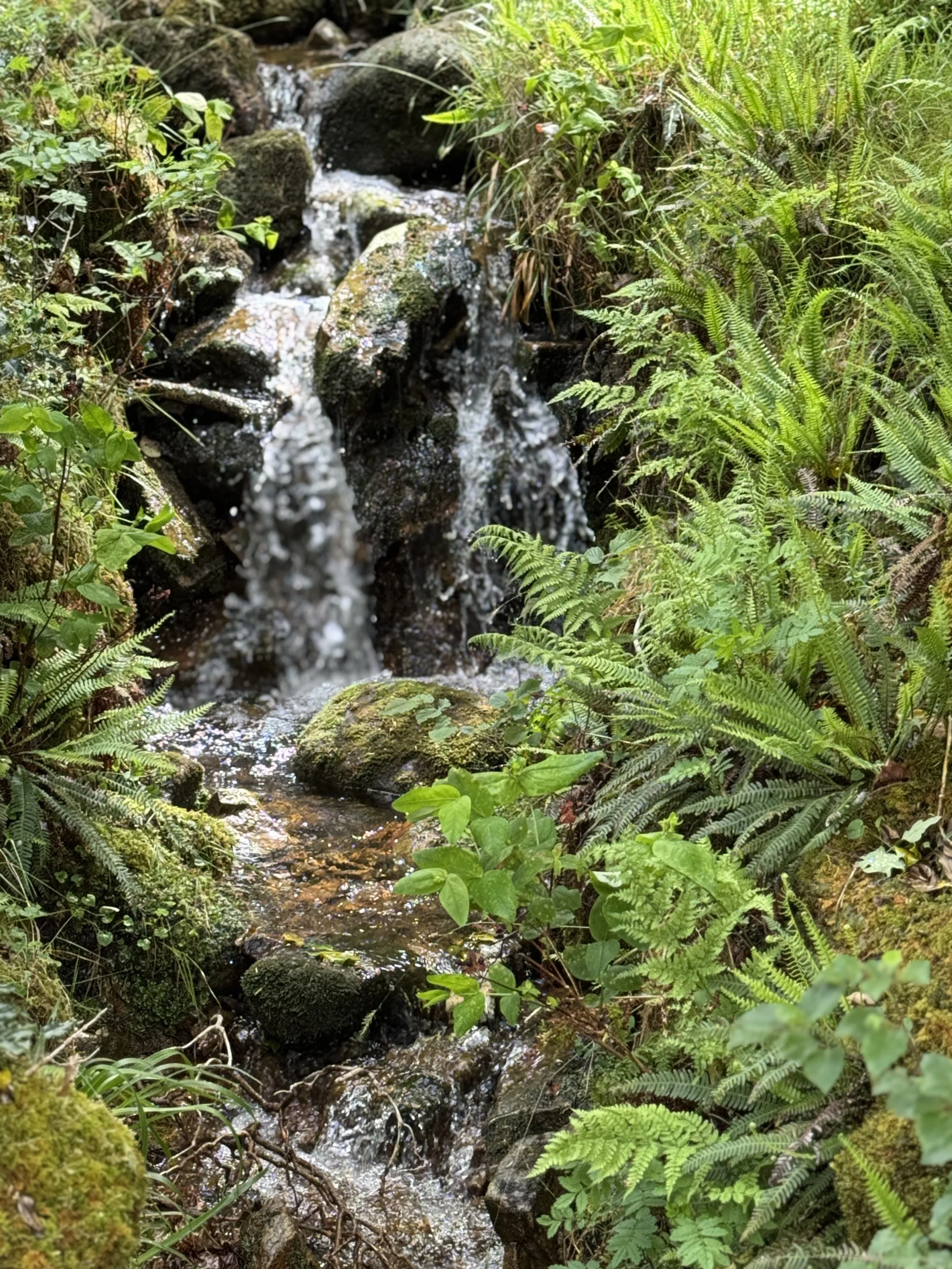
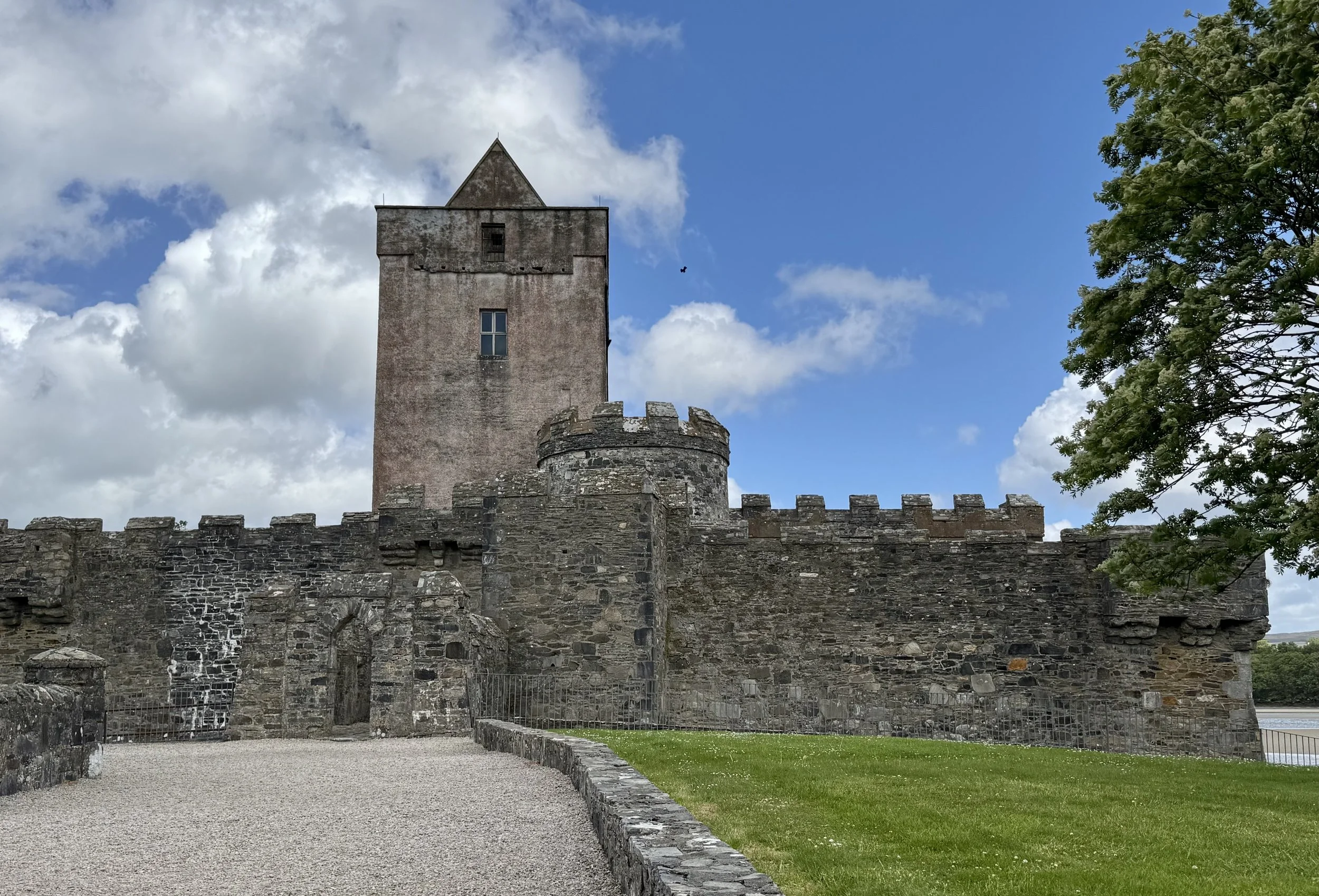
Doe Castle
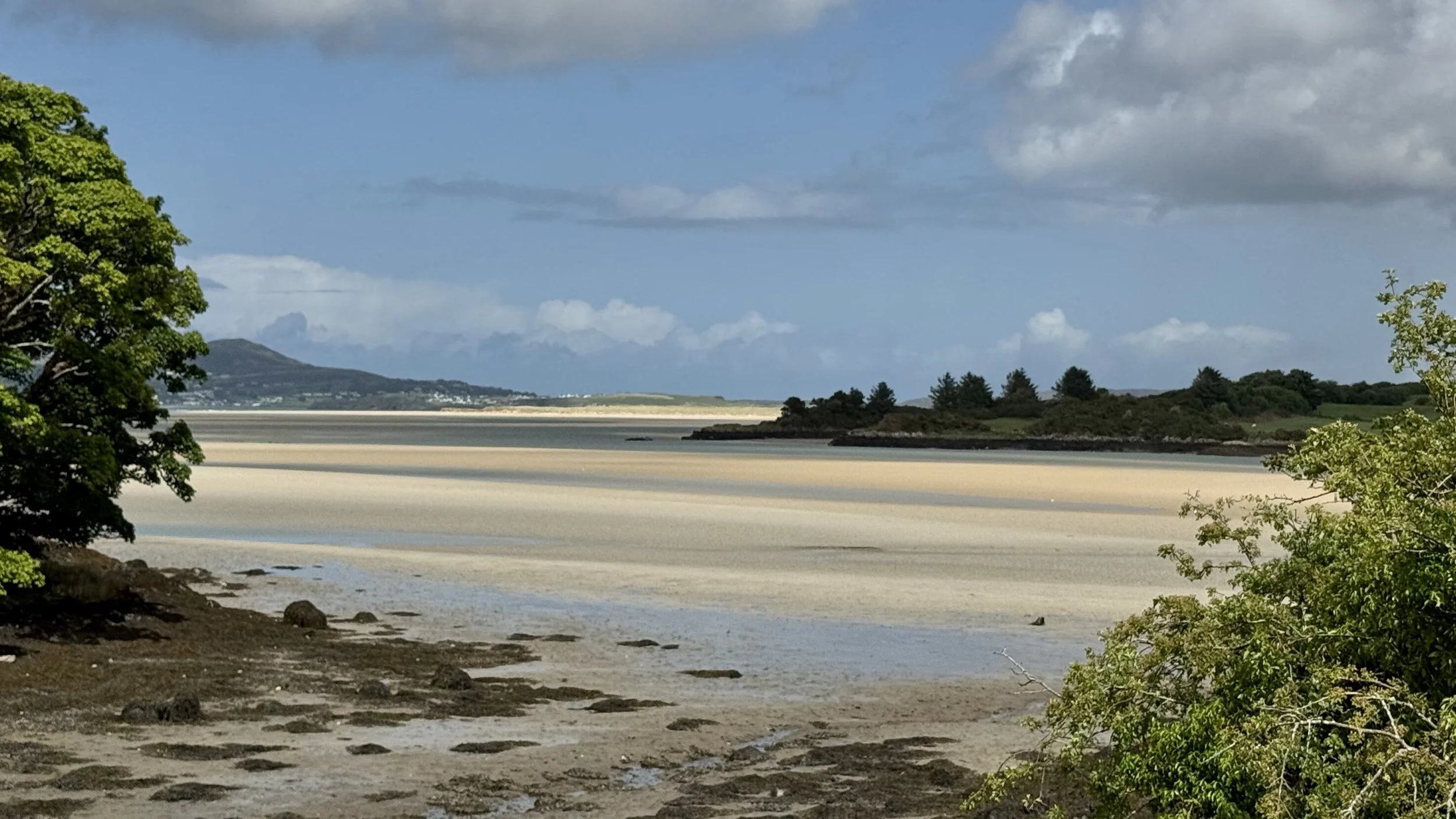
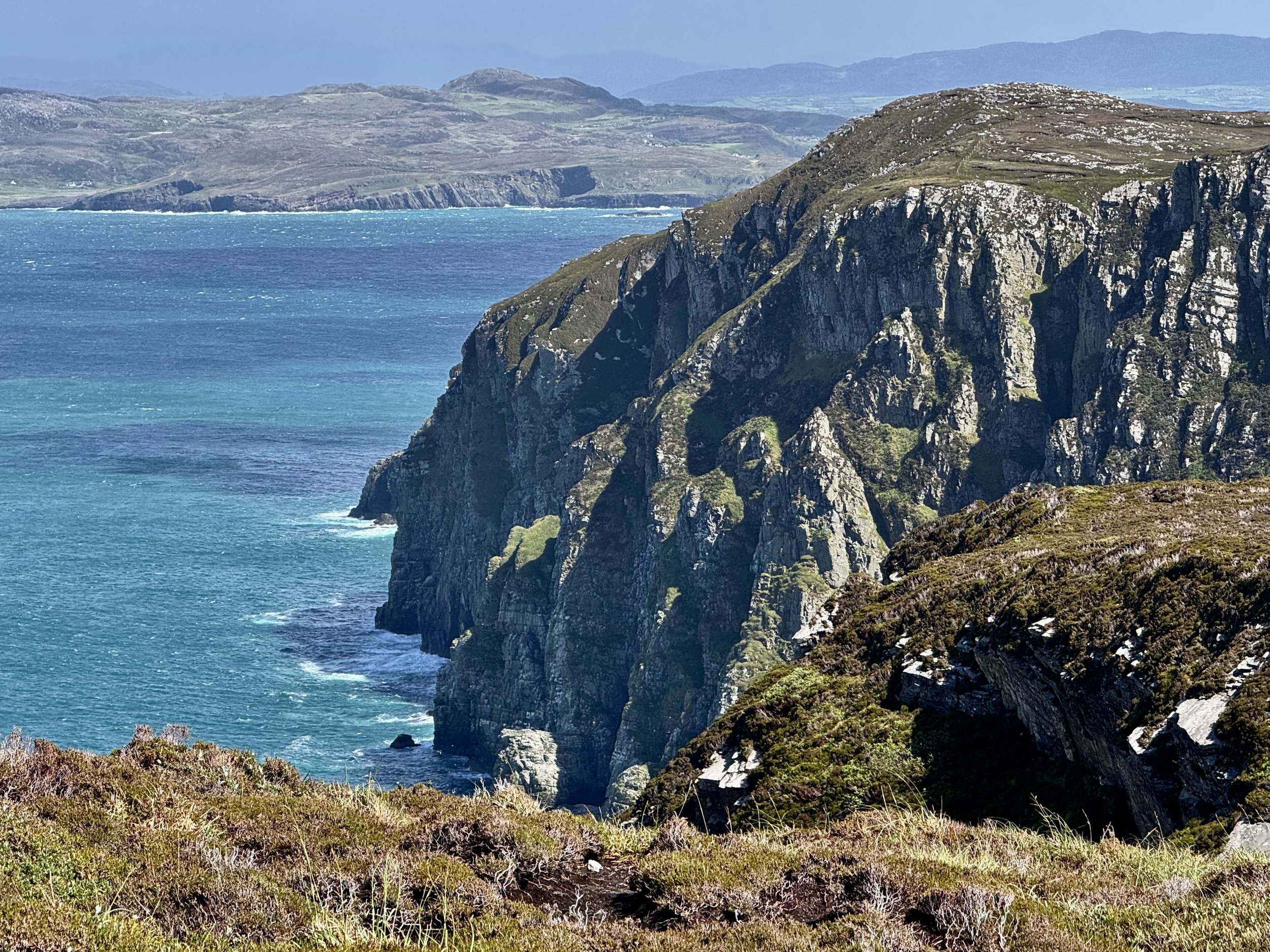
Horn Head Peninsula
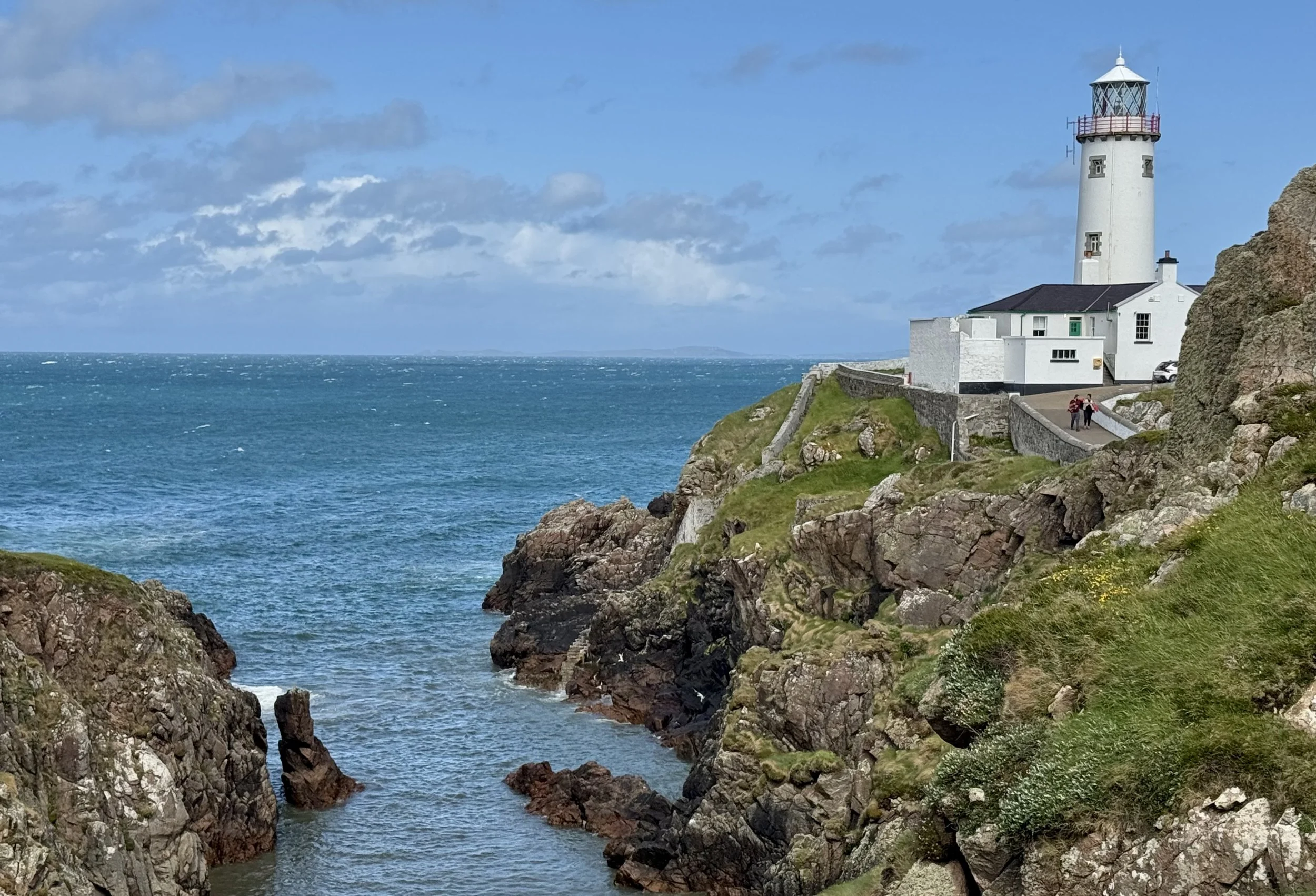
Fanad Head Lighthouse
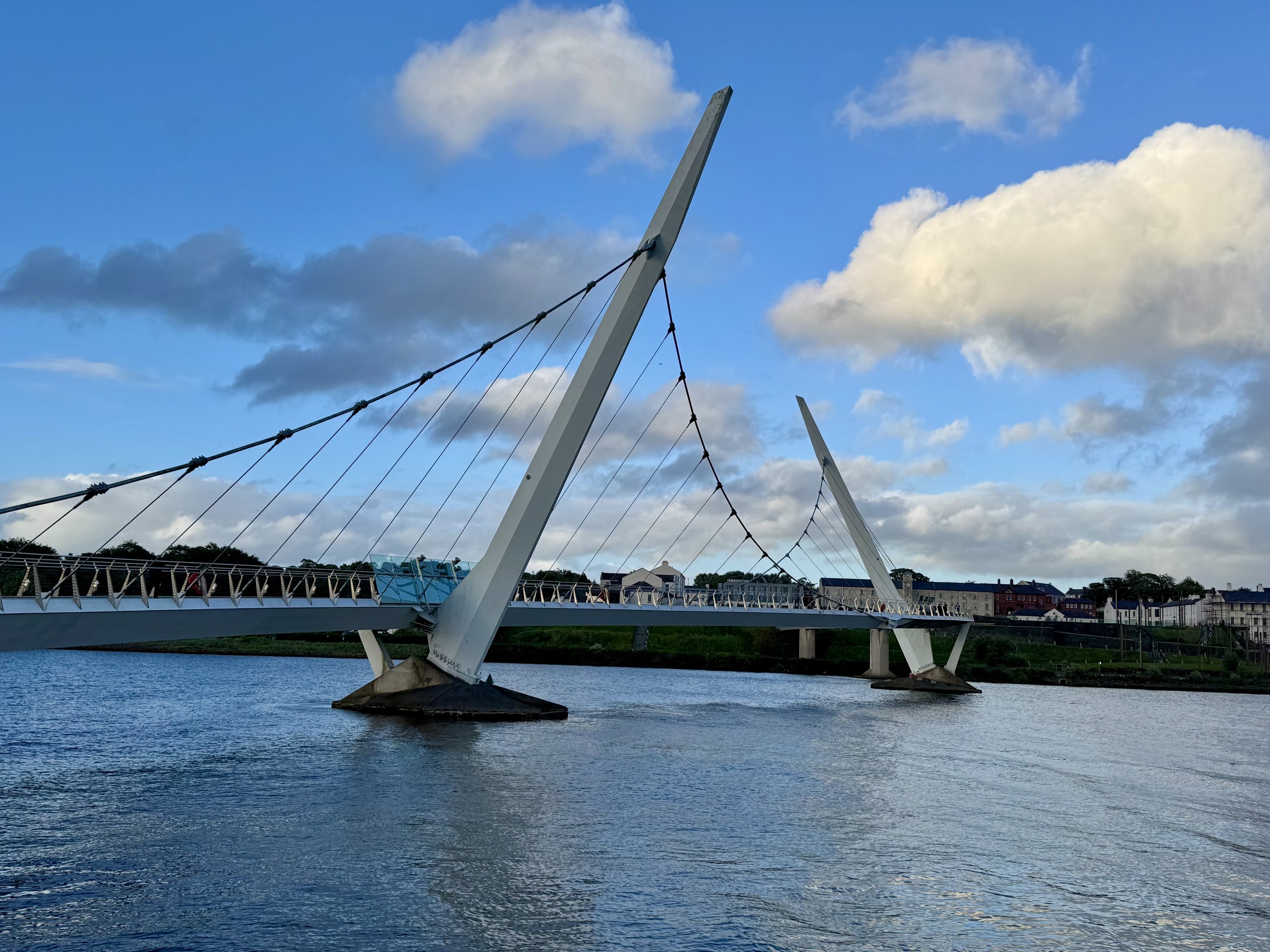
Peace bridge in Derry/LondonDerry: designed to connect the traditionally Unionist "Waterside" with the largely Nationalist "Cityside"
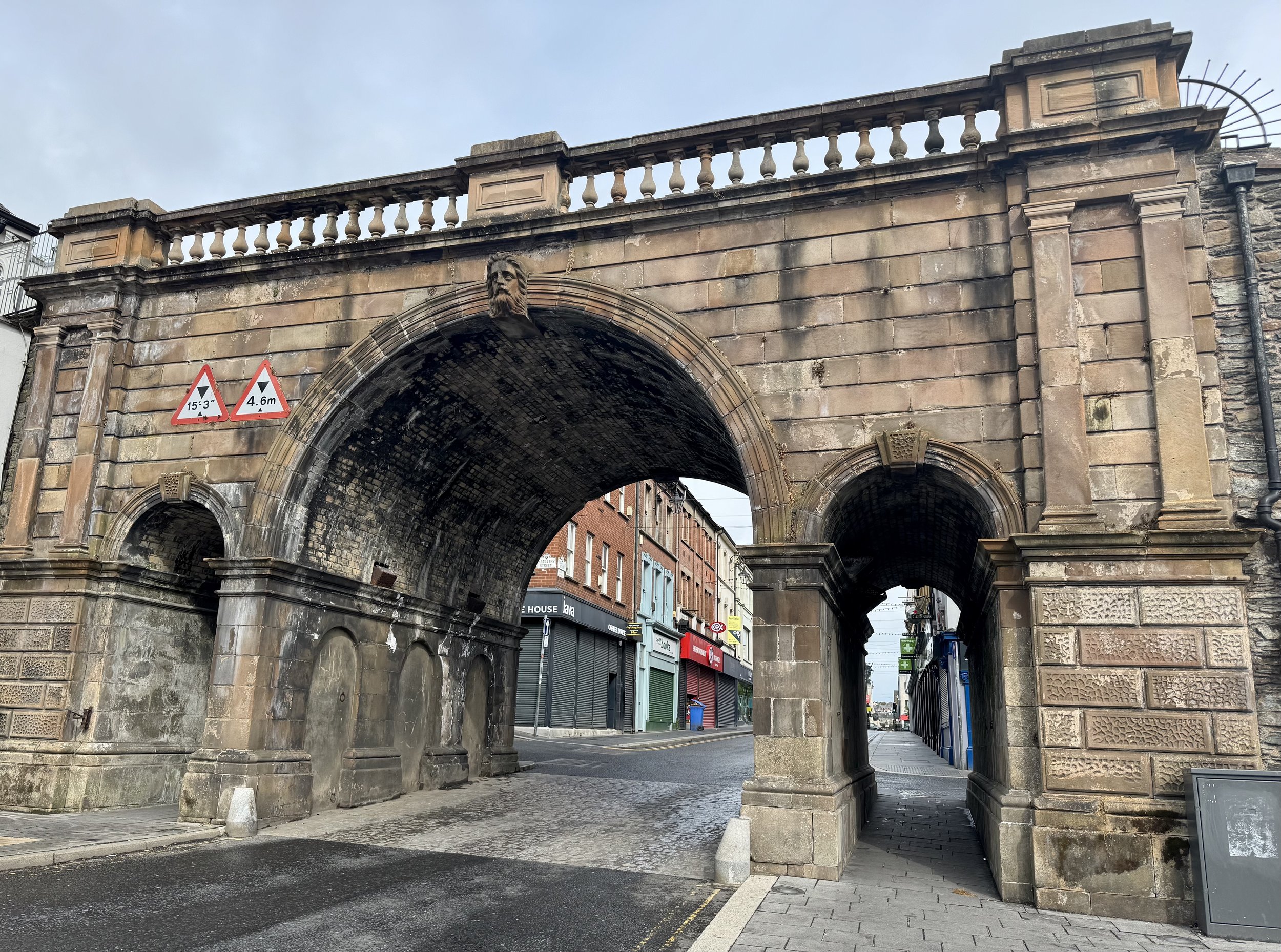
Derry/LondonDerry wall and gate
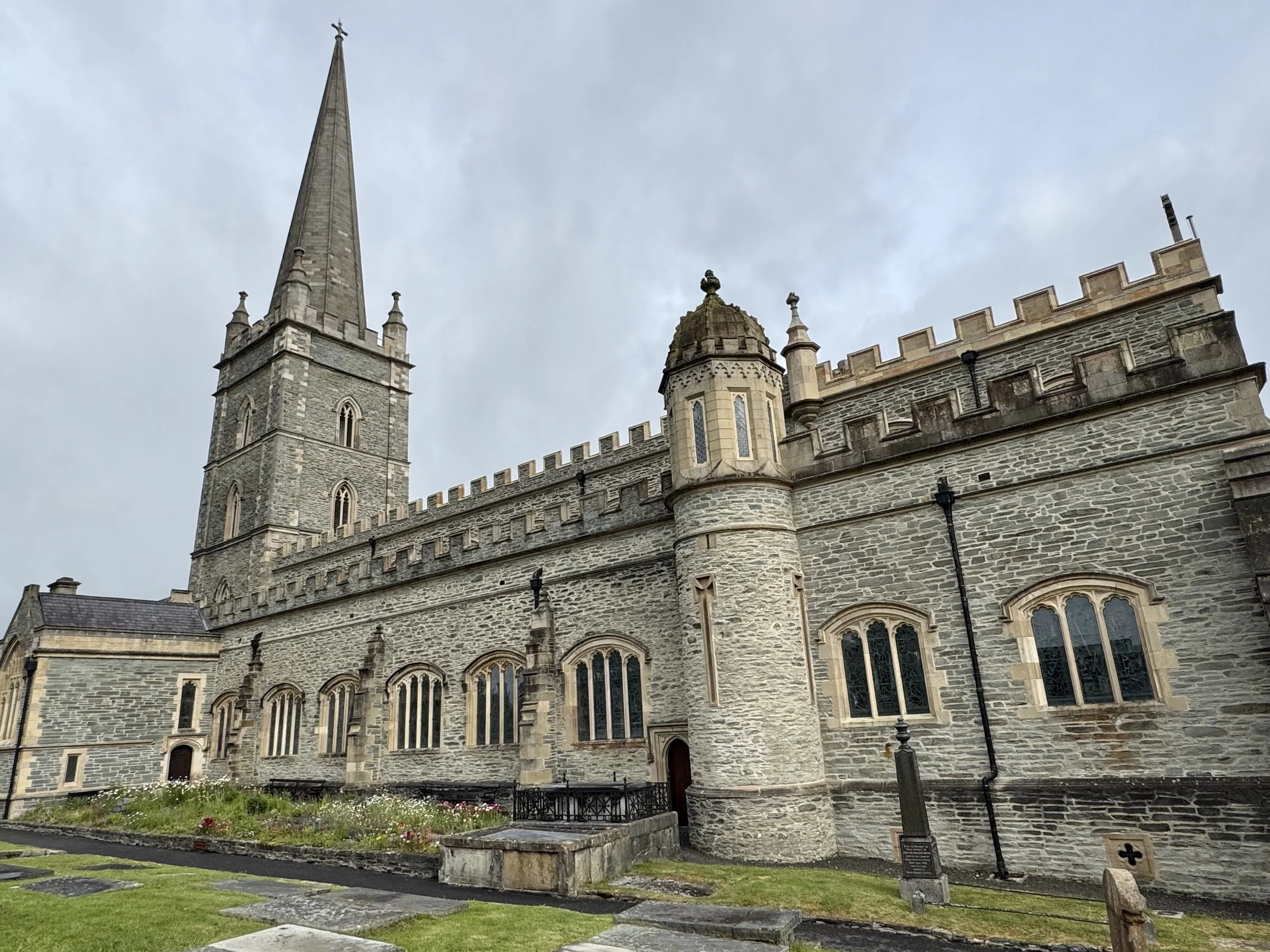
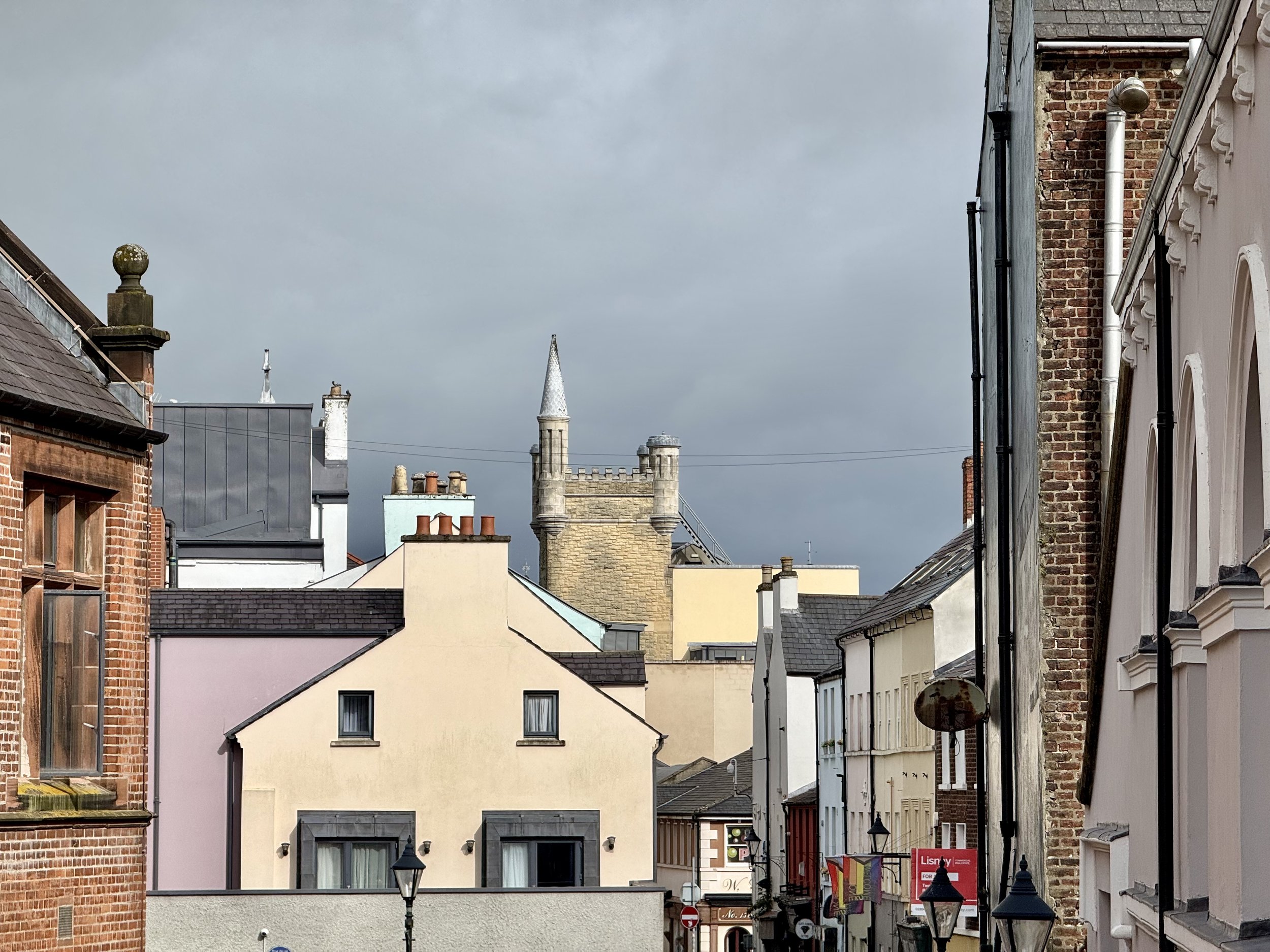
Derry/Londonderry
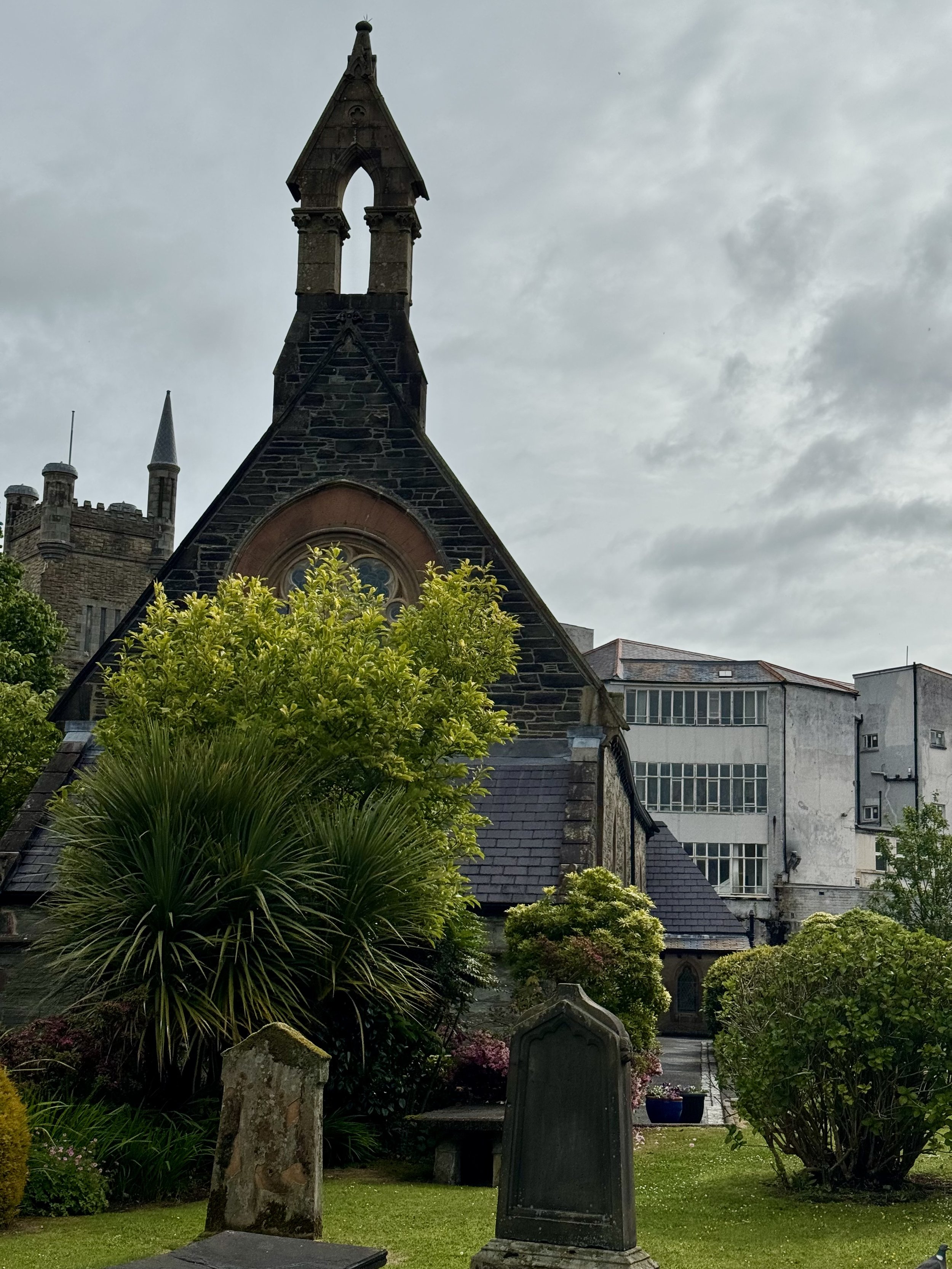
City Centre Derry/Londonderry
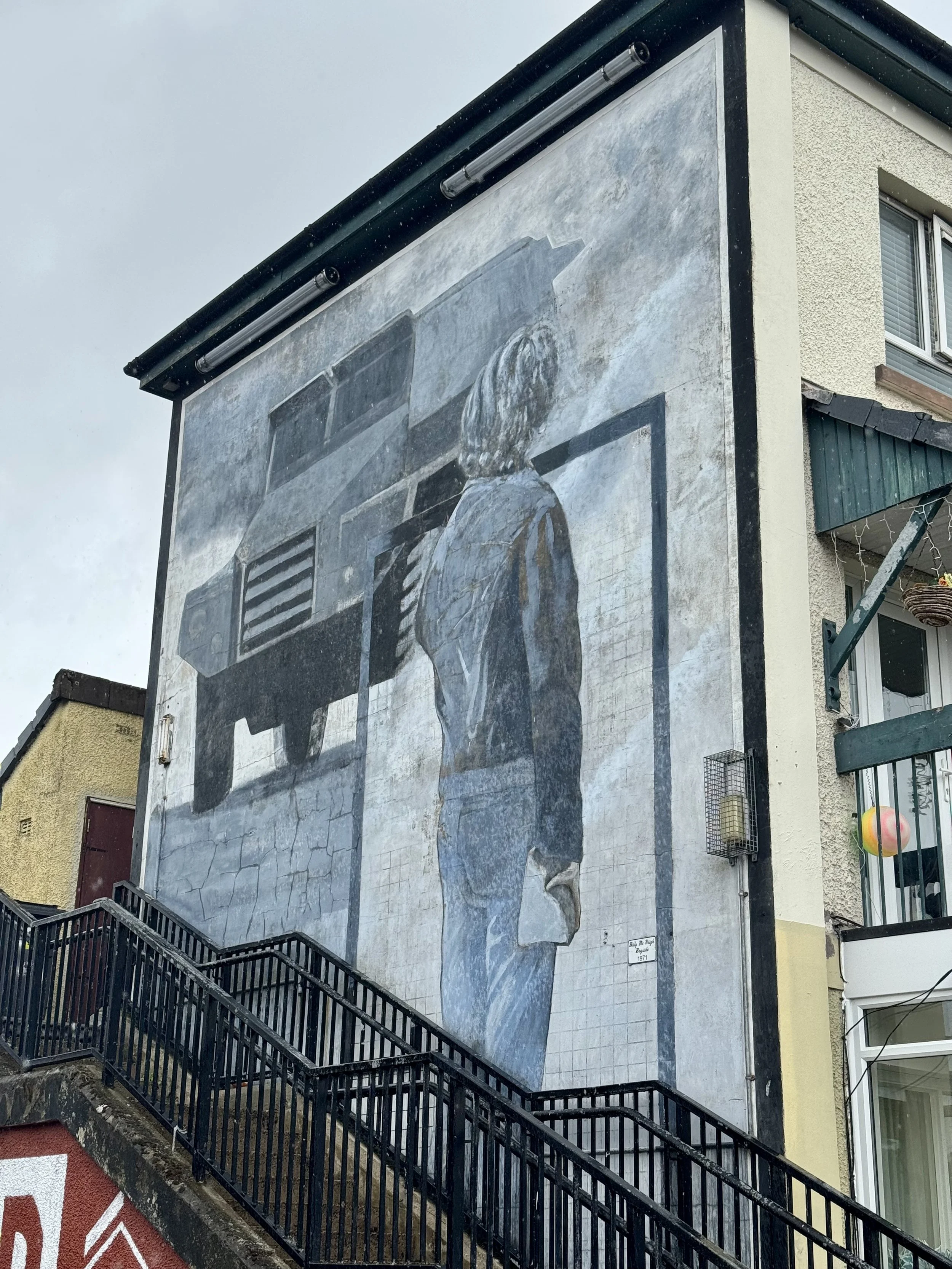
Derry/Londonderry wall art connected with The Troubles
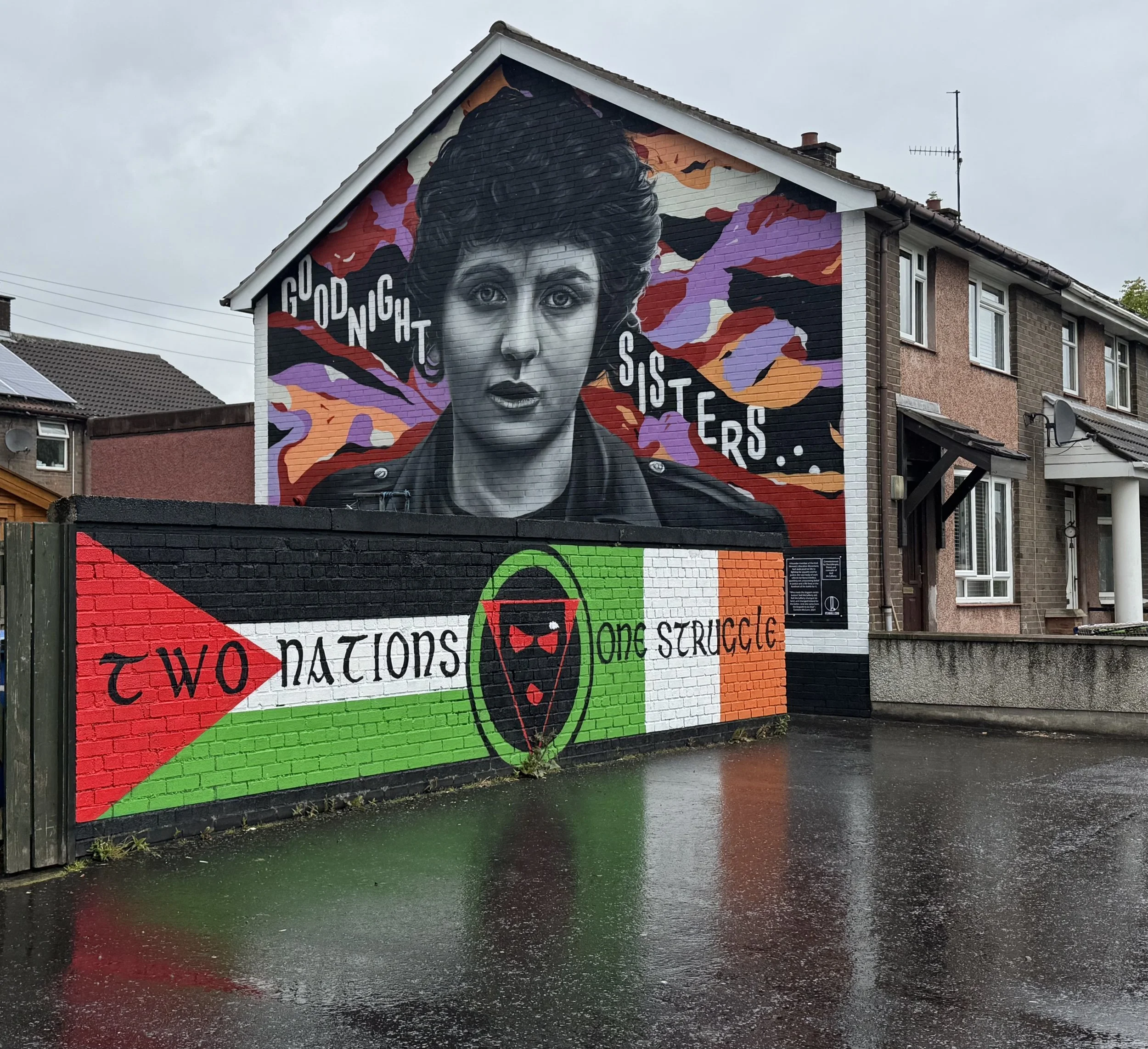
Derry/Londonderry wall art connected with The Troubles
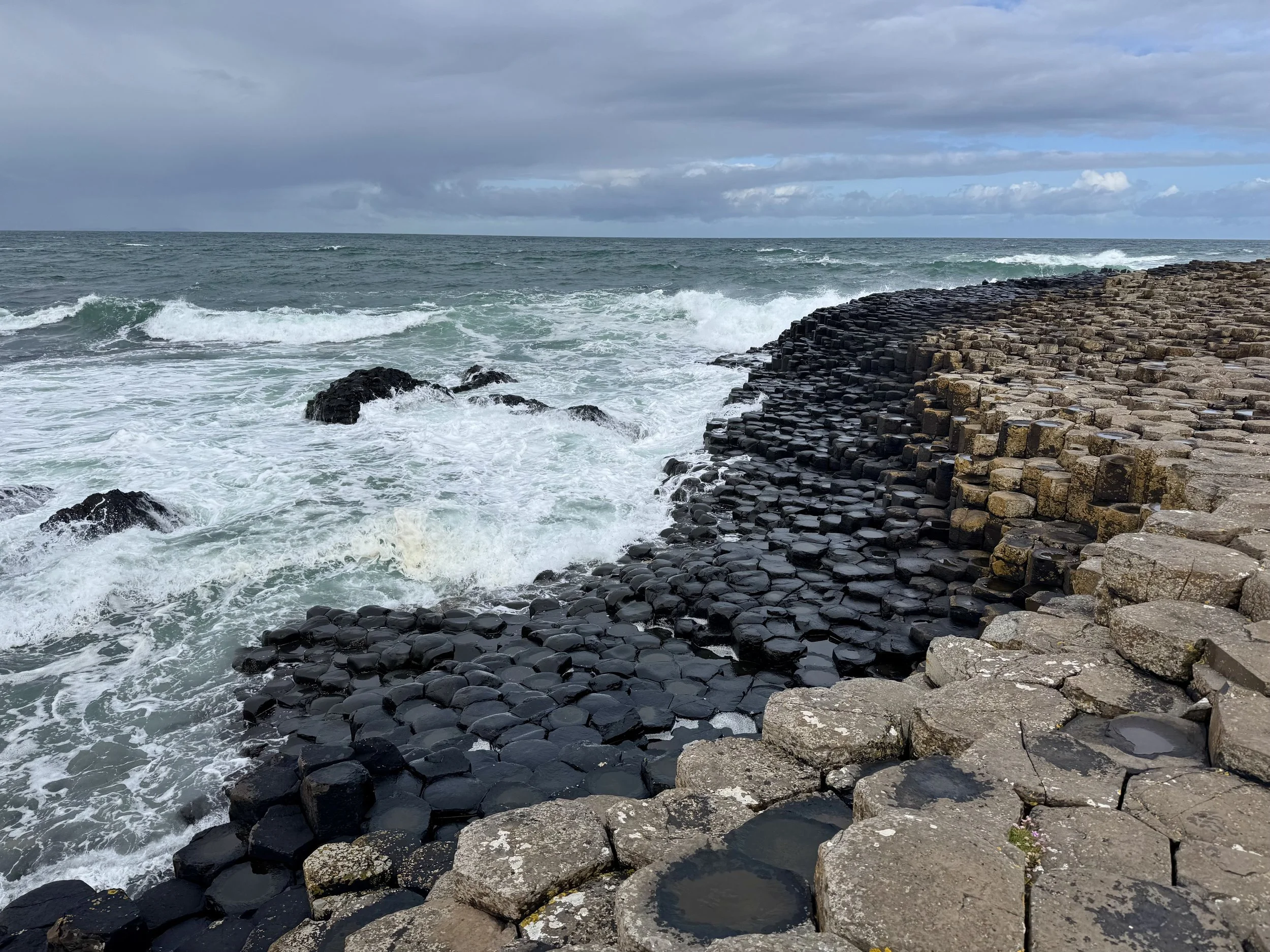
Giant Causeways
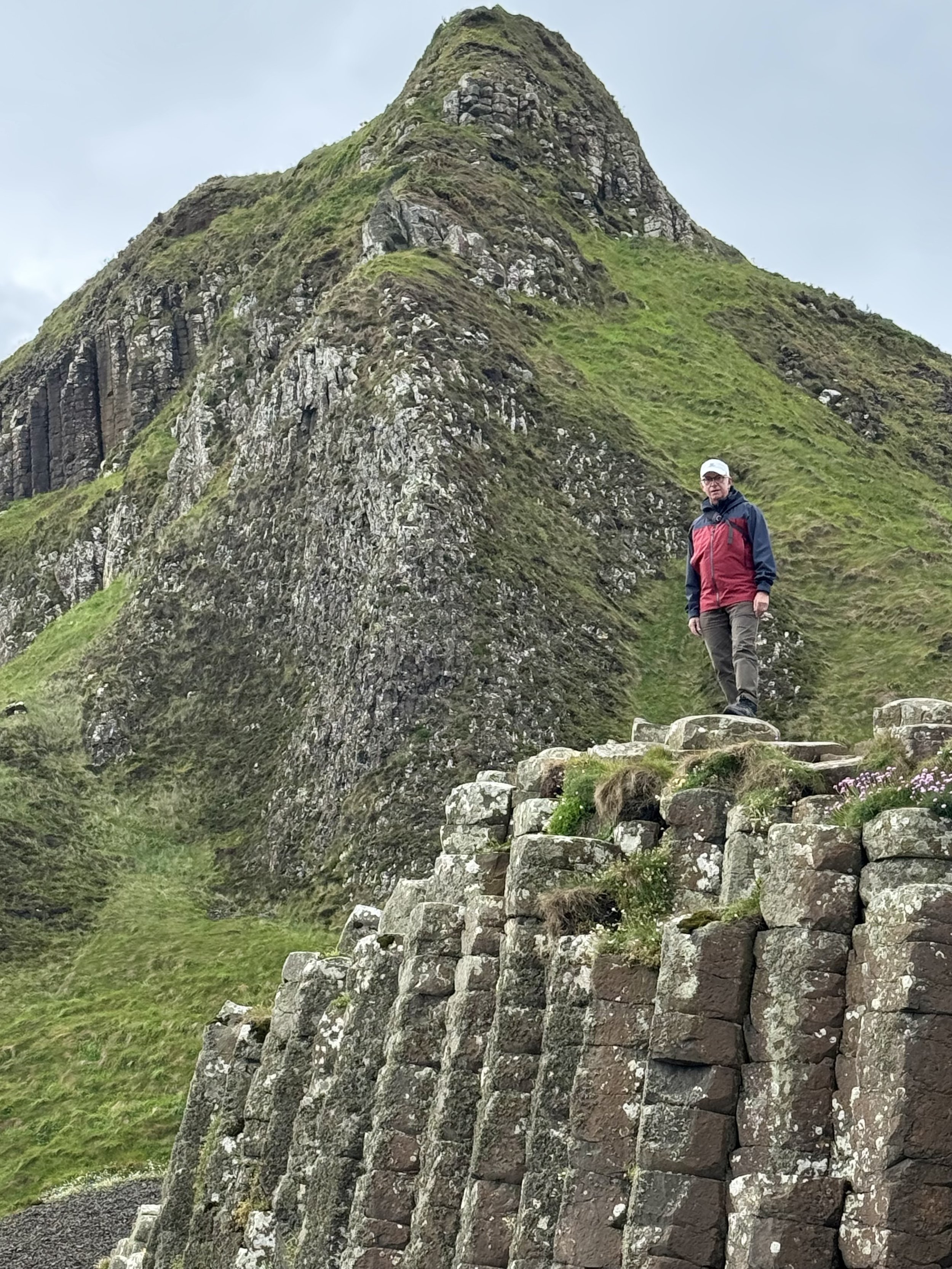
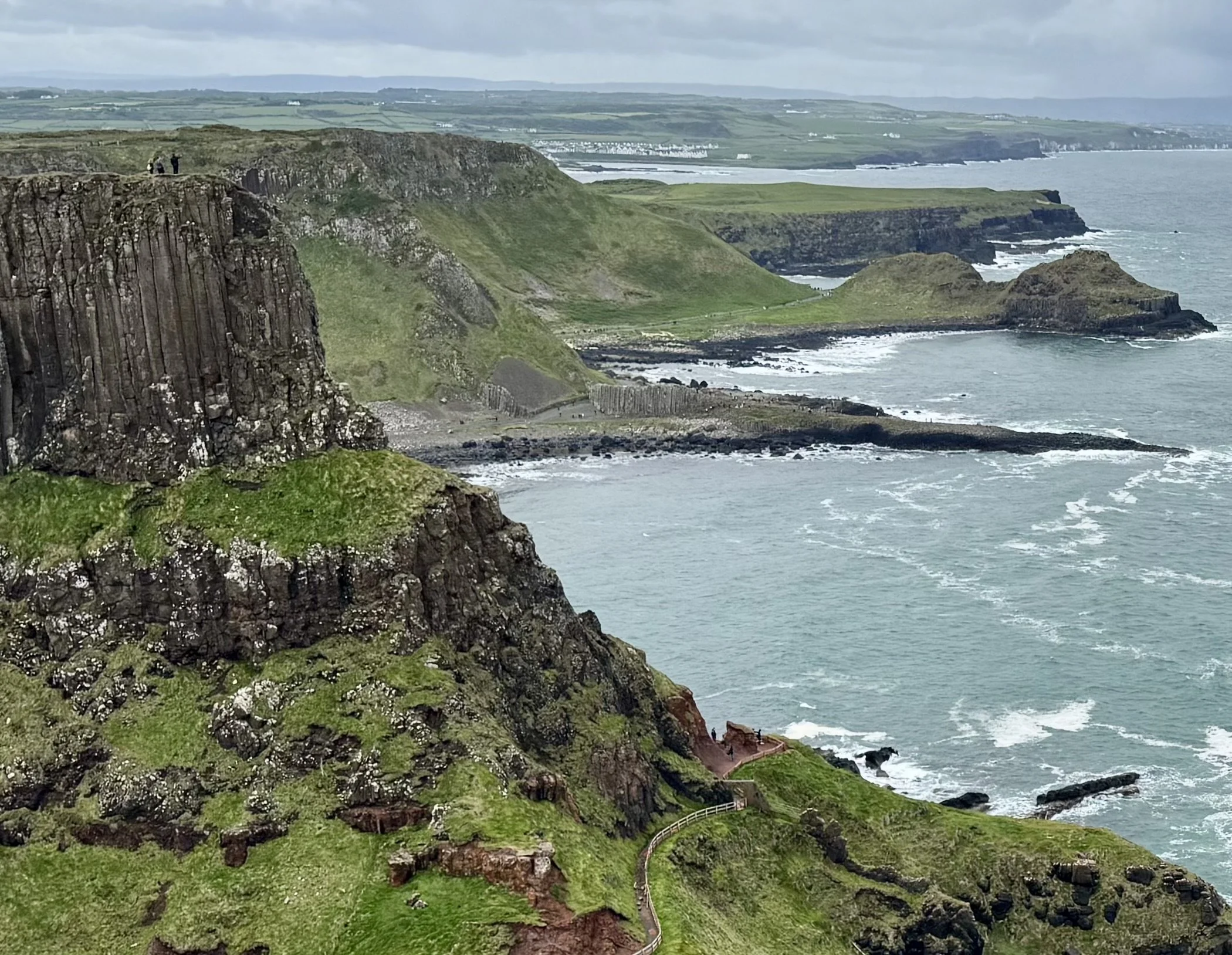
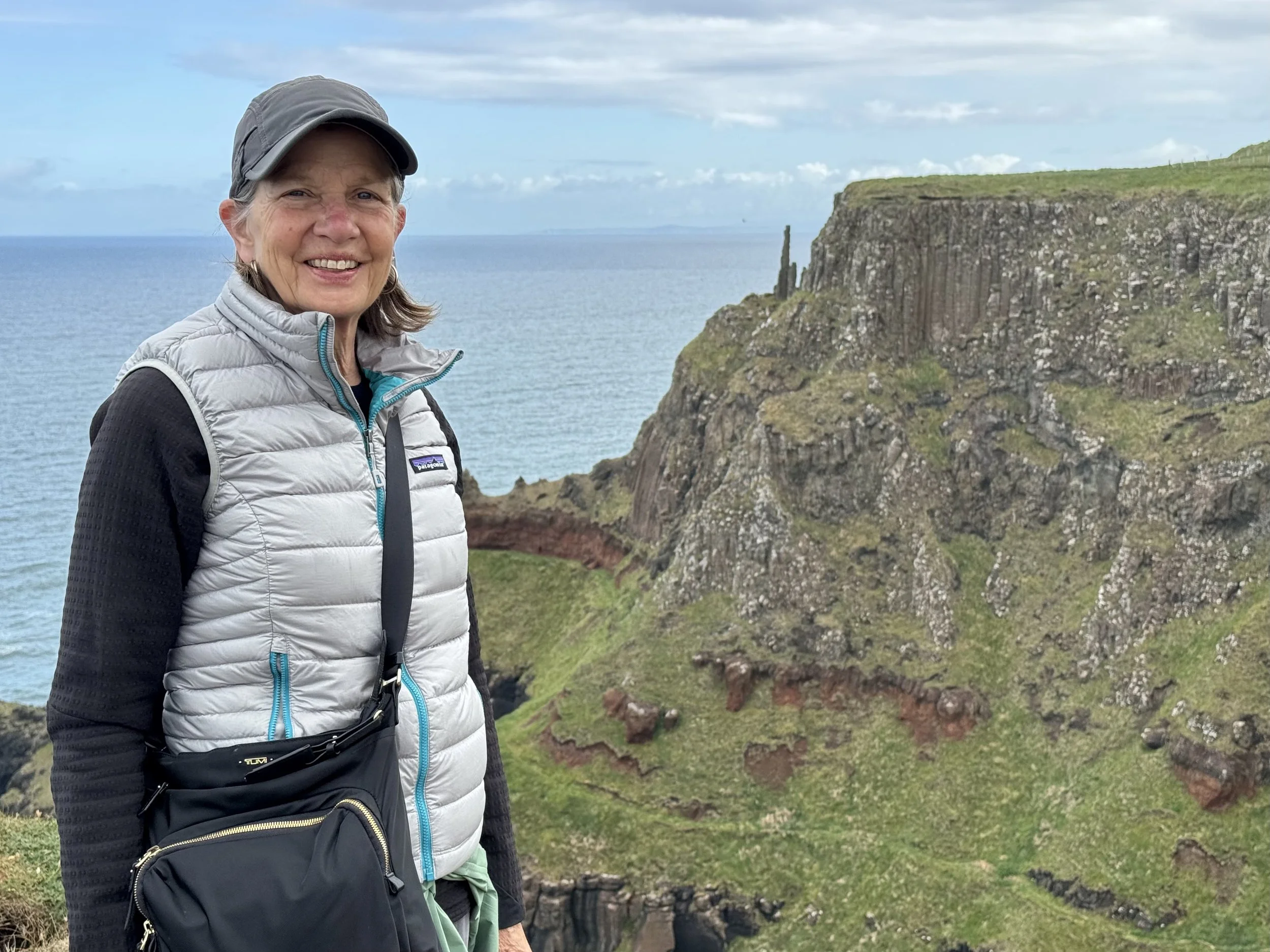
Giant Causeways
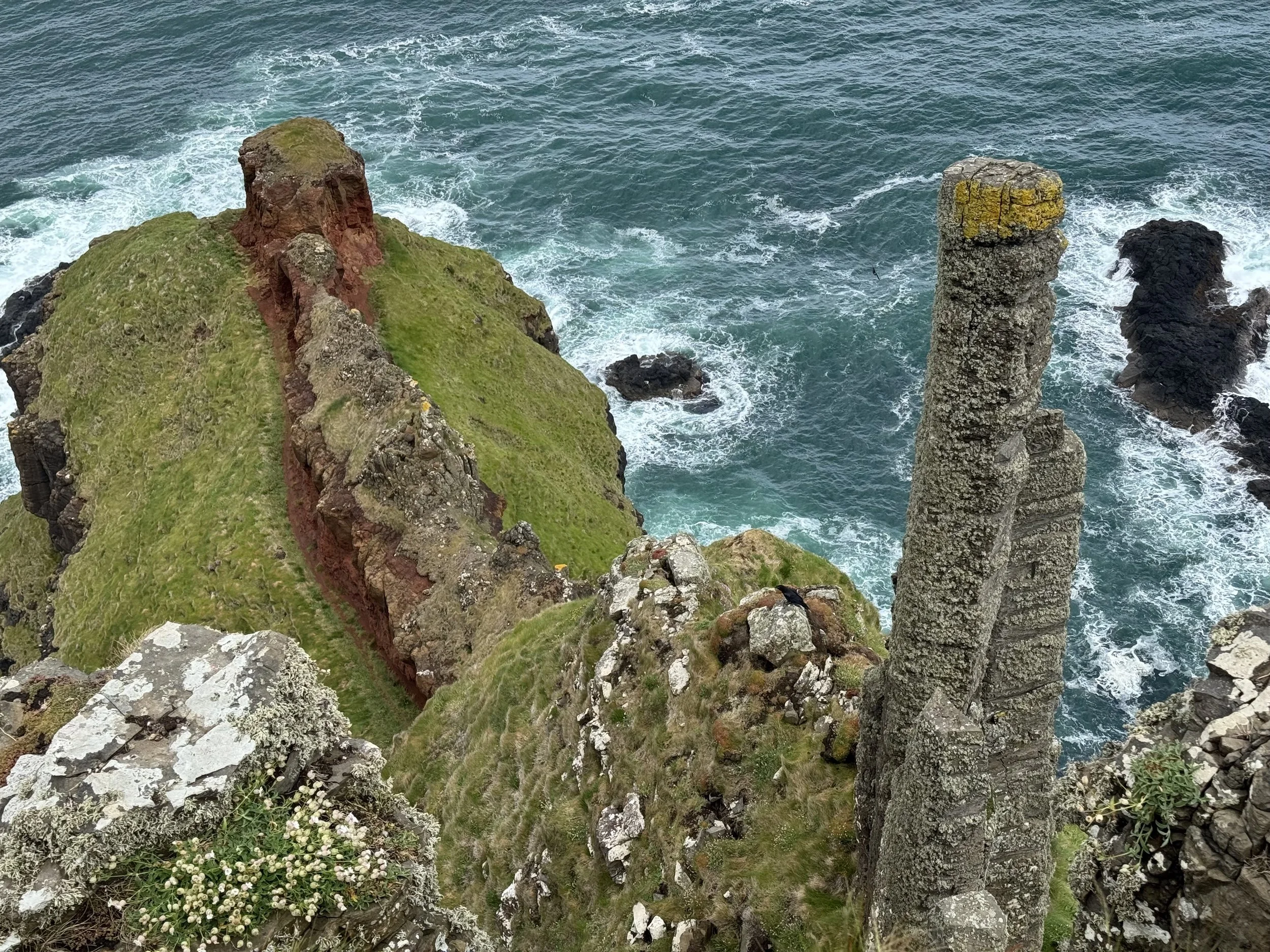
Giant Causeways
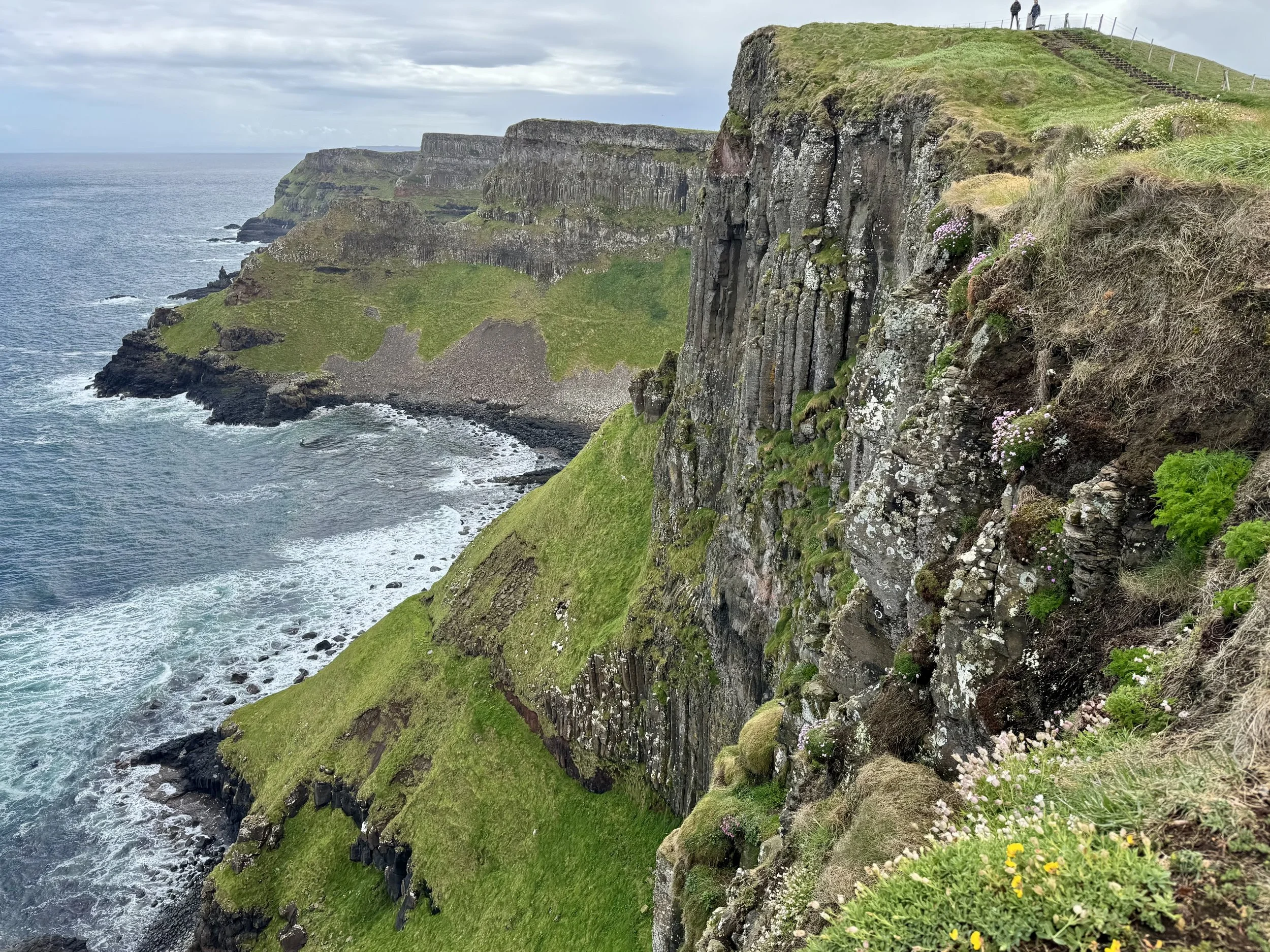
Giant Causeways
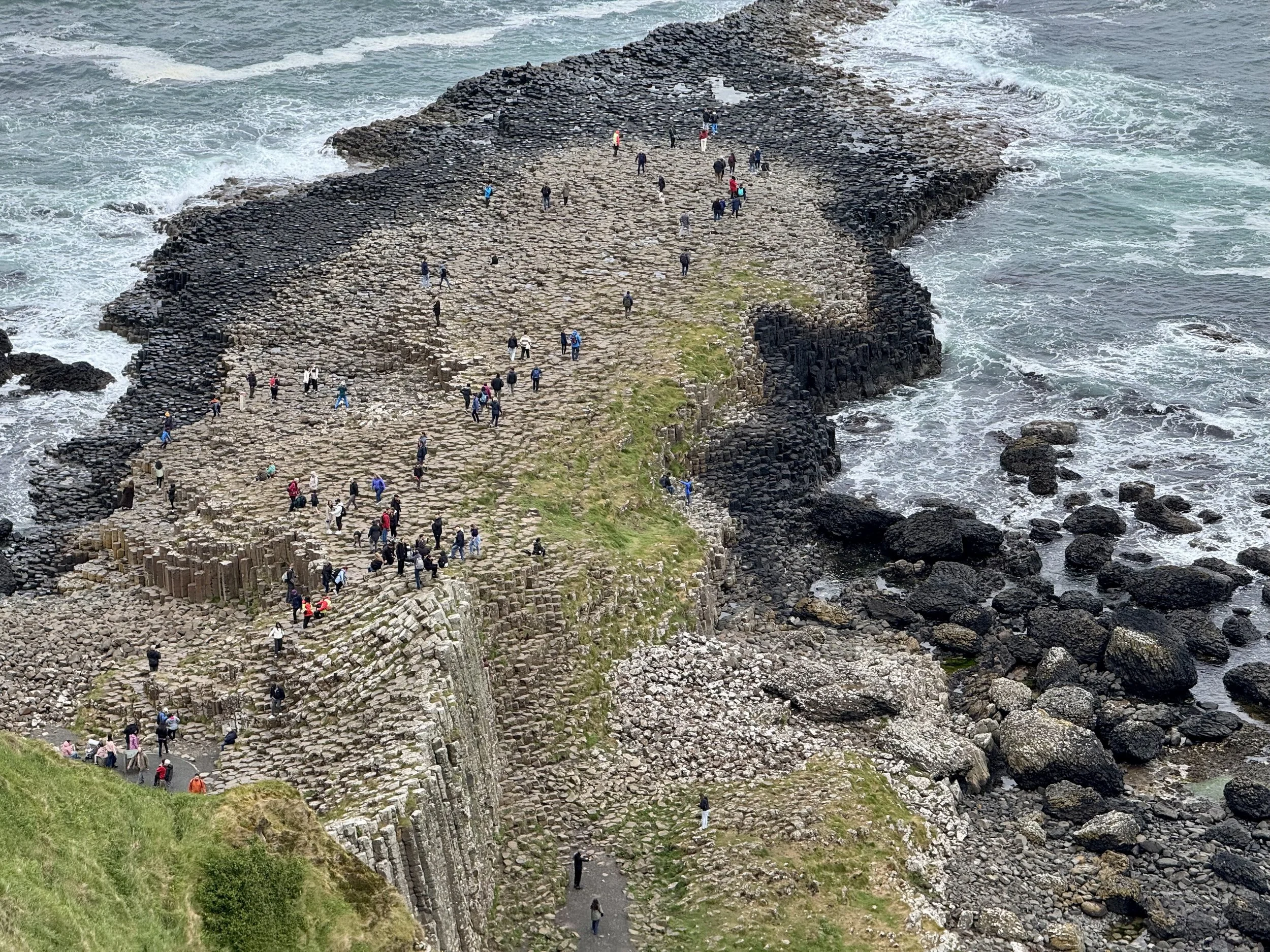
Giant Causeways
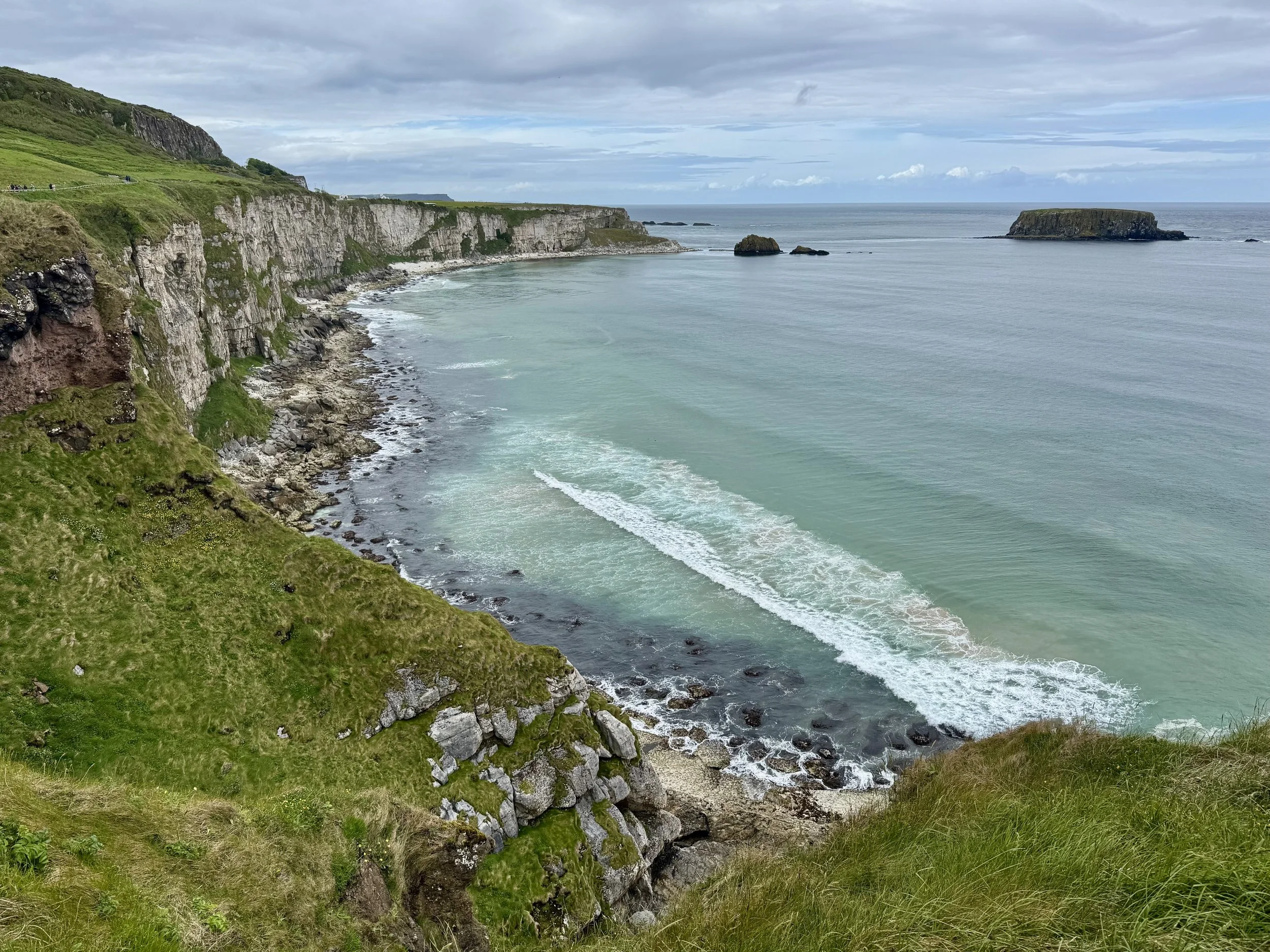
Giant Causeways
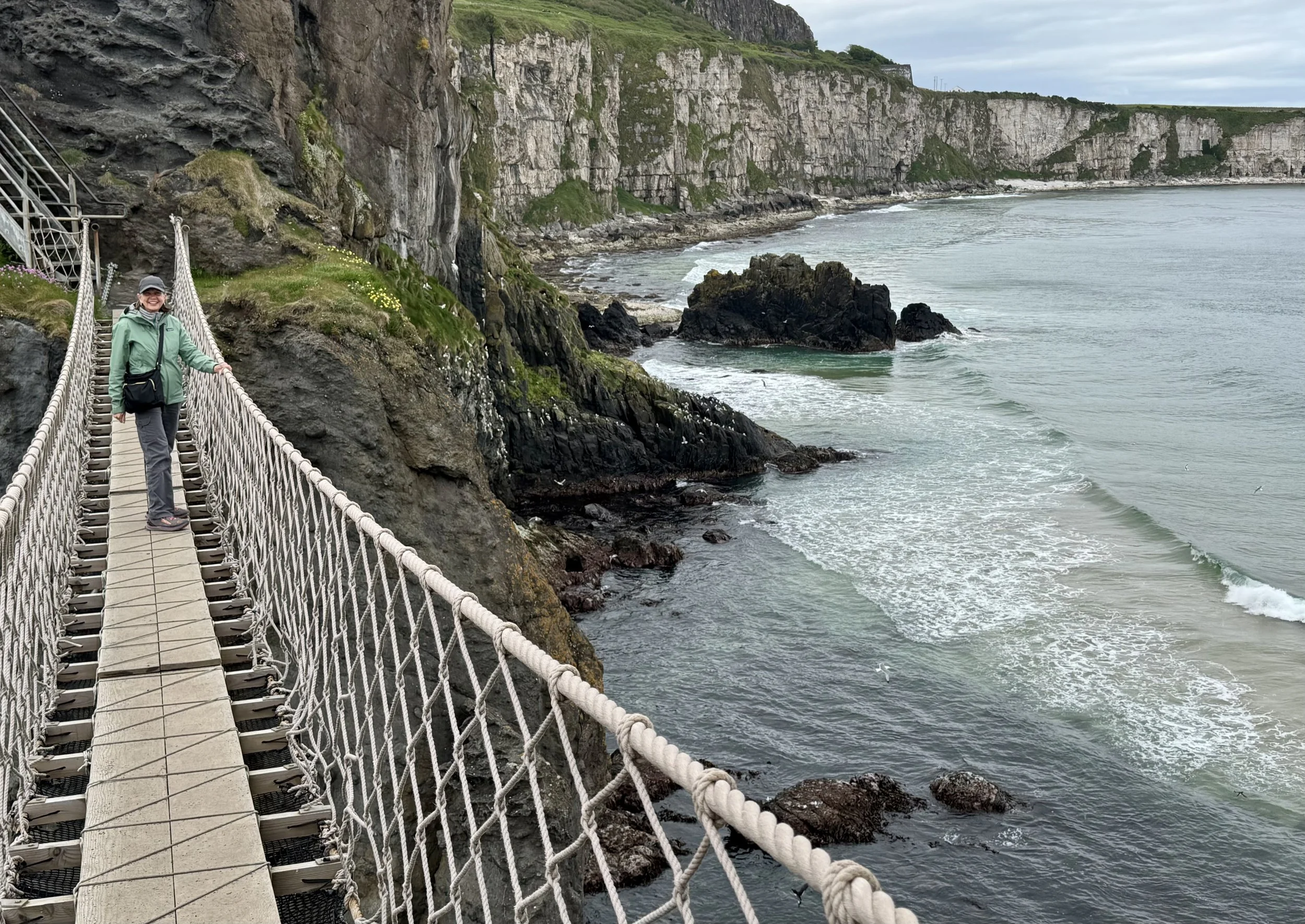
Carrick-a-Rede rope bridge on Causeway Coast
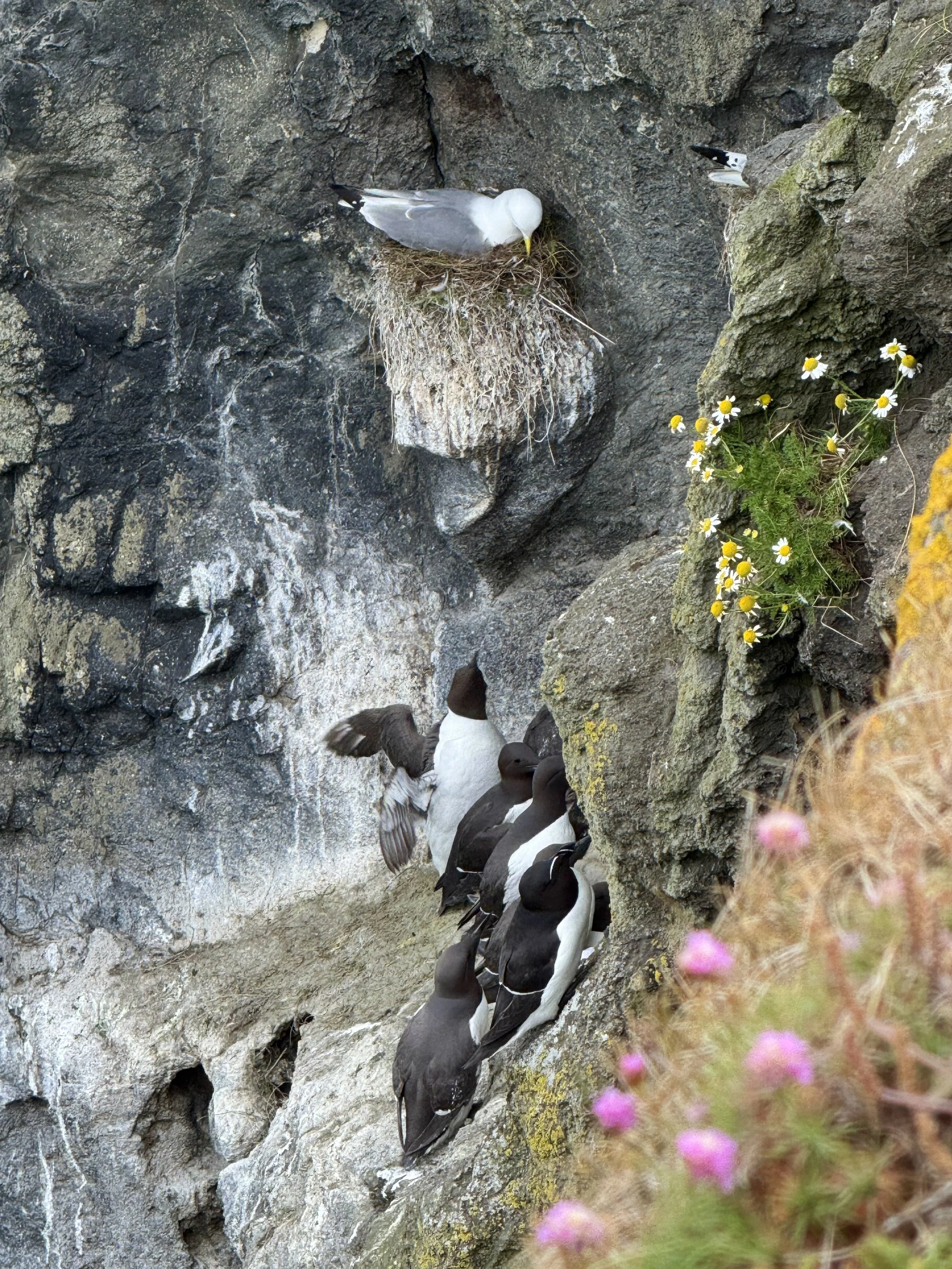
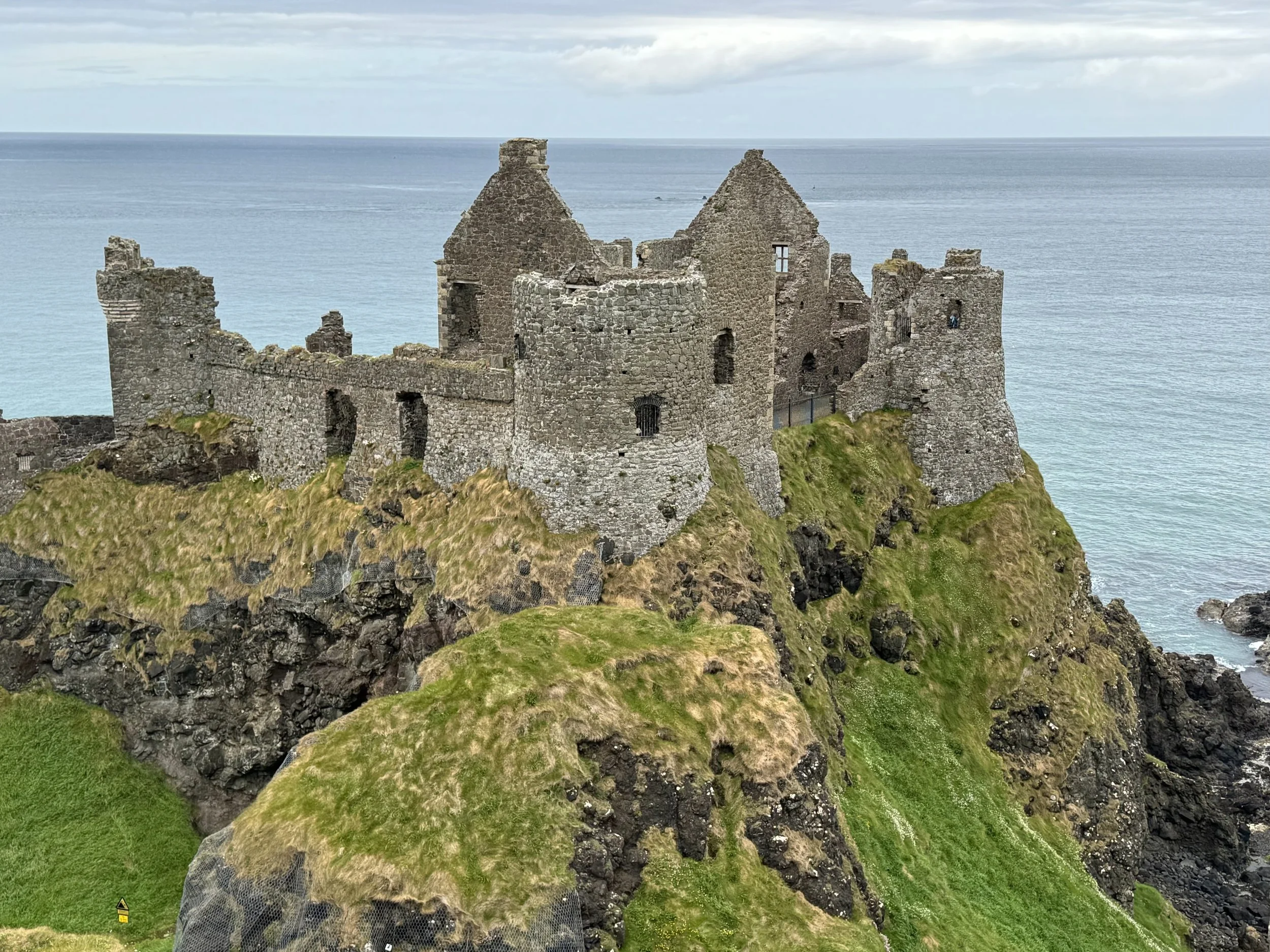
Dunluce Castle
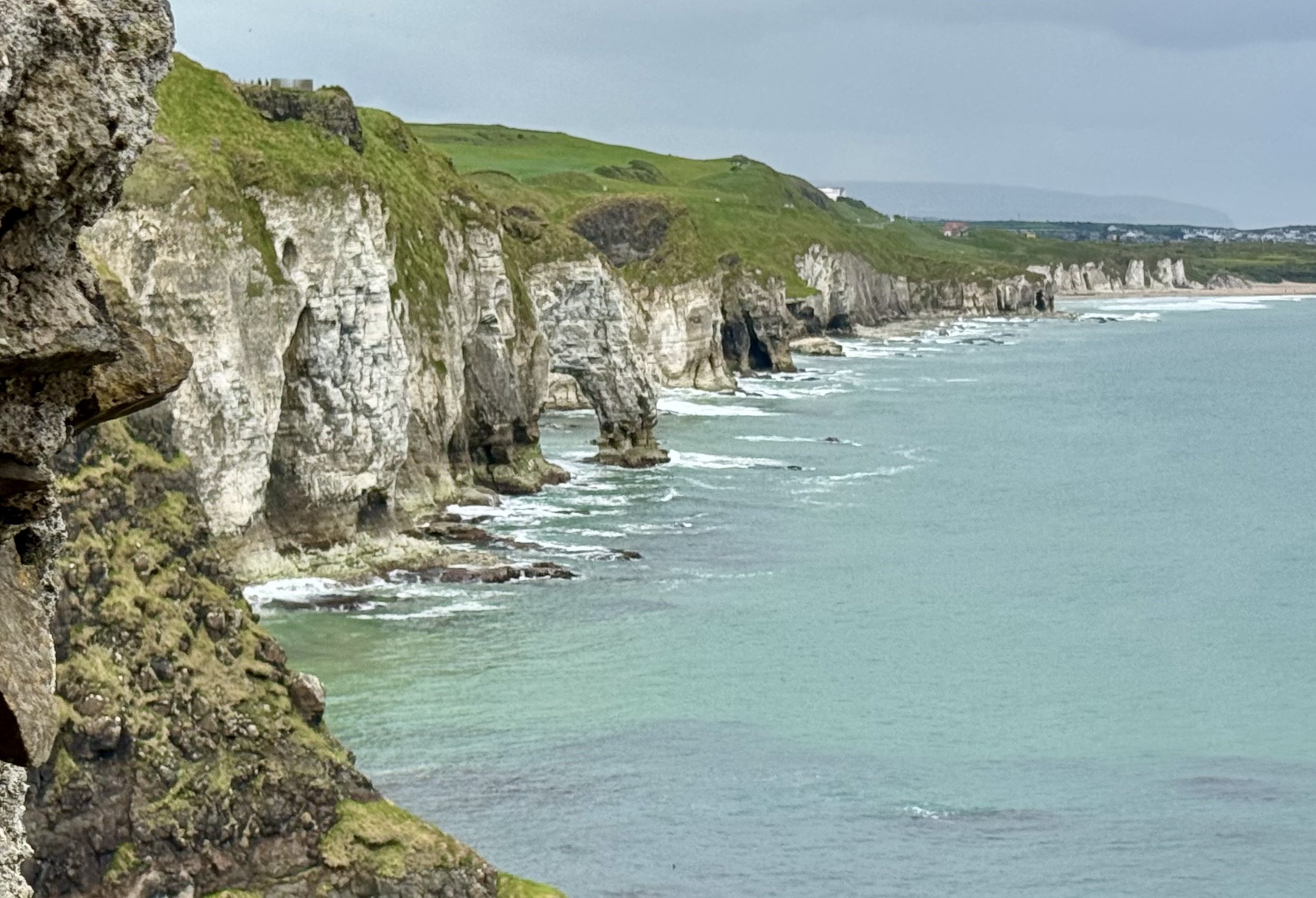
Dunluce Castle
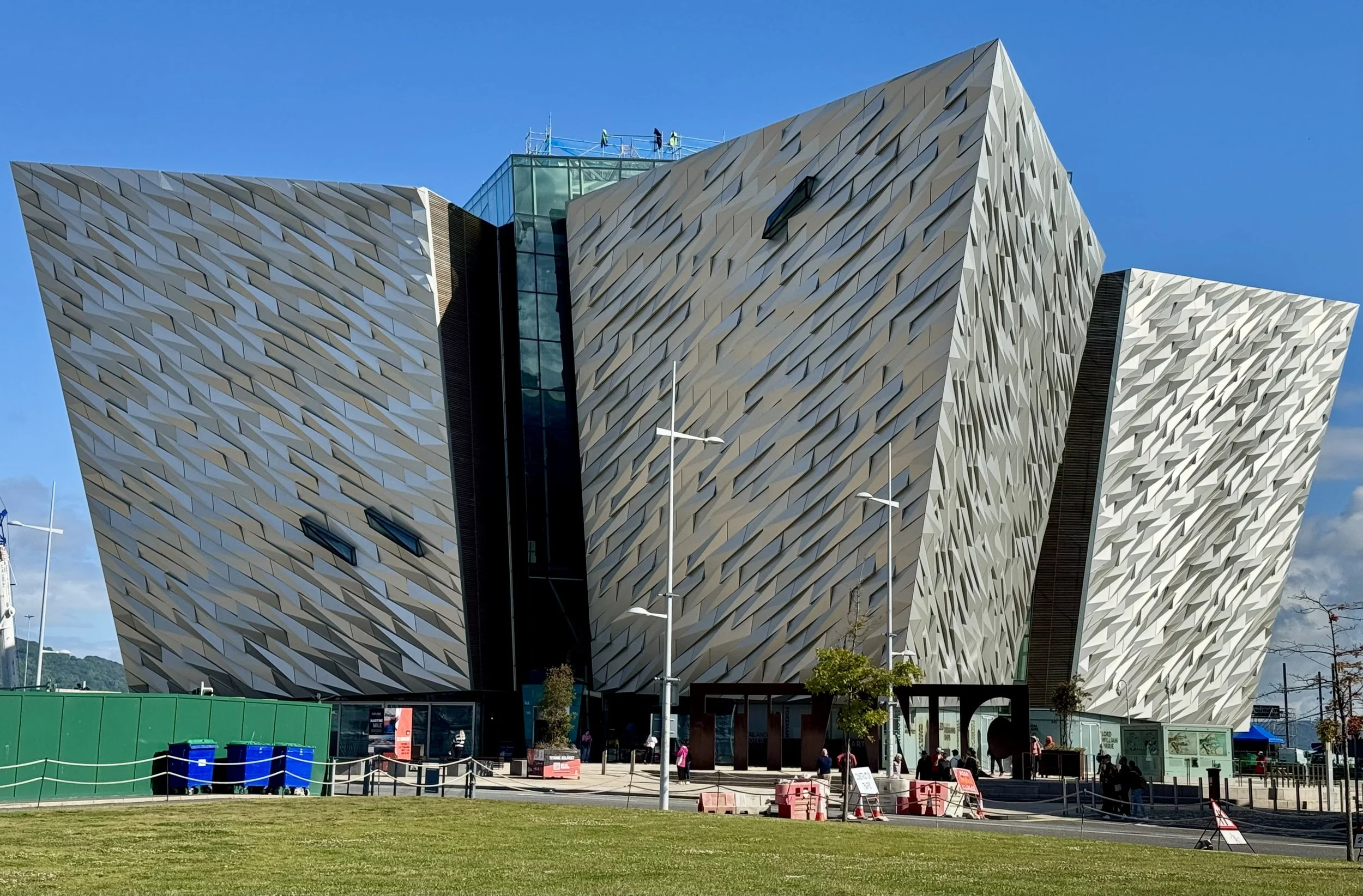
Titanic Museum Belfast
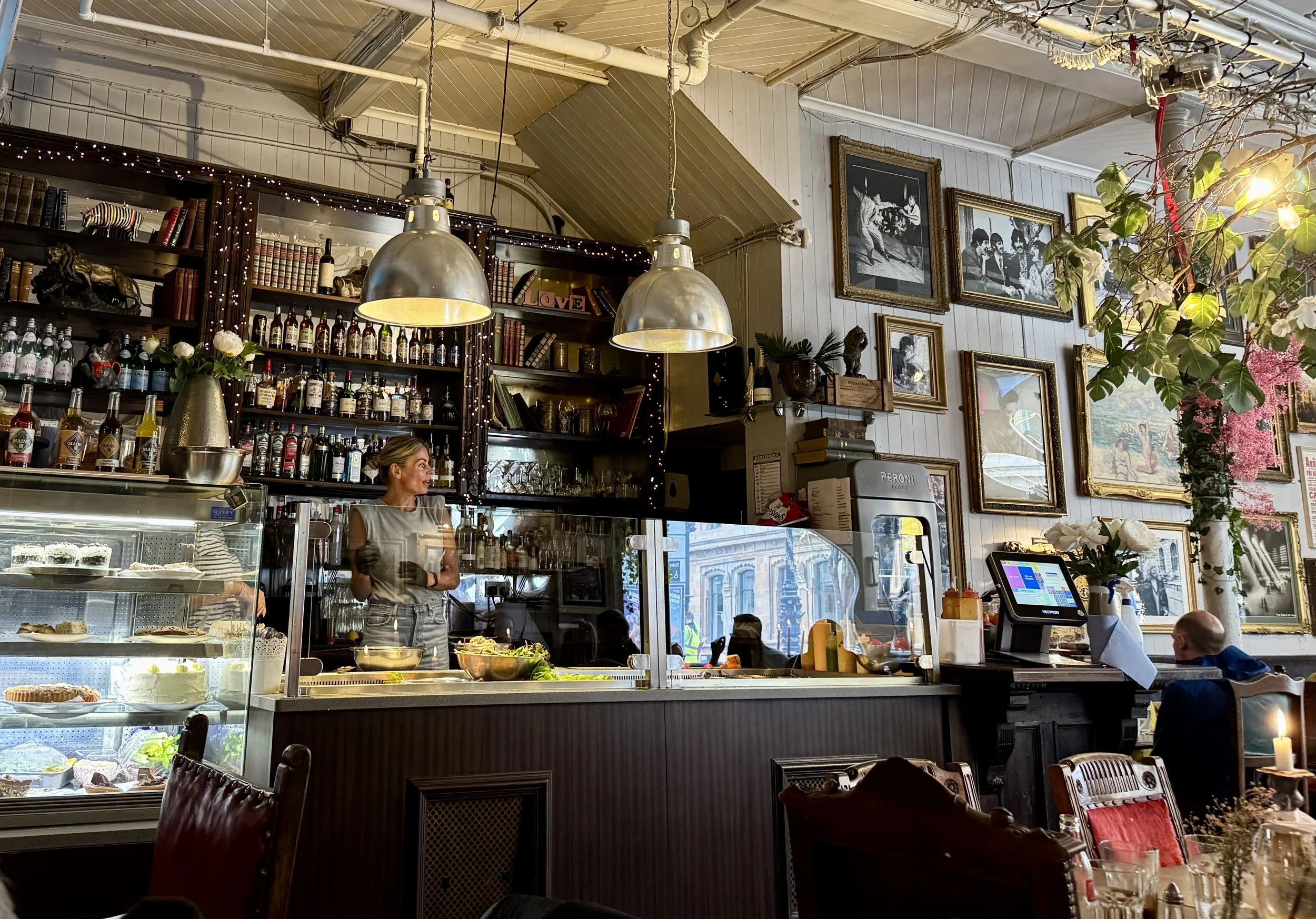
Belfast restaurant
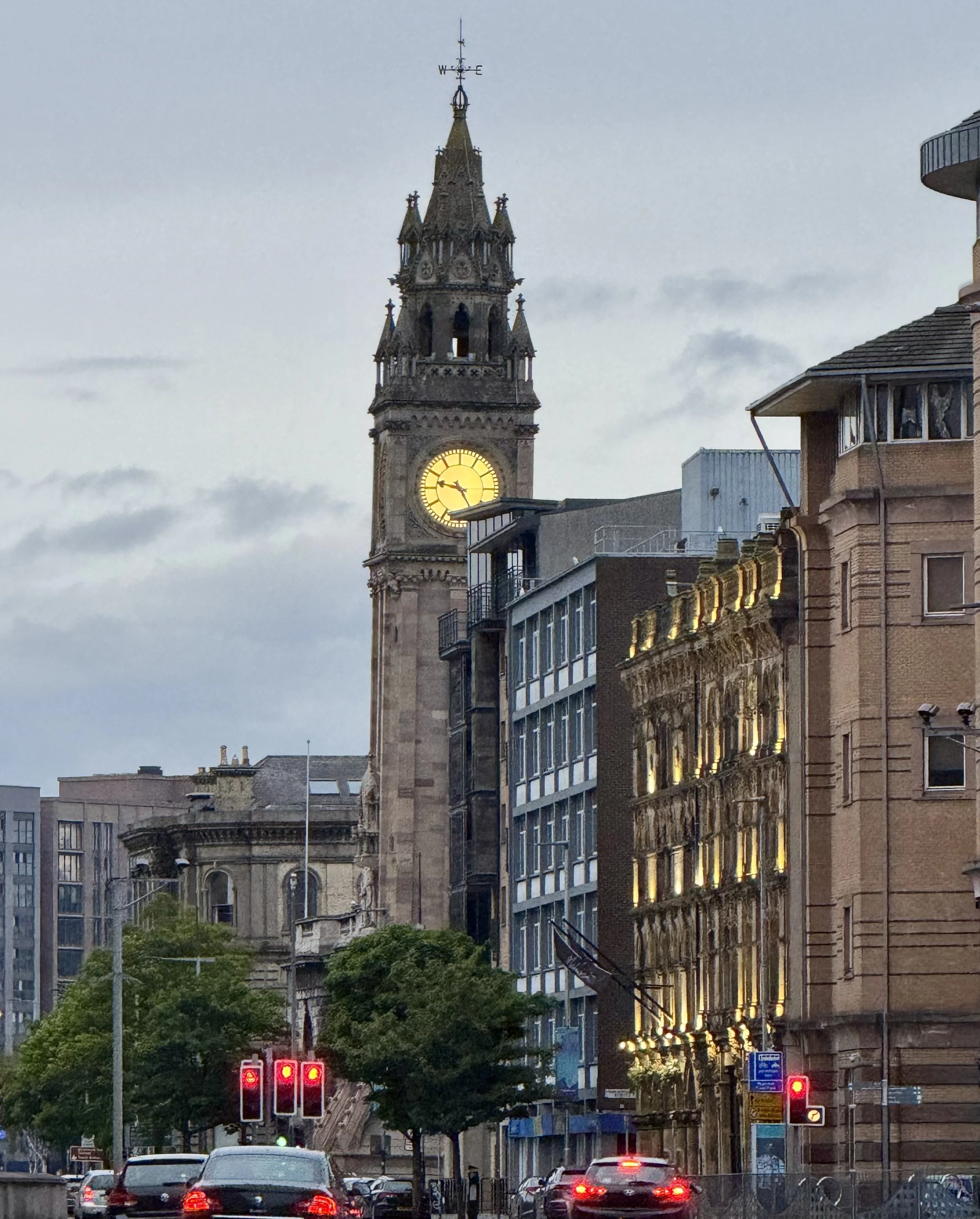
Belfast
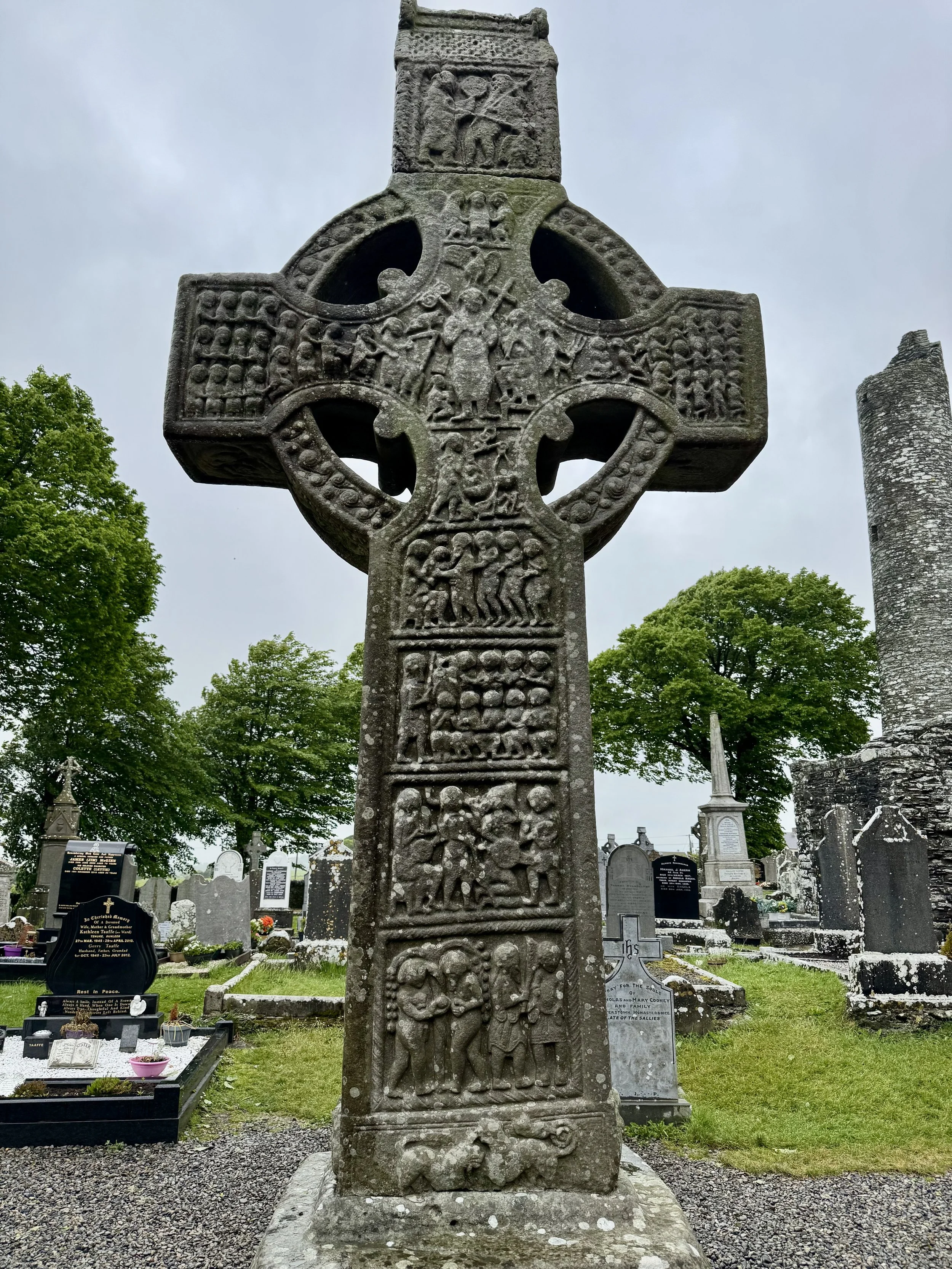
Monasterboice High Crosses in County Louth, Ireland.
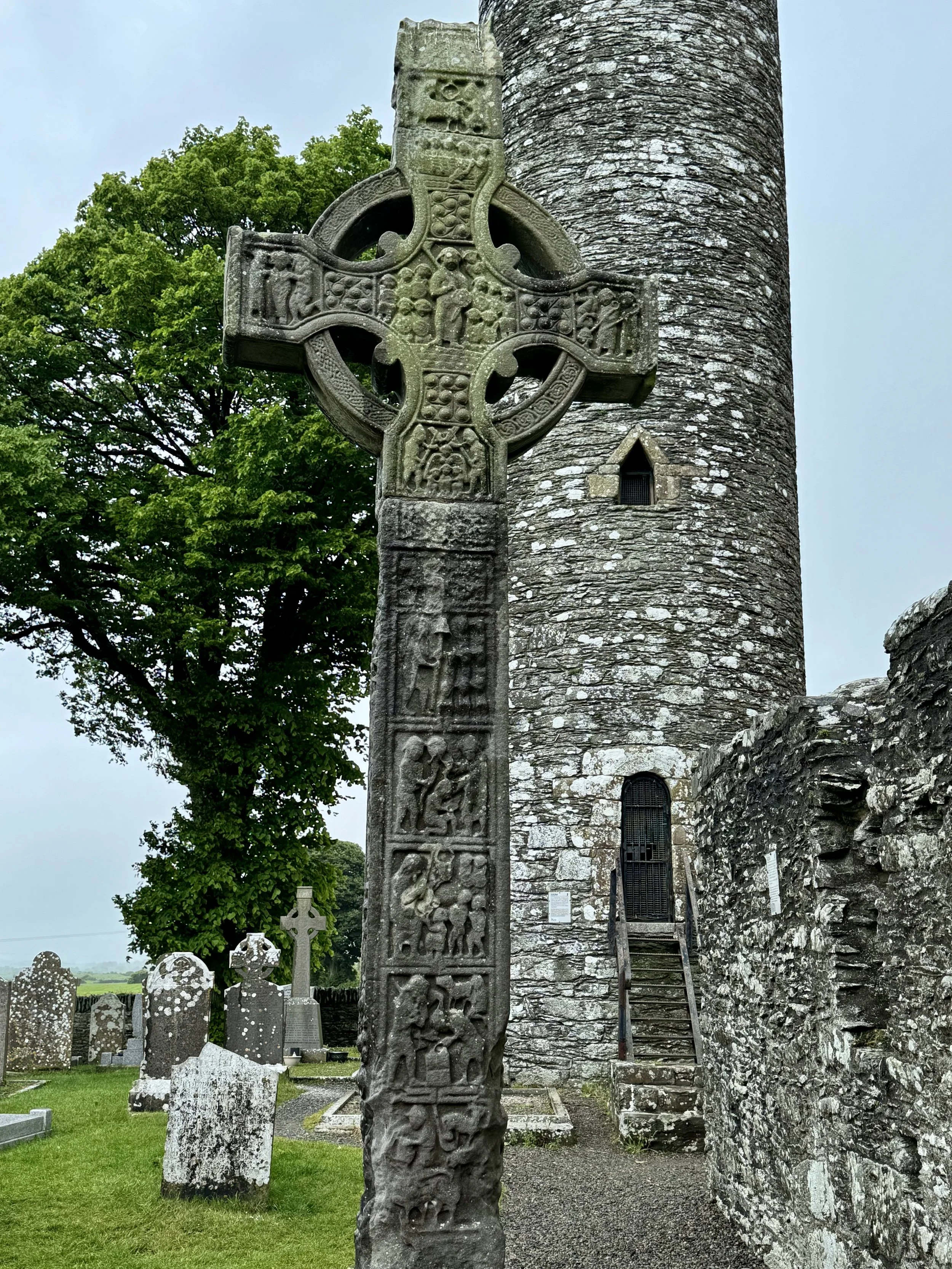
Monasterboice High Crosses
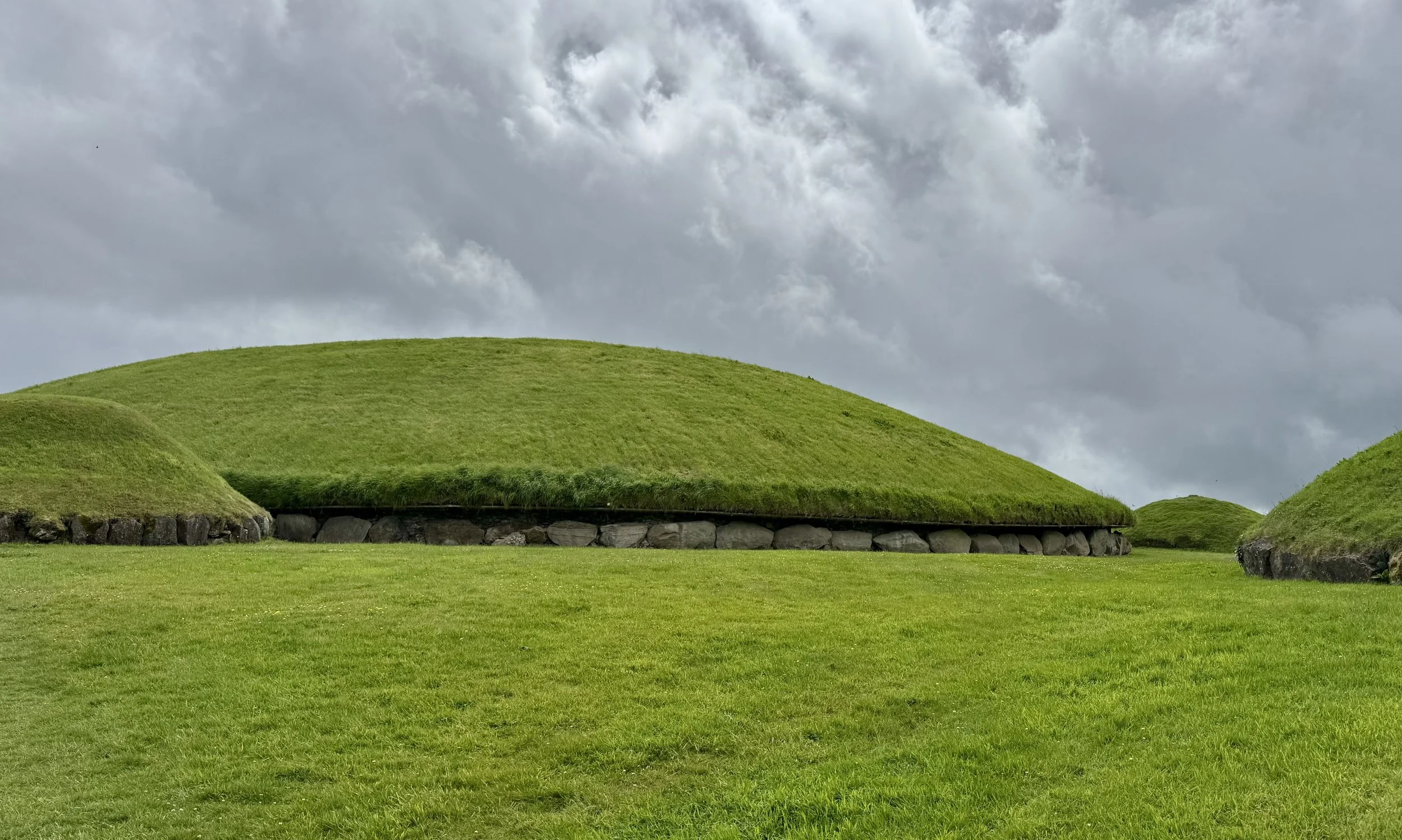
Brú na Bóinne - prehistoric passage tombs built circa 3200BC
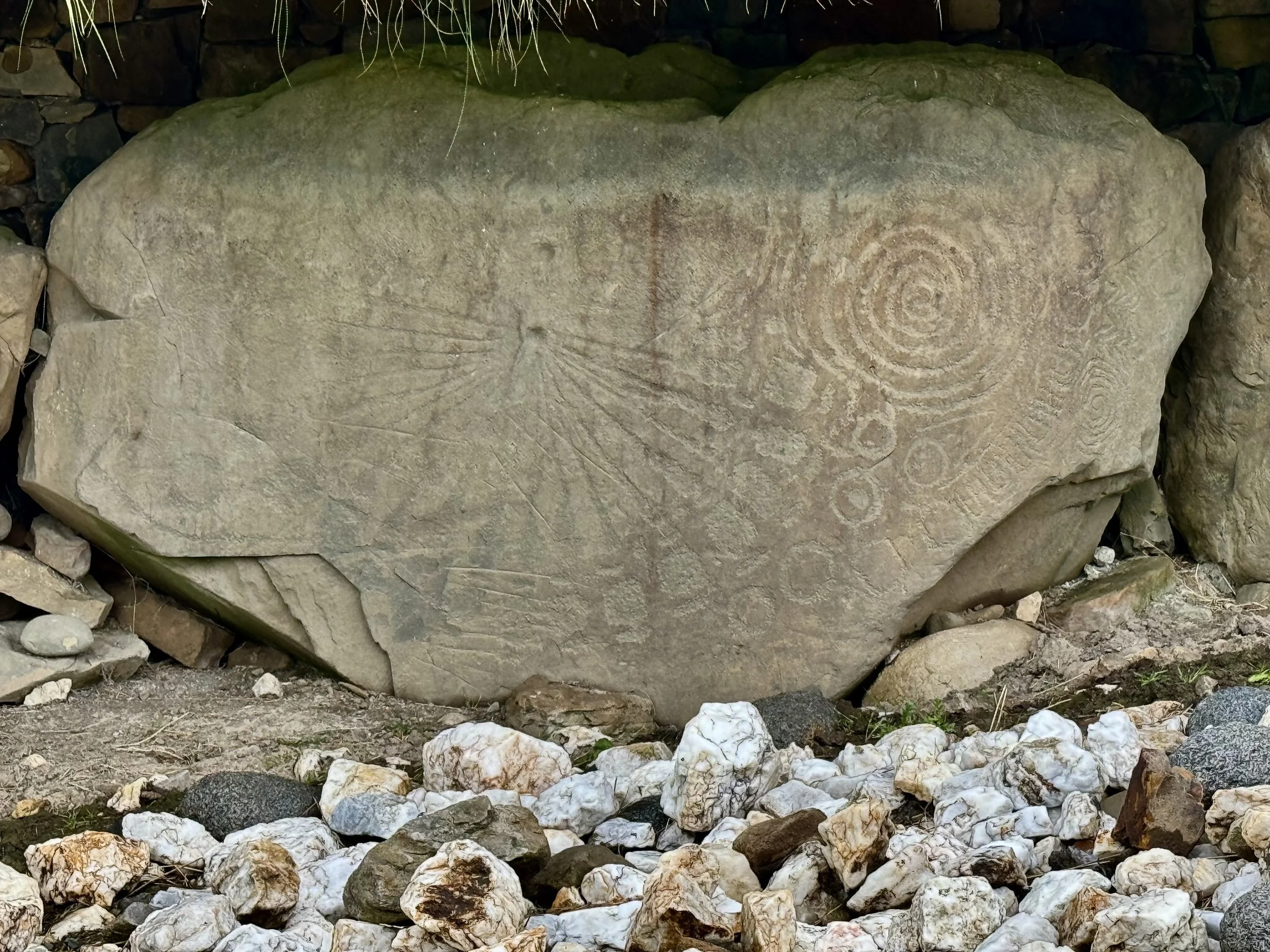
Brú na Bóinne